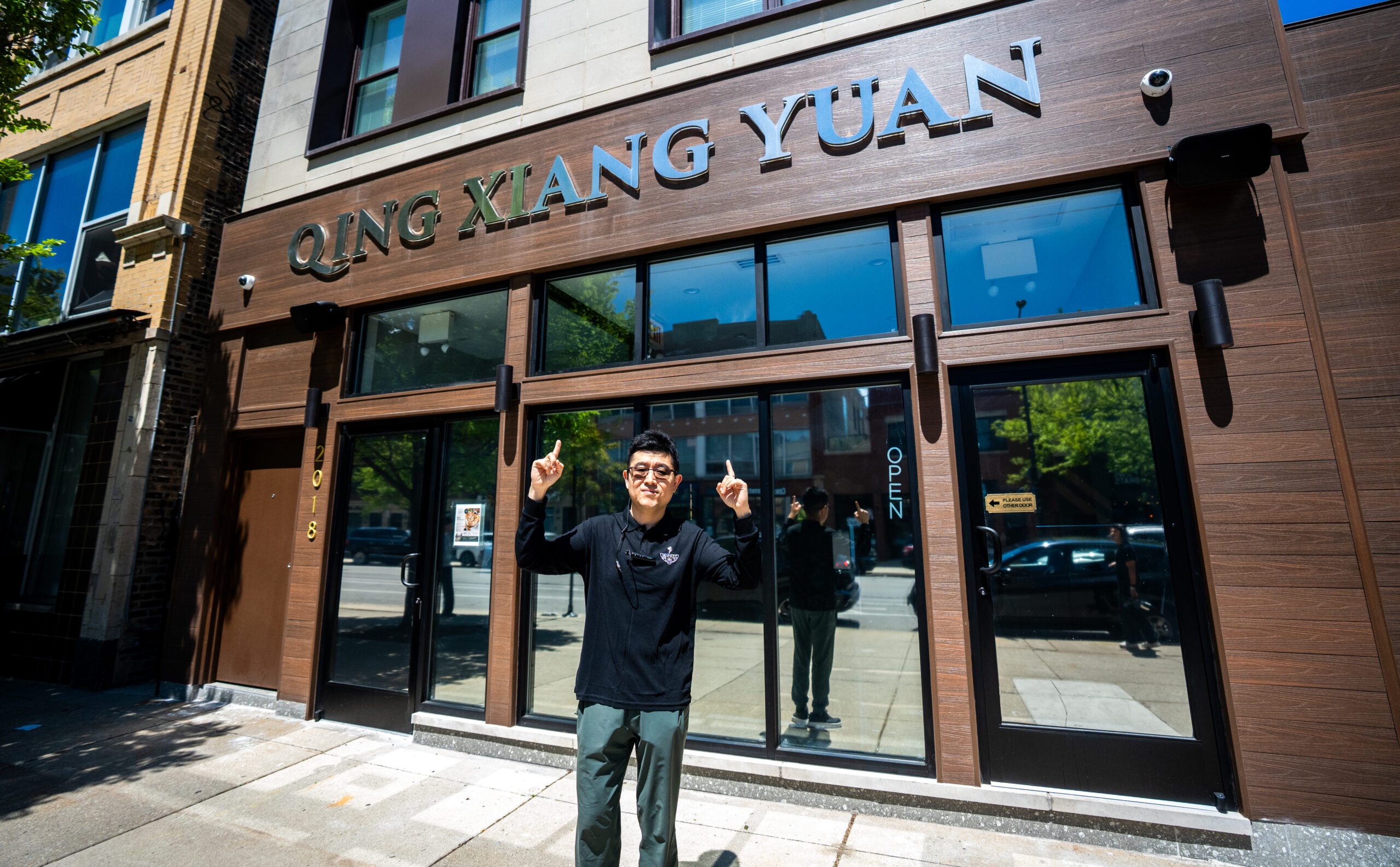
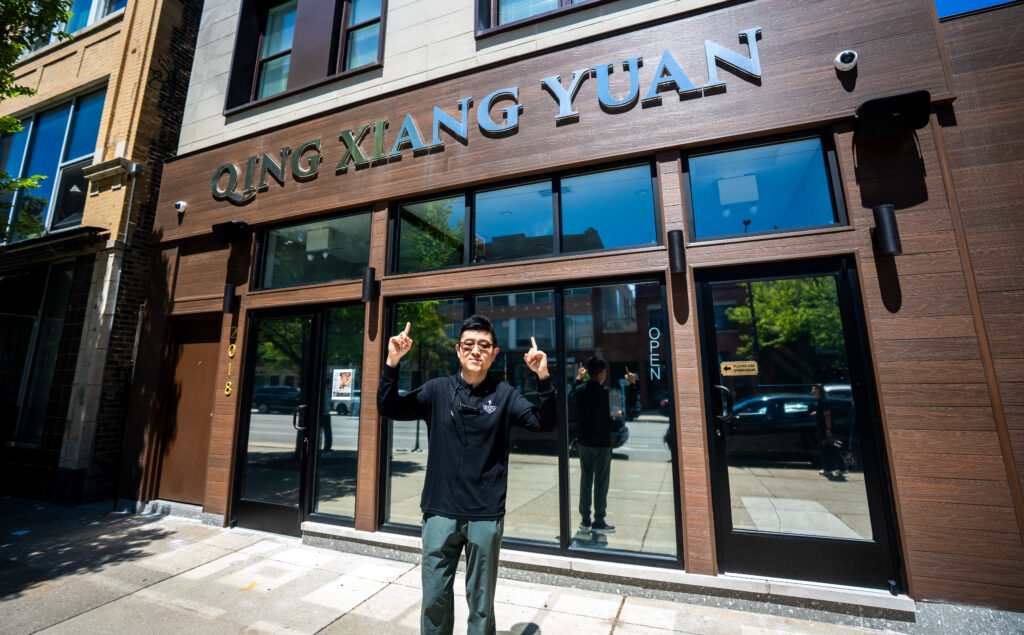
For Jesse Li, general manager of Qing Xiang Yuan Dumplings with locations in Chinatown and Wicker Park in Chicago, success isn’t measured by revenue reports or expansion plans. It is measured by something much simpler: seeing his customers smile.
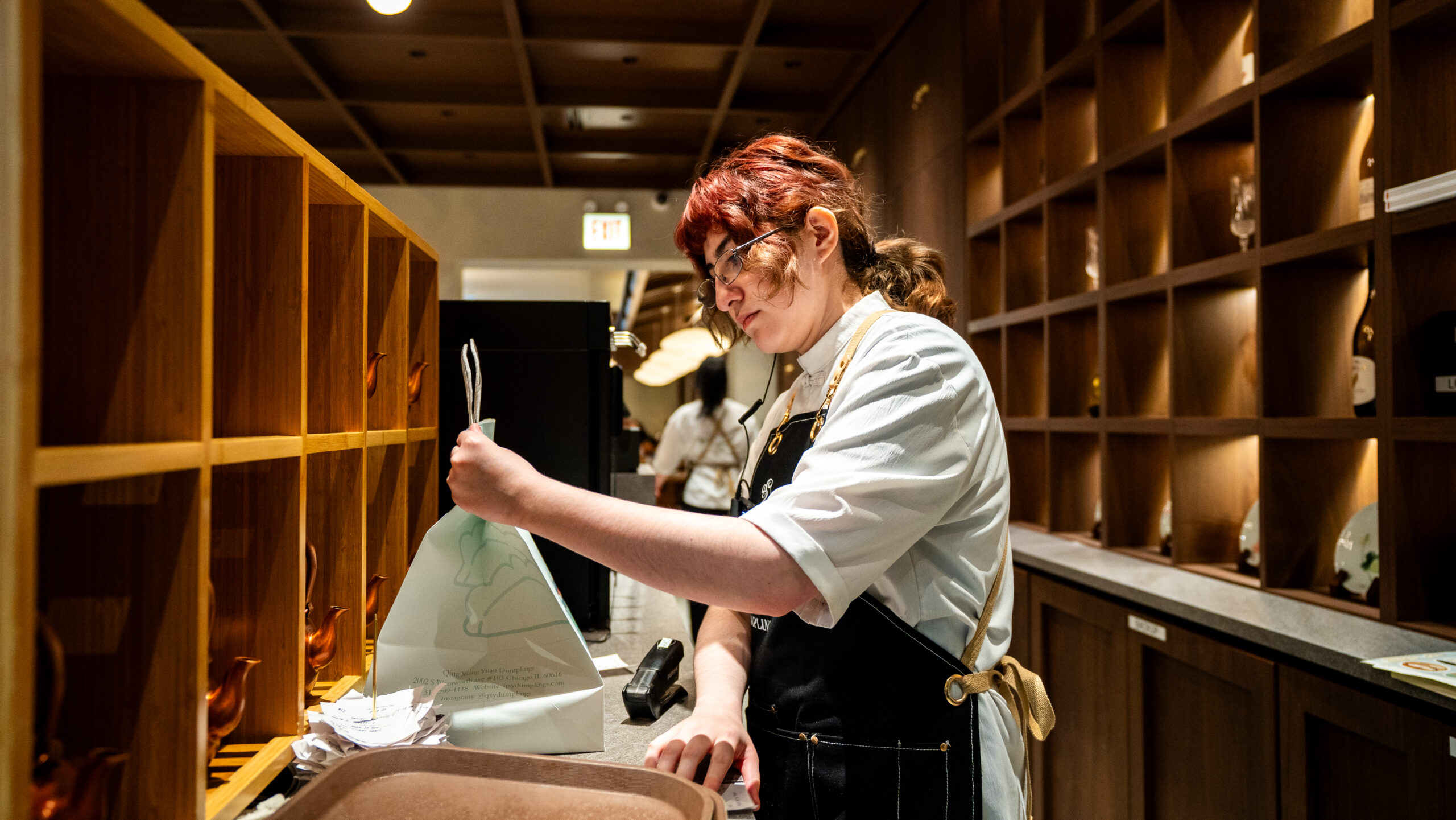
“I like retail. I like to work in the restaurant,” Jesse said. “I think hospitality is one of the few industries that can make people happy right away, can make your day right away. When I see a lot of people coming back, they share the food, they’re happy, they’re smiling. This makes my day.”
That philosophy has guided Qing Xiang Yuan Dumplings – or QXY Dumplings for short – from its early days. While many businesses focus on growth metrics, Jesse believes restaurant owners should start somewhere else entirely.
“For people out there, who want to get into the hospitality industry or start a new restaurant, my advice is never focus on the growth. Never focus on the revenue,” he said. “You need to focus on the people, your food, the quality, consistency and hospitality. Word of mouth and the money come to you.”
According to Jesse, too many operators worry about financial success before earning customer trust.
“The first thing you should do is the quality of the food, the cleaning of the dining room and how they serve the people,” he said with an earnest tone. “Certainly, our restaurants make money, but when we started, we were not focused on that. We were focusing on making people happy and giving them good food.”
That customer-first mindset helped shape Jesse’s own journey into hospitality.
After moving from Beijing to Chicago 15 years ago as a graduate student, Jesse envisioned a starkly different professional future.
“I was thinking I’m going to be a chemist, or chemistry engineer, or a teacher or professor,” he said. “But the hospitality industry changed my life.”
After graduating from the University of Illinois – Chicago, Jesse said he noticed something missing in the Windy City dining scene.
“I’d been seeing (that) there’s no authentic Chinese dumpling place in Chicago. There’s (an) opportunity. I found some funders, and then we opened the first QXY in Chicago’s Chinatown.”
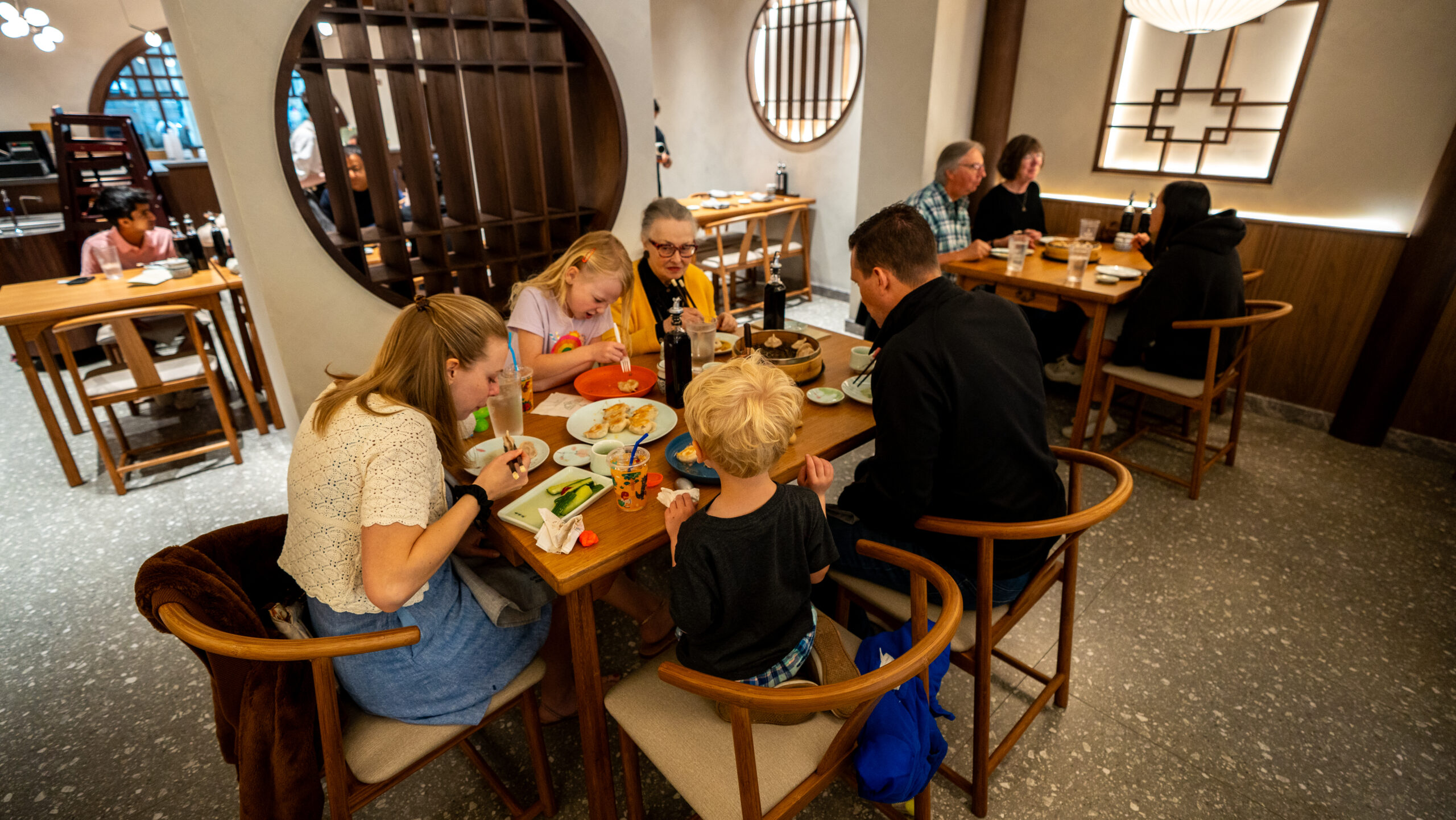
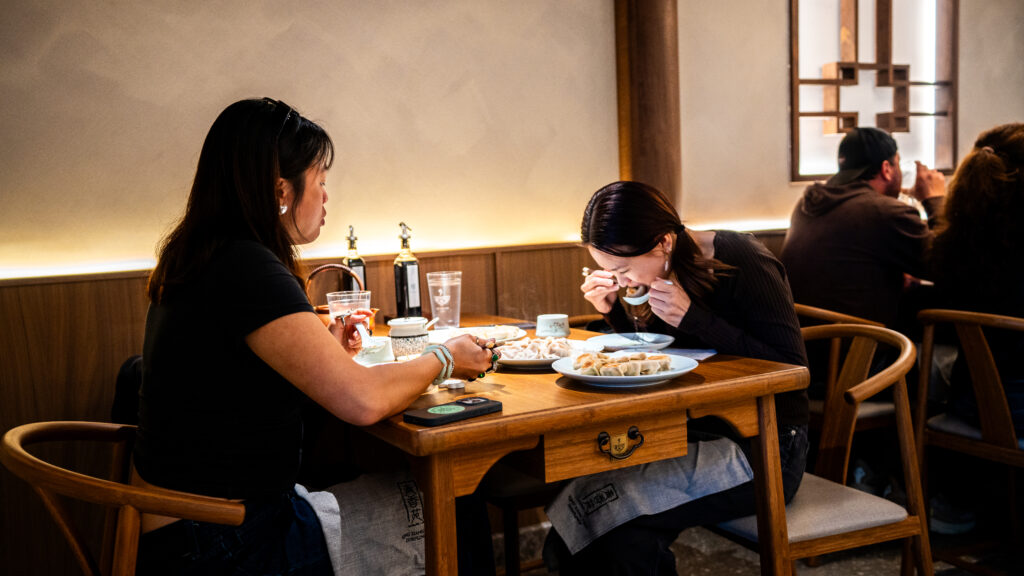
Today, QXY now has a second location in the Wicker Park neighborhood of Chicago, and like its first location, customers line up outside the restaurant before it opens for a dining experience rooted in authenticity.
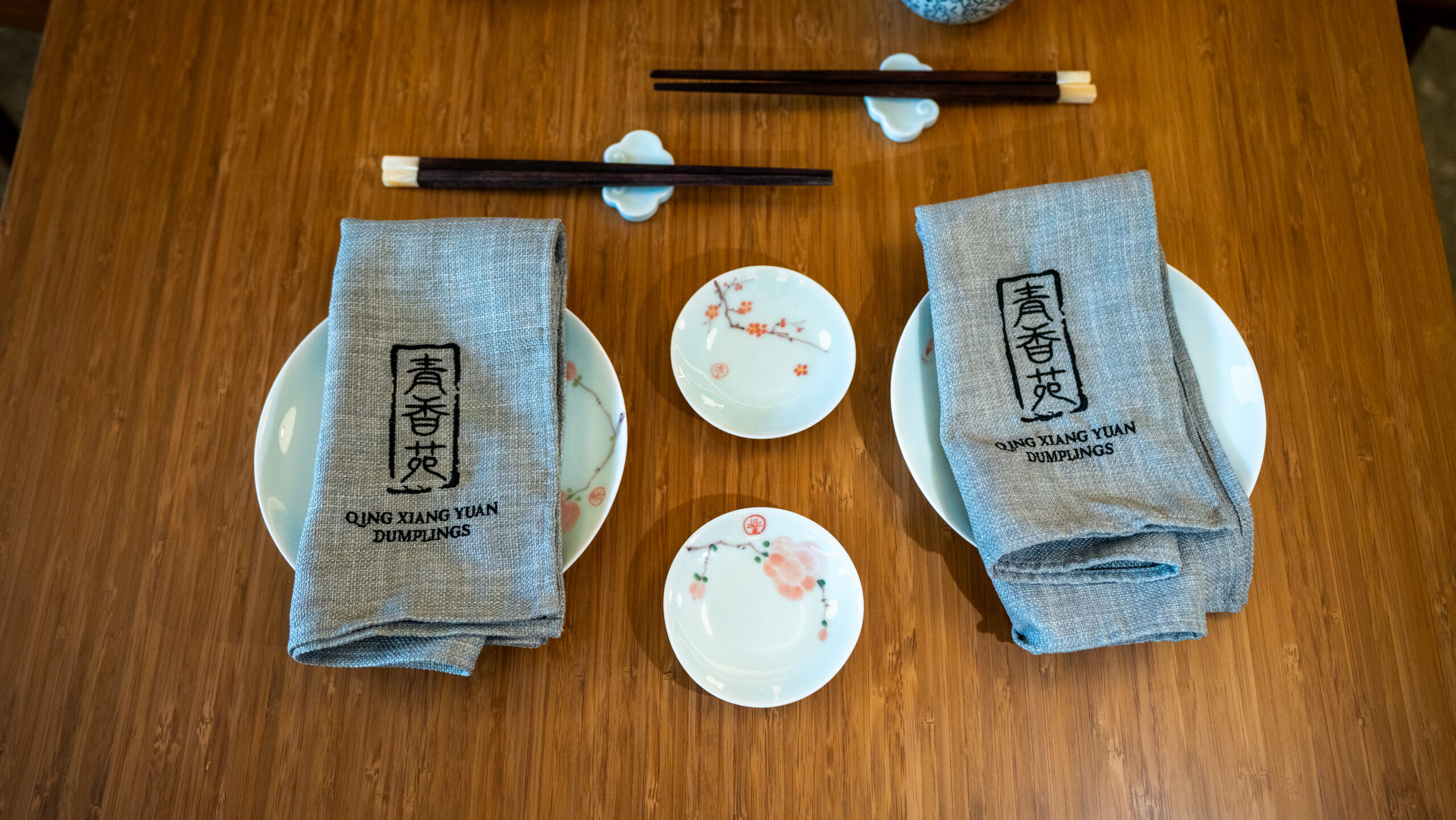
“Our name in Chinese means ‘as good as a place in heaven,’” Jesse notes. “We think of our food as heavenly.”
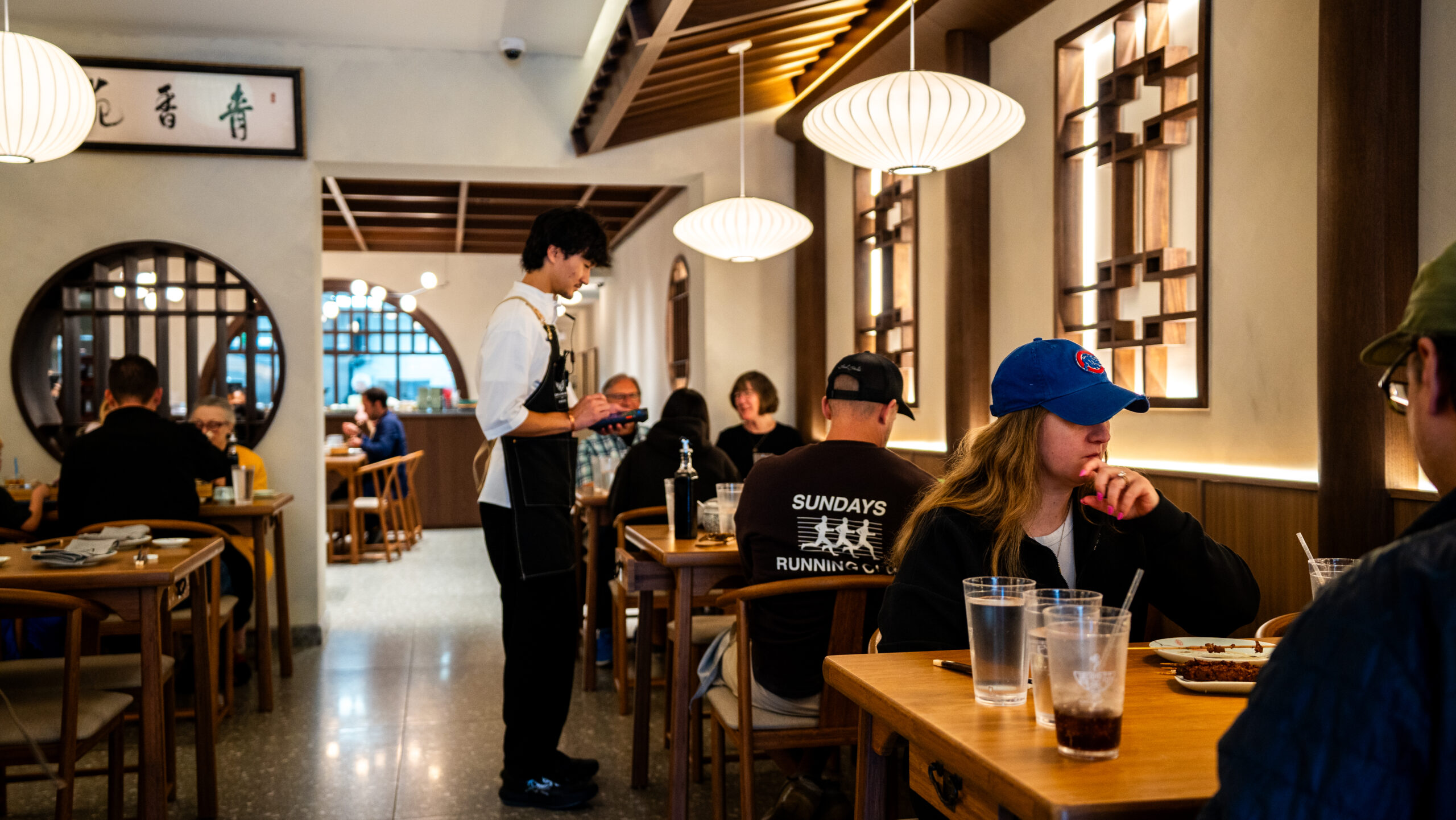
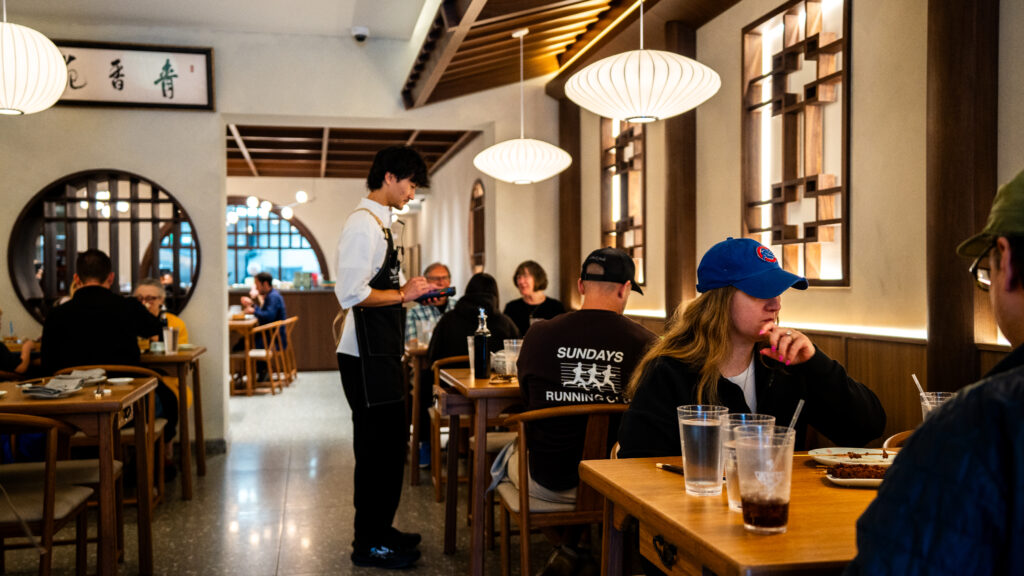
That commitment extends beyond the menu. Jesse stressed that the restaurants were designed to transport guests to China.
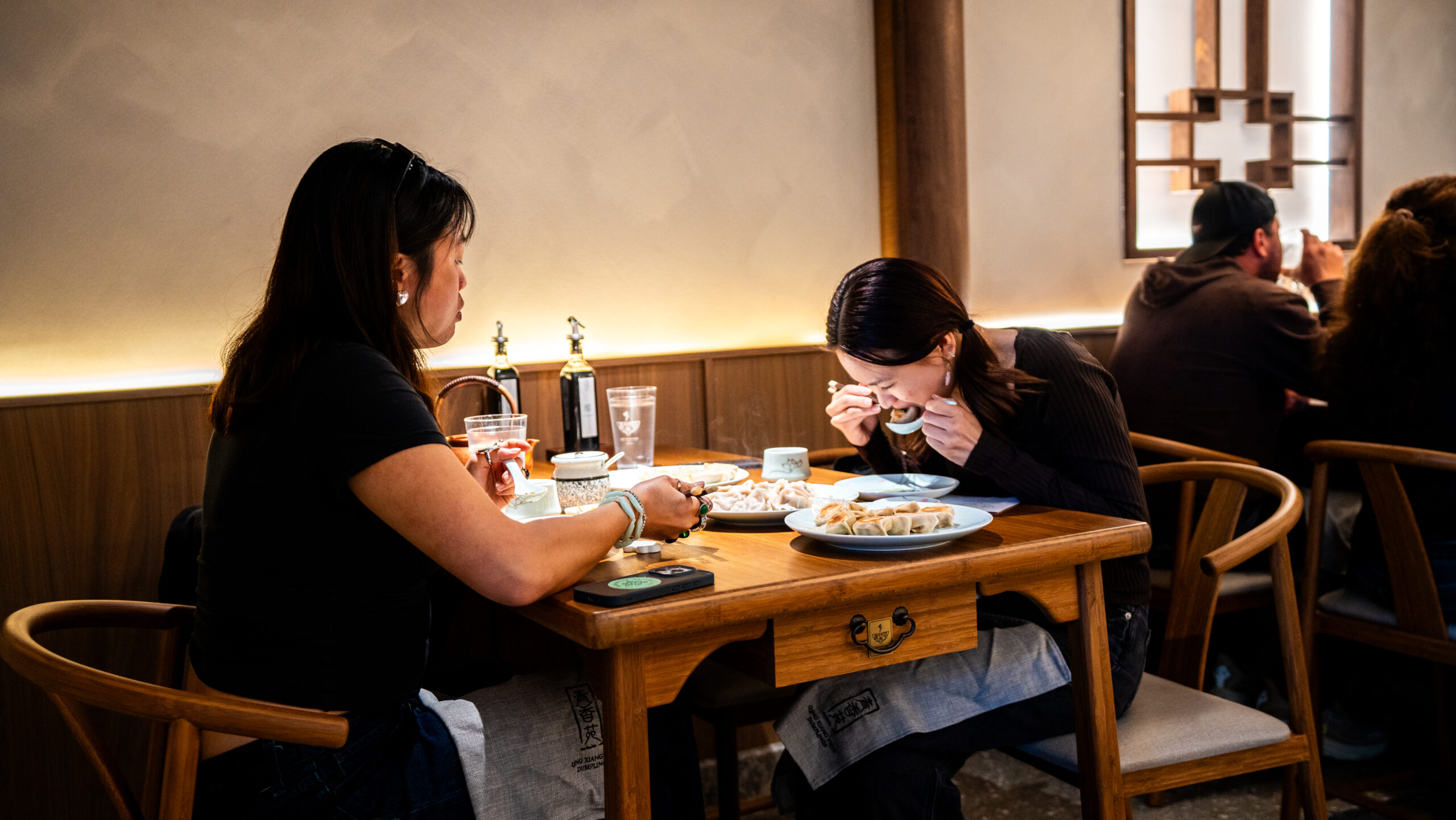
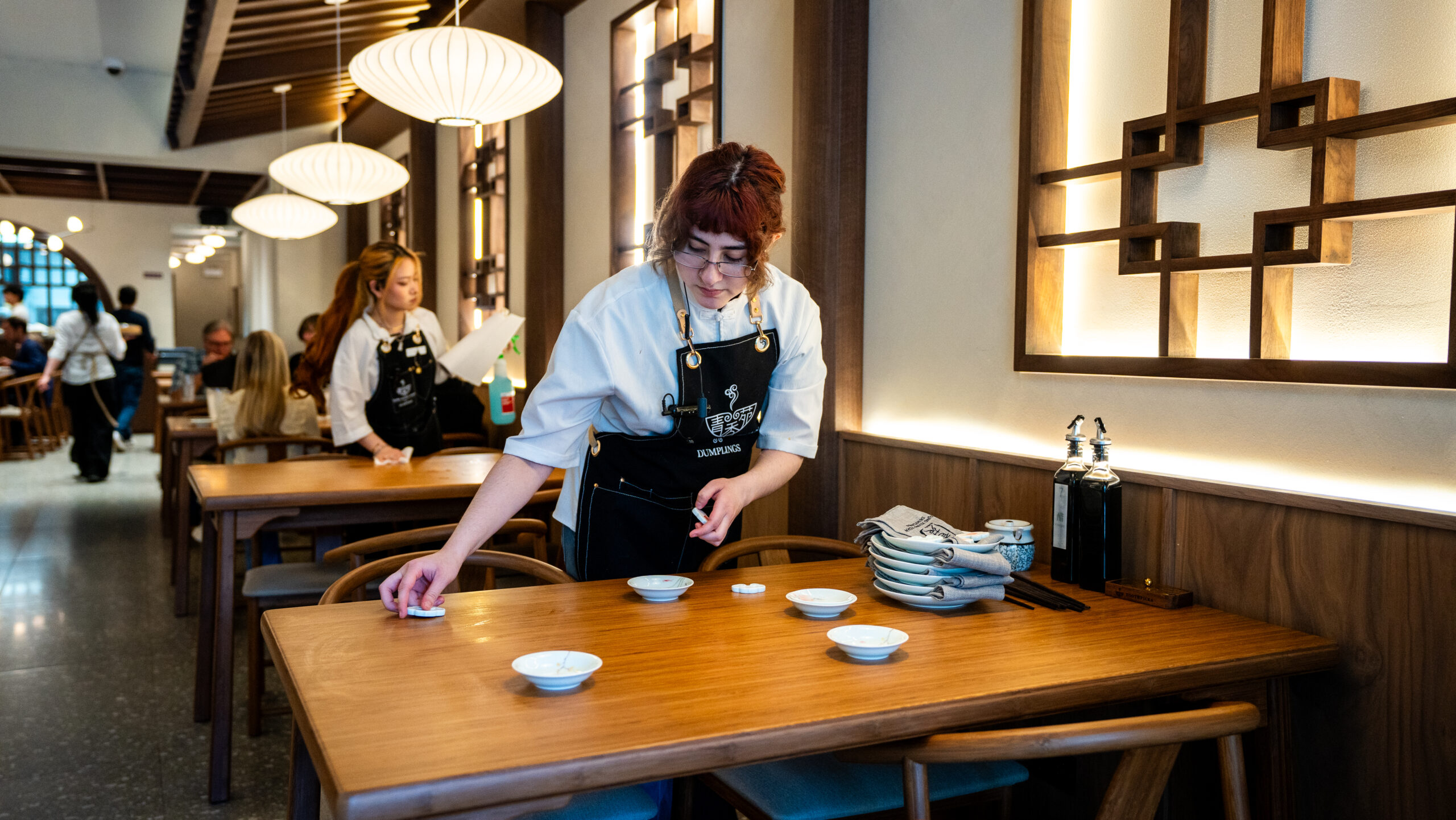
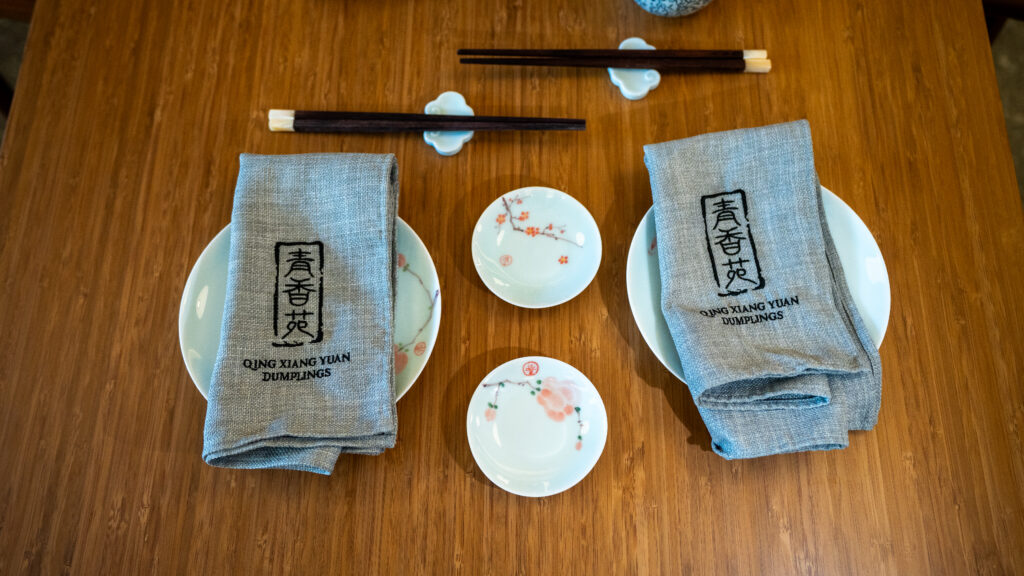
“The decor is based on the old Chinese yard,” he explained. “We have a designer from China. They designed everything based on the old-school Chinese royal family yard. We want the customer, when they come into the dining room, to feel like they’re going to China. They are in China. This is the goal.”
For many guests, he added, the restaurant provides a rare opportunity to experience authentic Chinese culture.
“This is the closest some of the customers get to China. So, we want this experience to be authentic.”
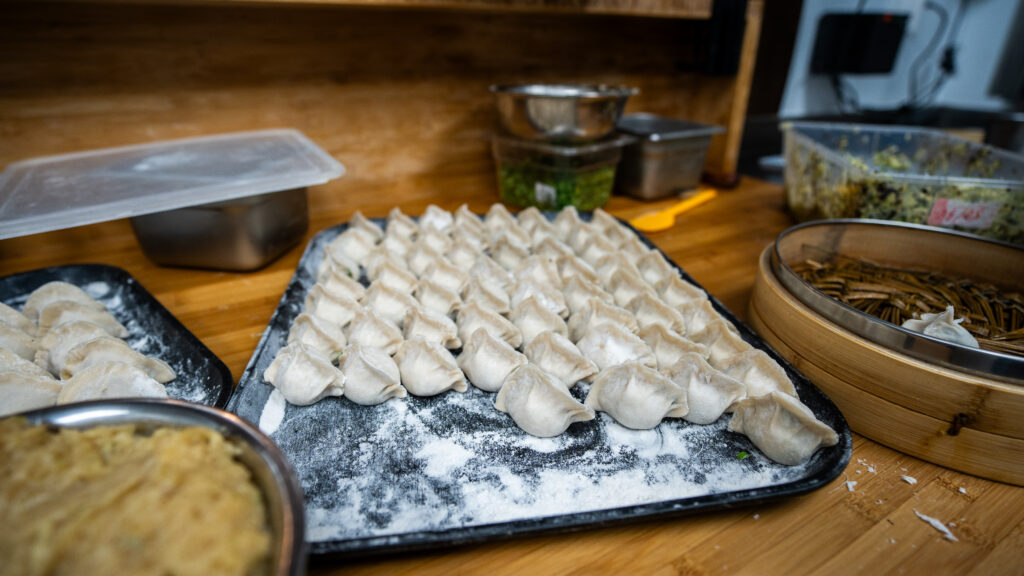
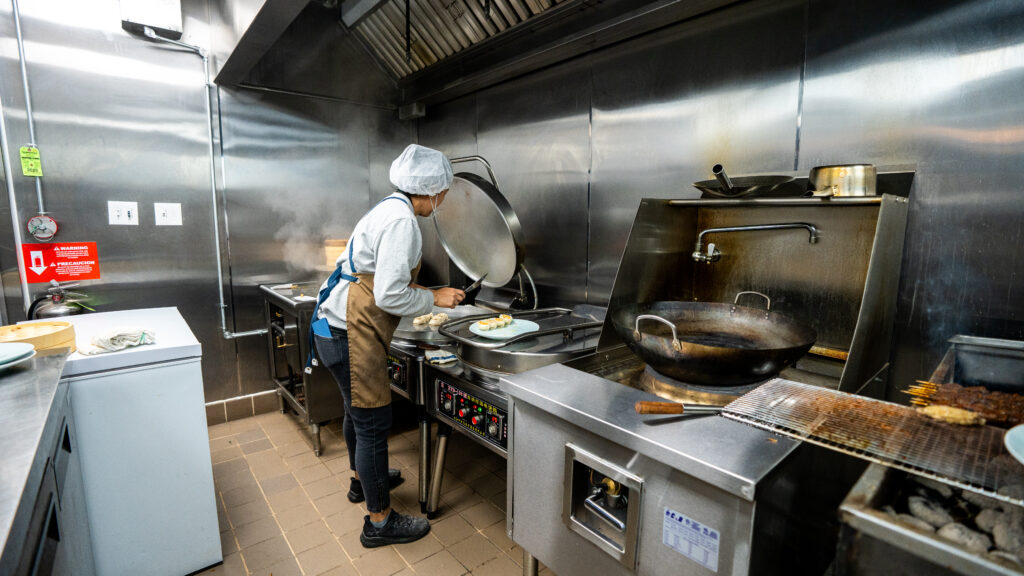
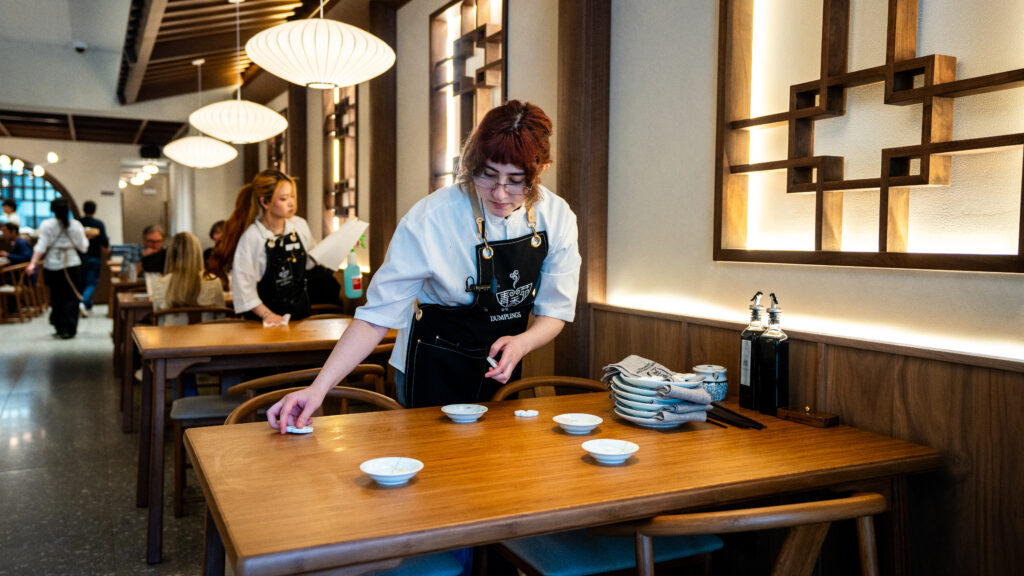
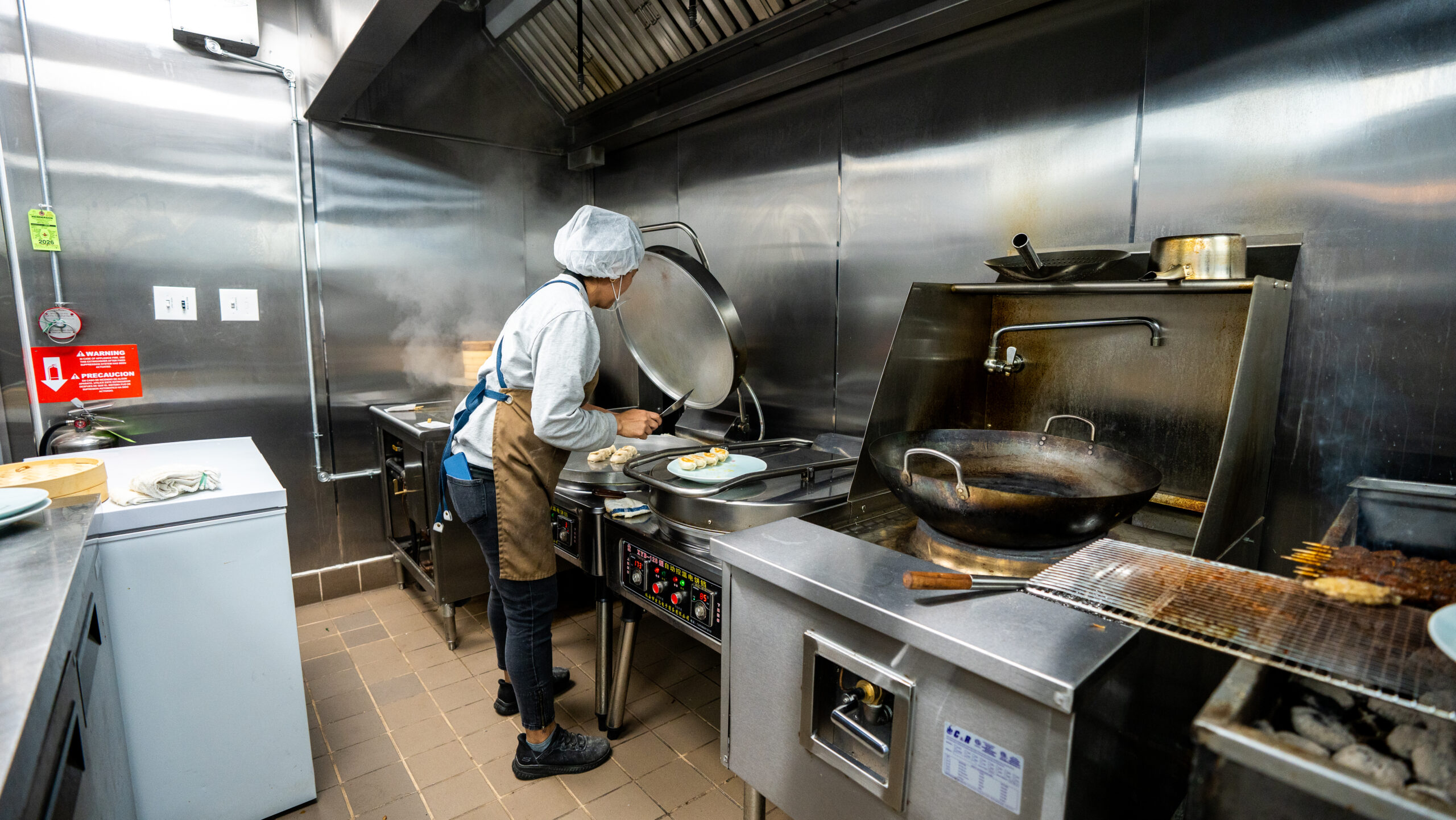
The authenticity continues in the food itself. QXY focuses almost exclusively on dumplings. Do not expect bao buns or hot and sour soup at QXY.
“You come over here, you can only order dumplings, some skewers and some salad. That’s about it. We don’t do beef broccoli. Orange chicken over here.”
And so, at QXY, diners get to experience a style of dumpling that many Americans have never tasted.
“Everybody knows the soup dumpling, the round-shaped twist on the top. That’s a southern-style soup dumpling,” Li said. “It’s worldwide known. It’s called xiao long bao. But the northern-style soup dumpling – not a lot of people know it.”
He explained that northern Chinese dumplings have their own distinctive characteristics.
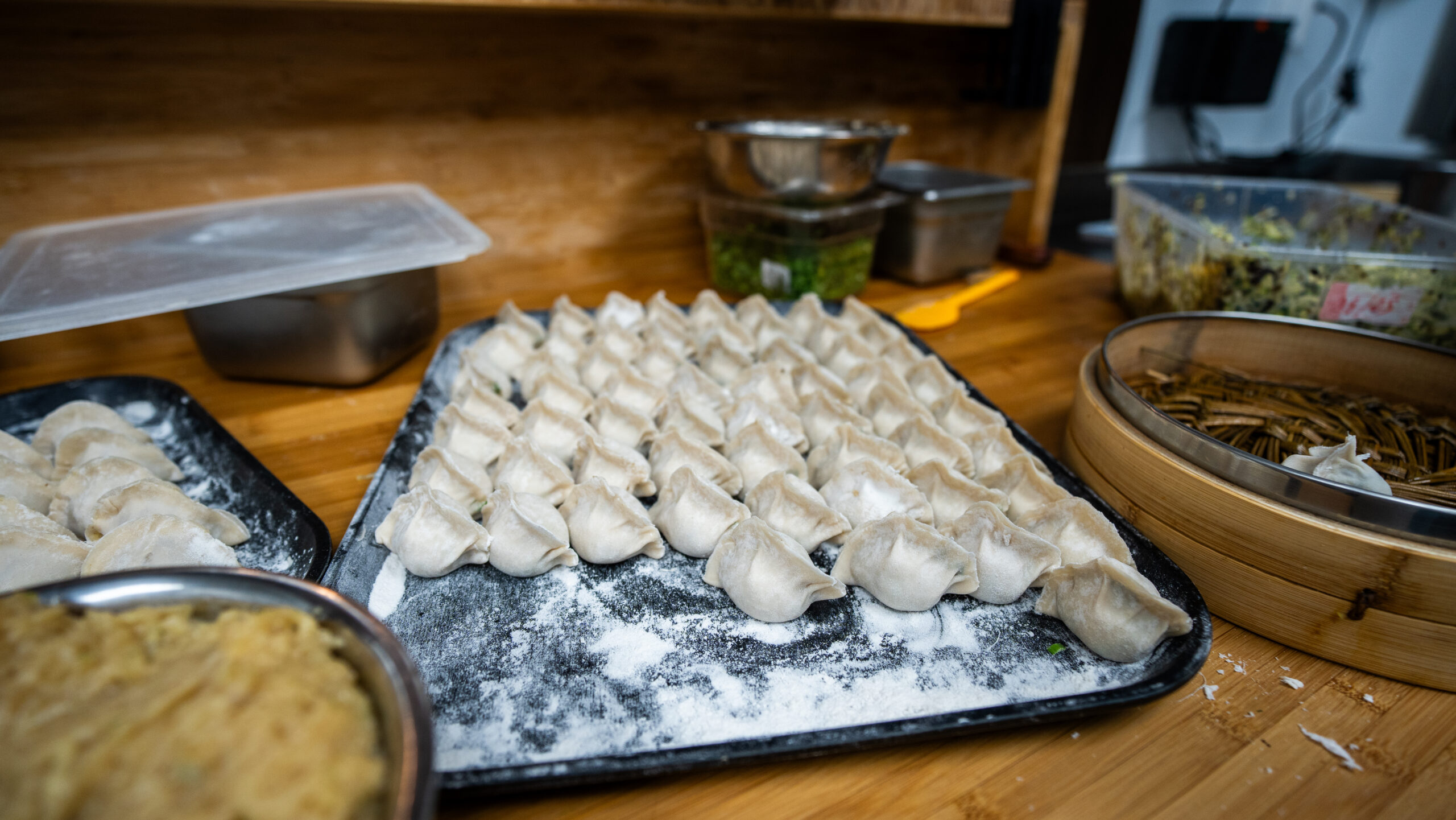
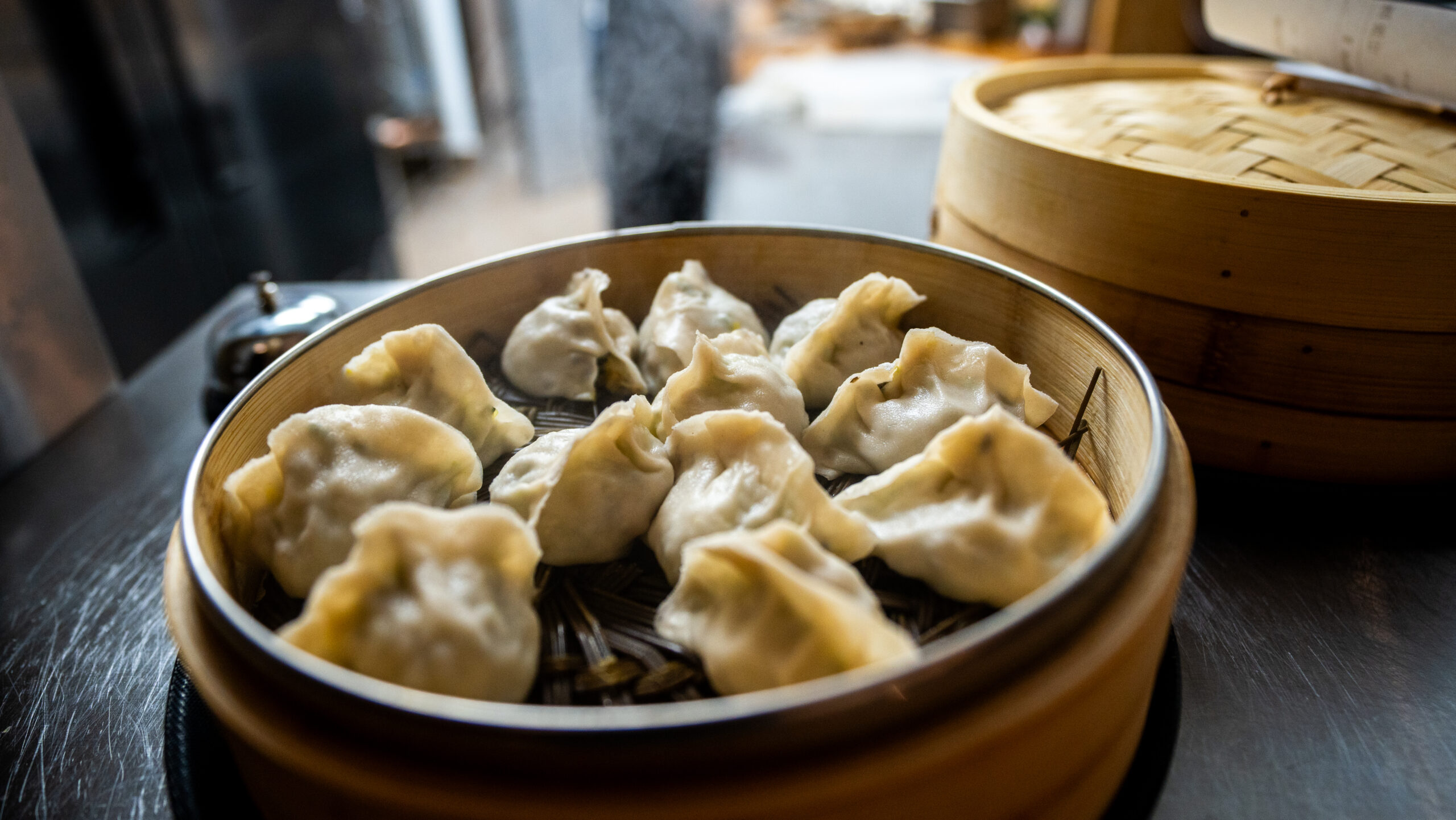
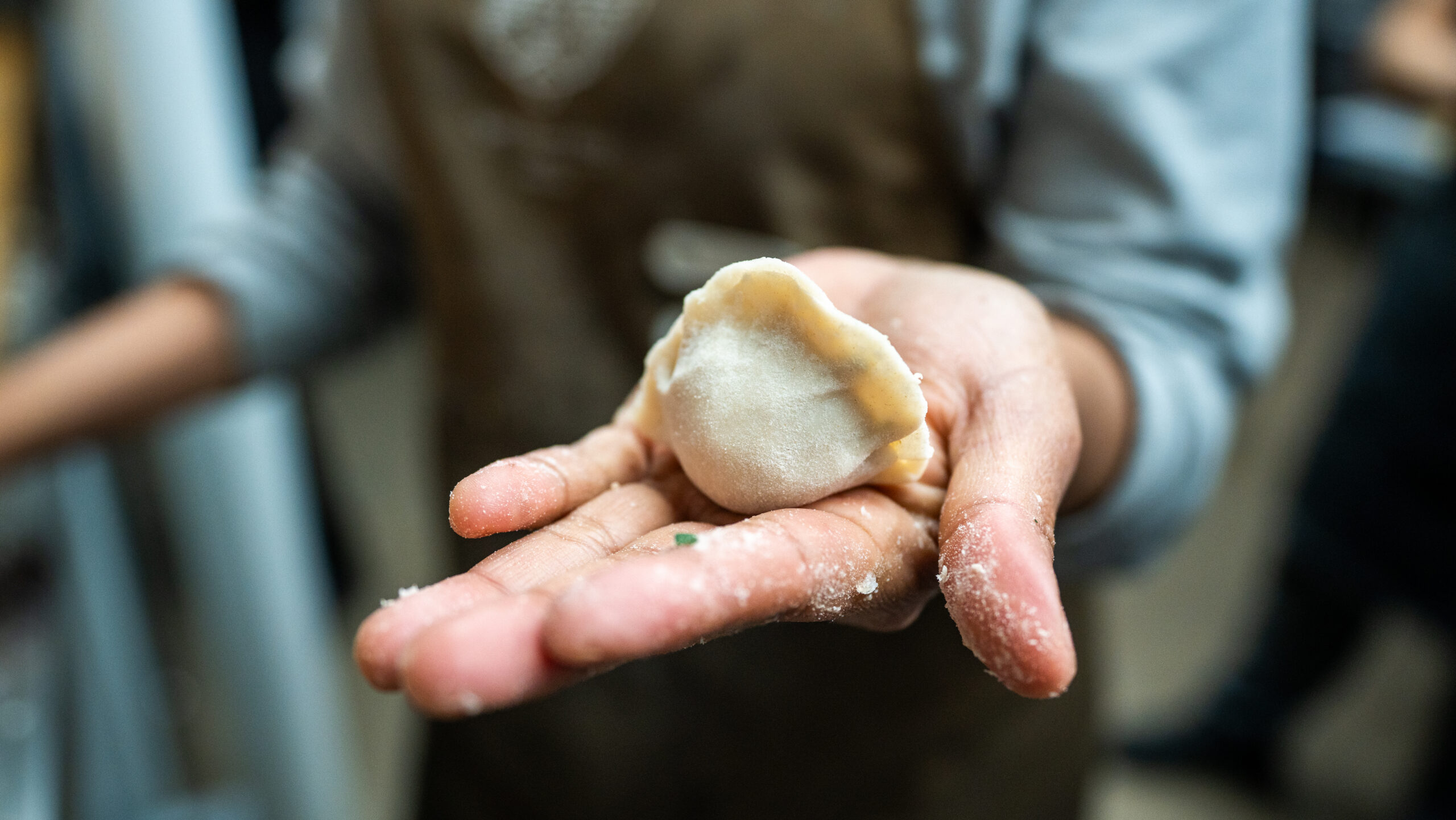
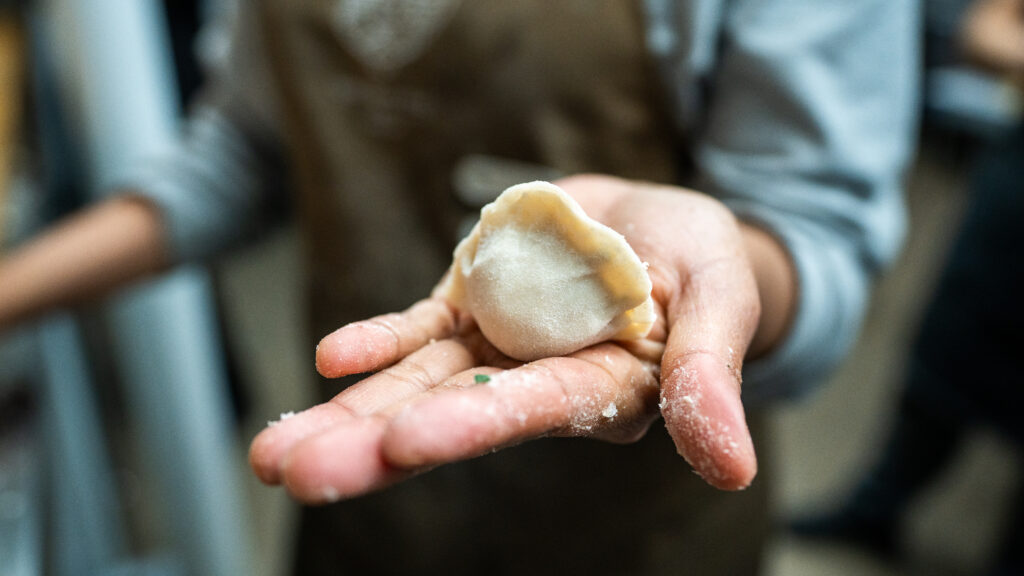
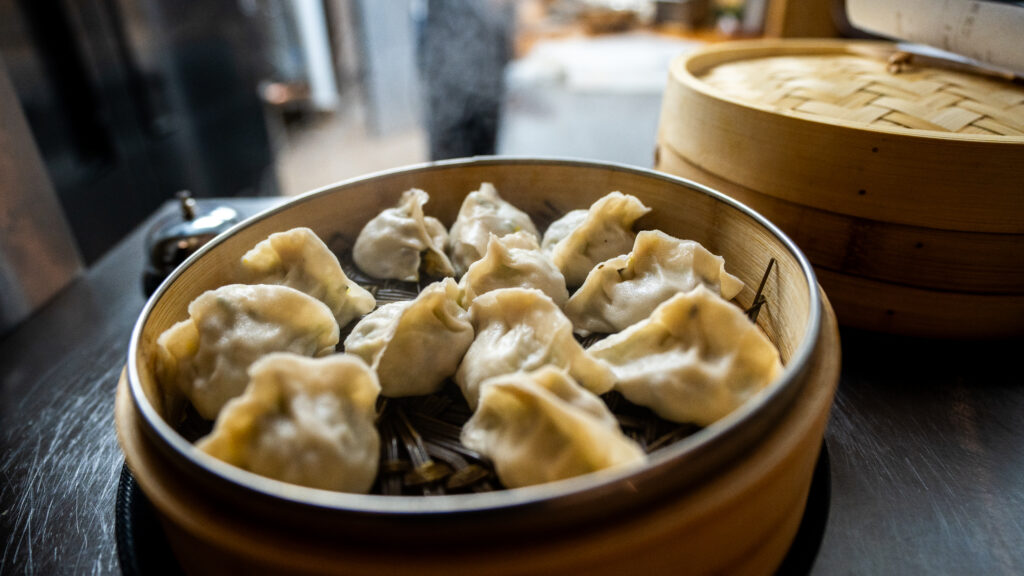
“The northern Chinese dumpling looks a little bit (like a) triangle, and taste-wise, it’s a little bit saltier than the southern style.”
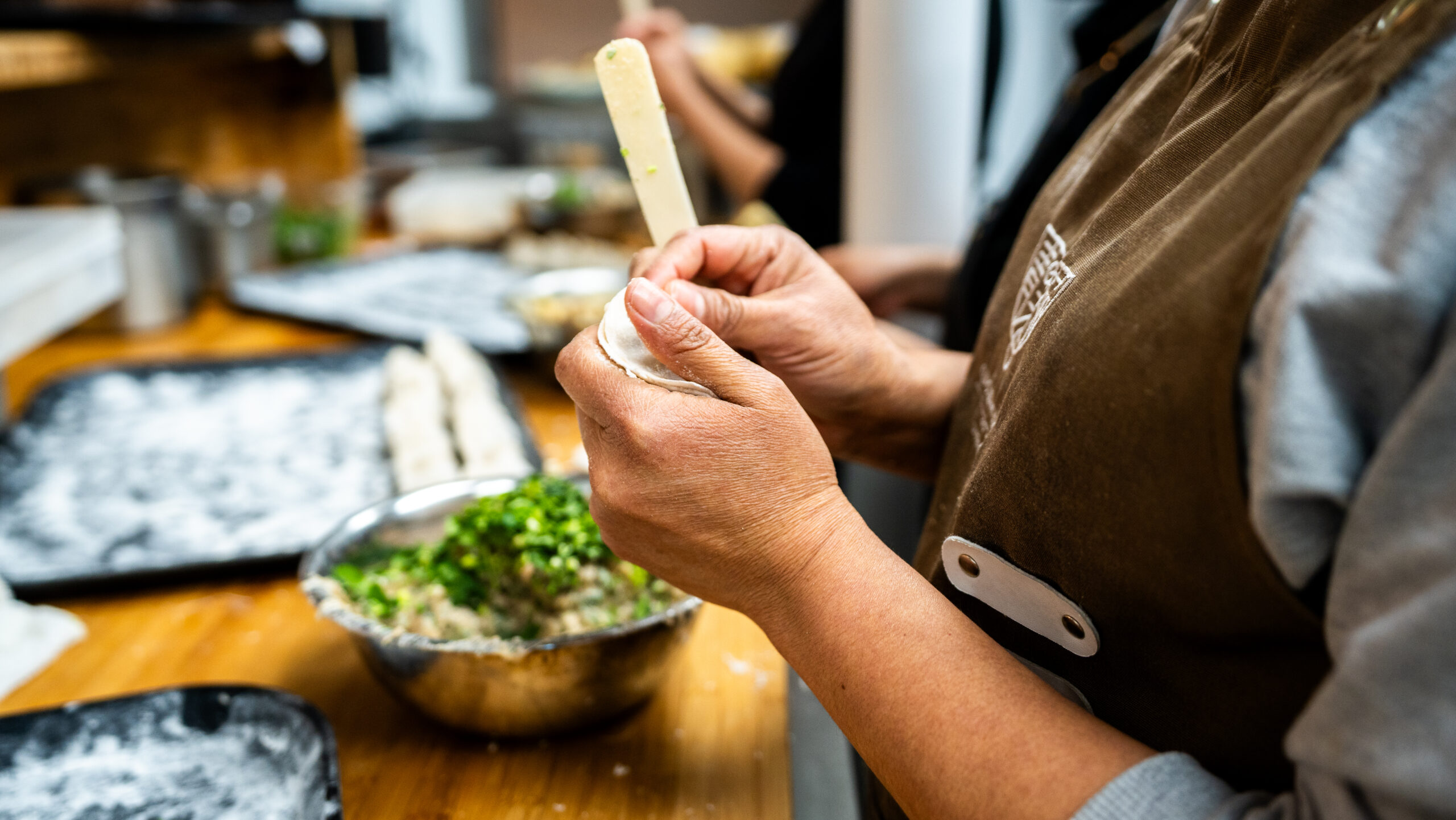
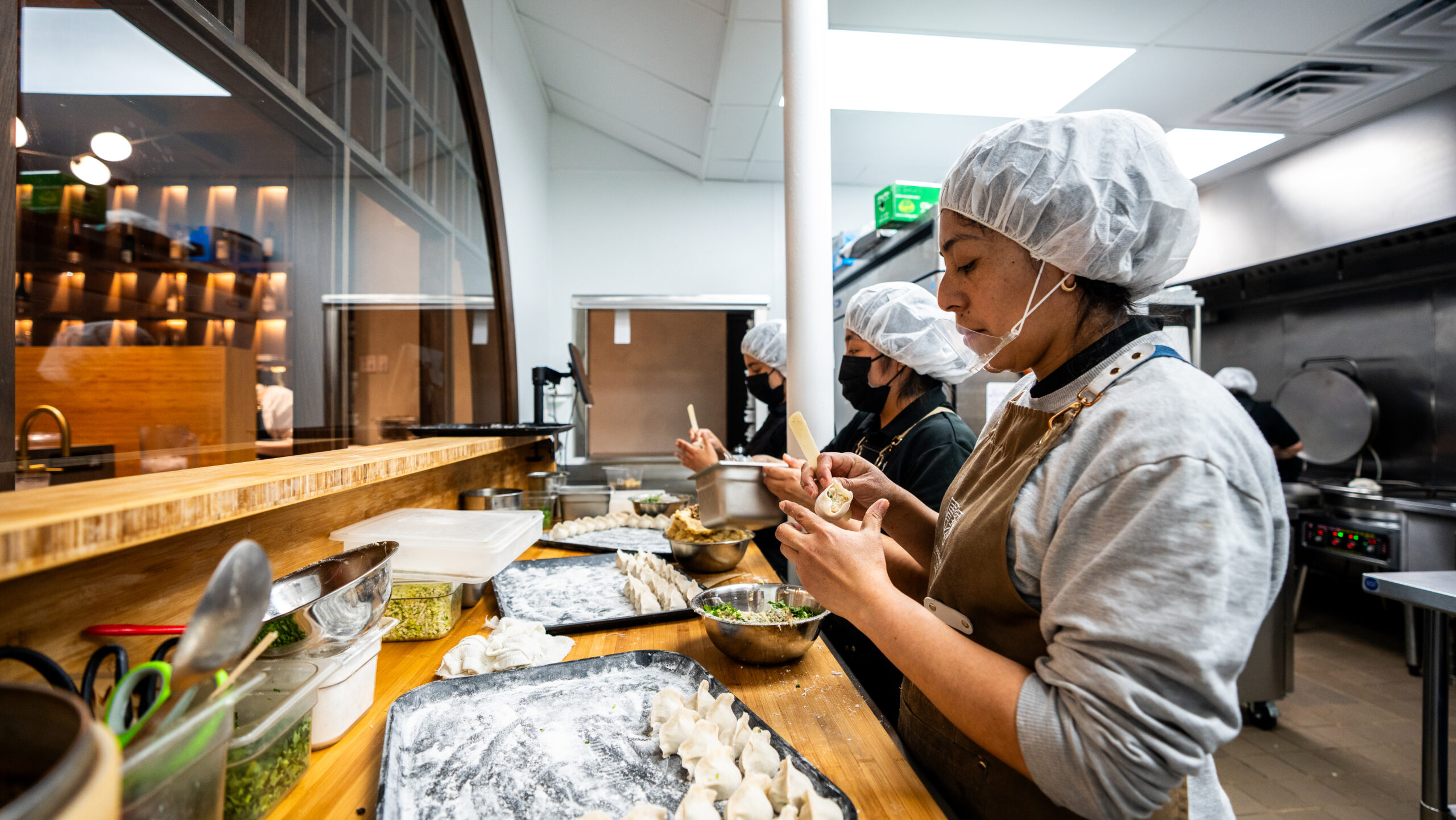
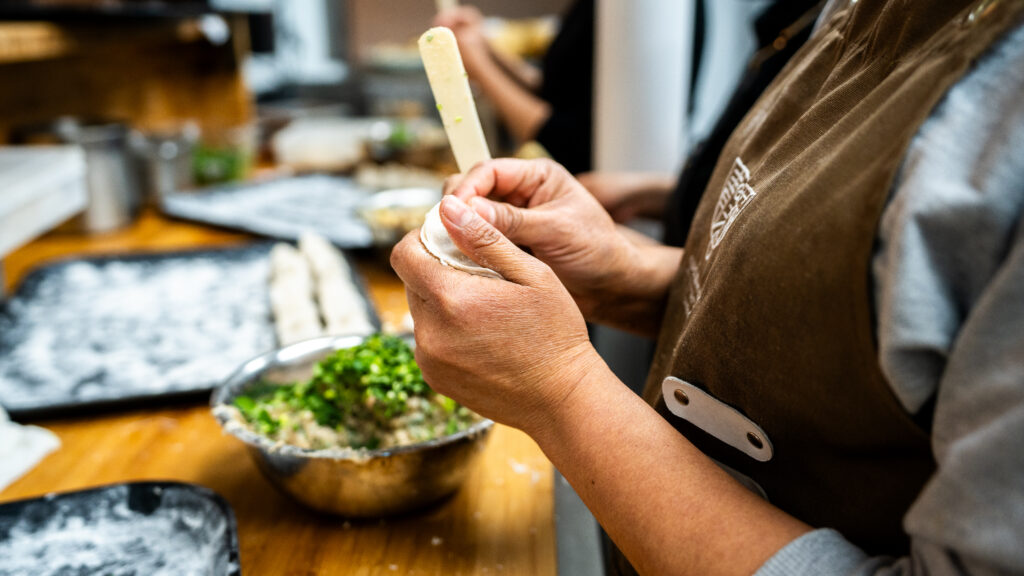
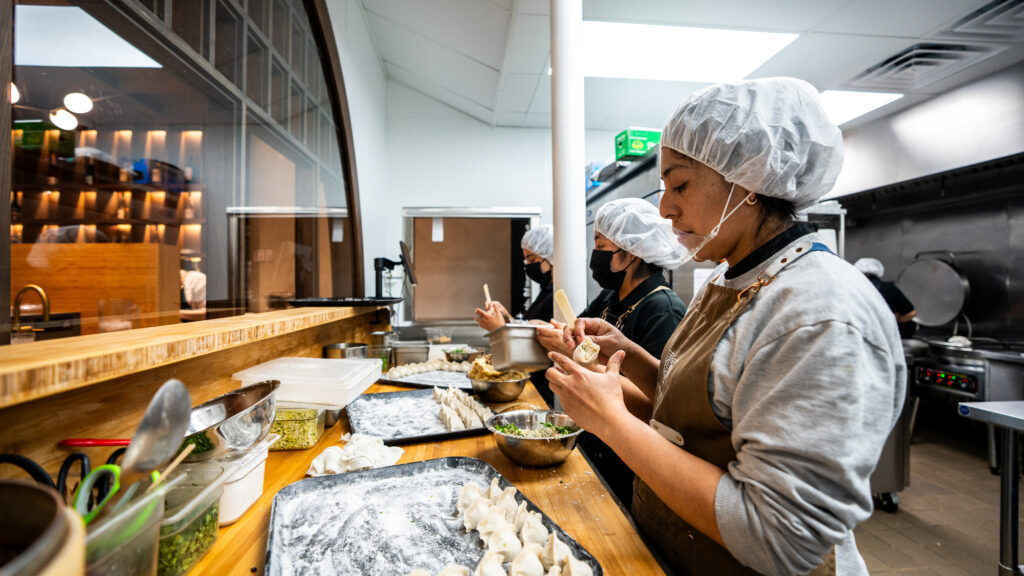
At QXY, those dumplings are made using recipes passed down through generations.
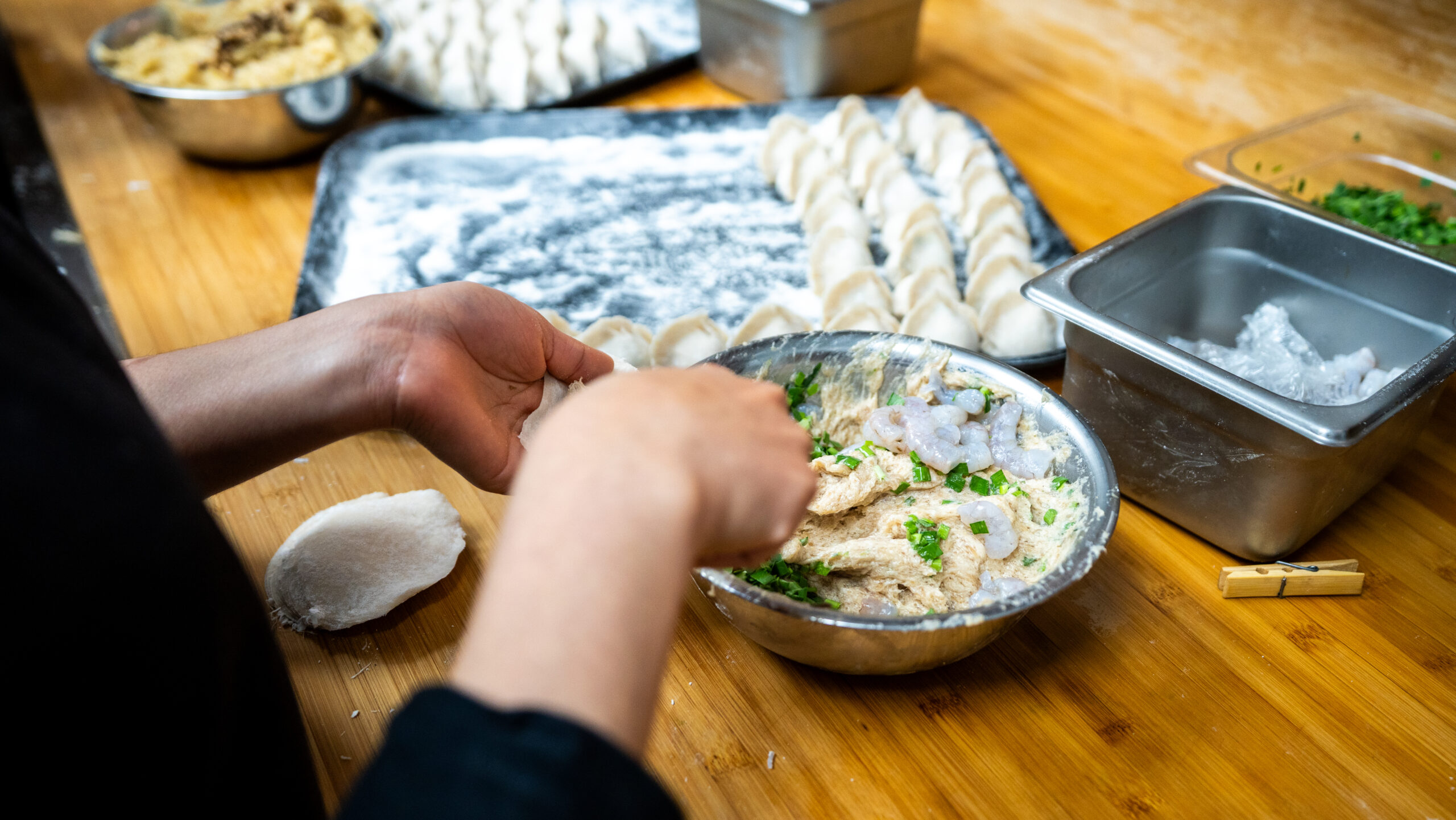
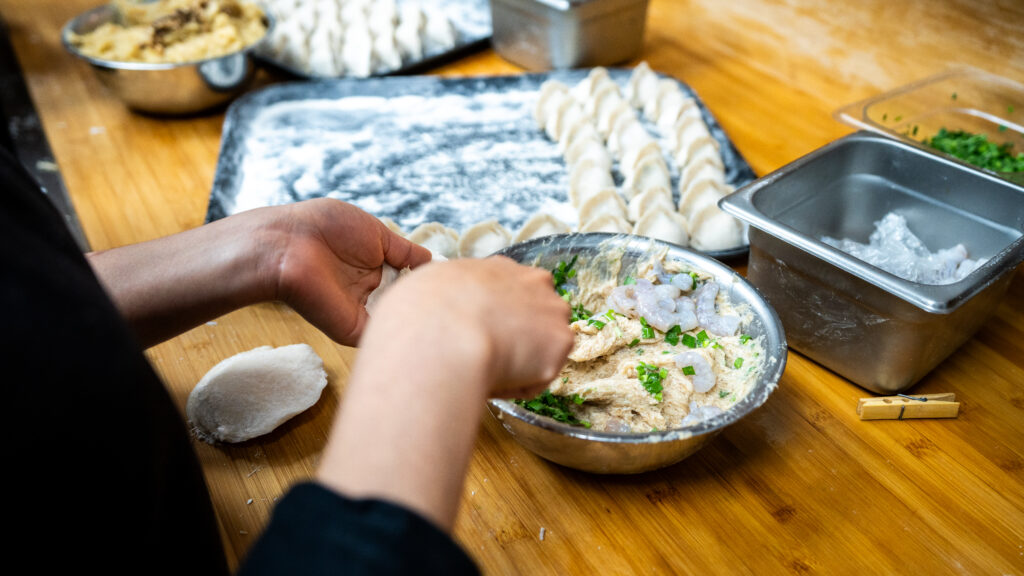
“We put meat; we have veggies. Literally everything is a dumpling. Just a wrapper with a filling. You can fill everything inside the dumplings,” Jesse said. “The fillings we put in the dumpling, they are all homemade. And we’ve had the family recipe for over hundreds of years.
“When I grow up, I remember my grandparents made it and mom made it,” he recalled with a slight, nostalgic smile generated. “During all the festivals, we make dumplings. People eat dumplings all the time. It’s a really comfortable food. Think about it. You can eat dumpling in the morning, during lunch, at dinner.”
That personal connection makes the success of the restaurant especially meaningful.
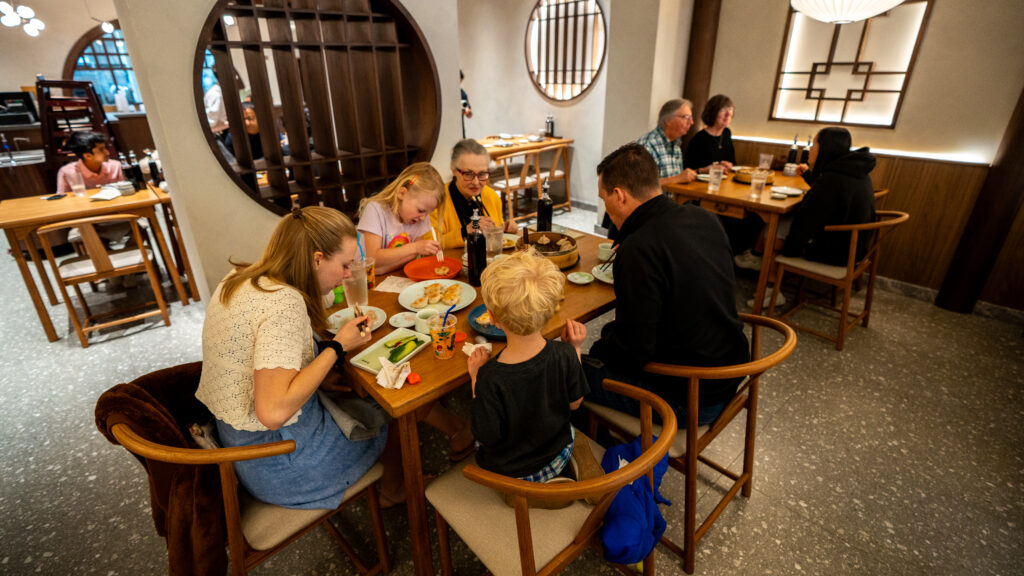
“When you see the full dining room, seeing people hanging together, sharing food, seeing a lot of customers coming back, you feel really rewarded for that,” Jesse said. “Because this is what I grew up eating. It makes me very proud that my family, our recipe, is feeding so many people in Chicago and making them so happy.”