If you want to understand the approach to wine embodied by Rick Nesbitt, don’t start with Cabernet Sauvignon. Start with sweet potato pie.
At Vintrendi Wine Company in Olympia Fields, Nesbitt makes a cream wine inspired by the beloved dessert. It is exactly the kind of product that might make someone stop in front of a wine shelf and wonder, “Wait…what is that?” But that’s the point.
“I wanted to introduce some cultural aspects into our wine,” Nesbitt says.
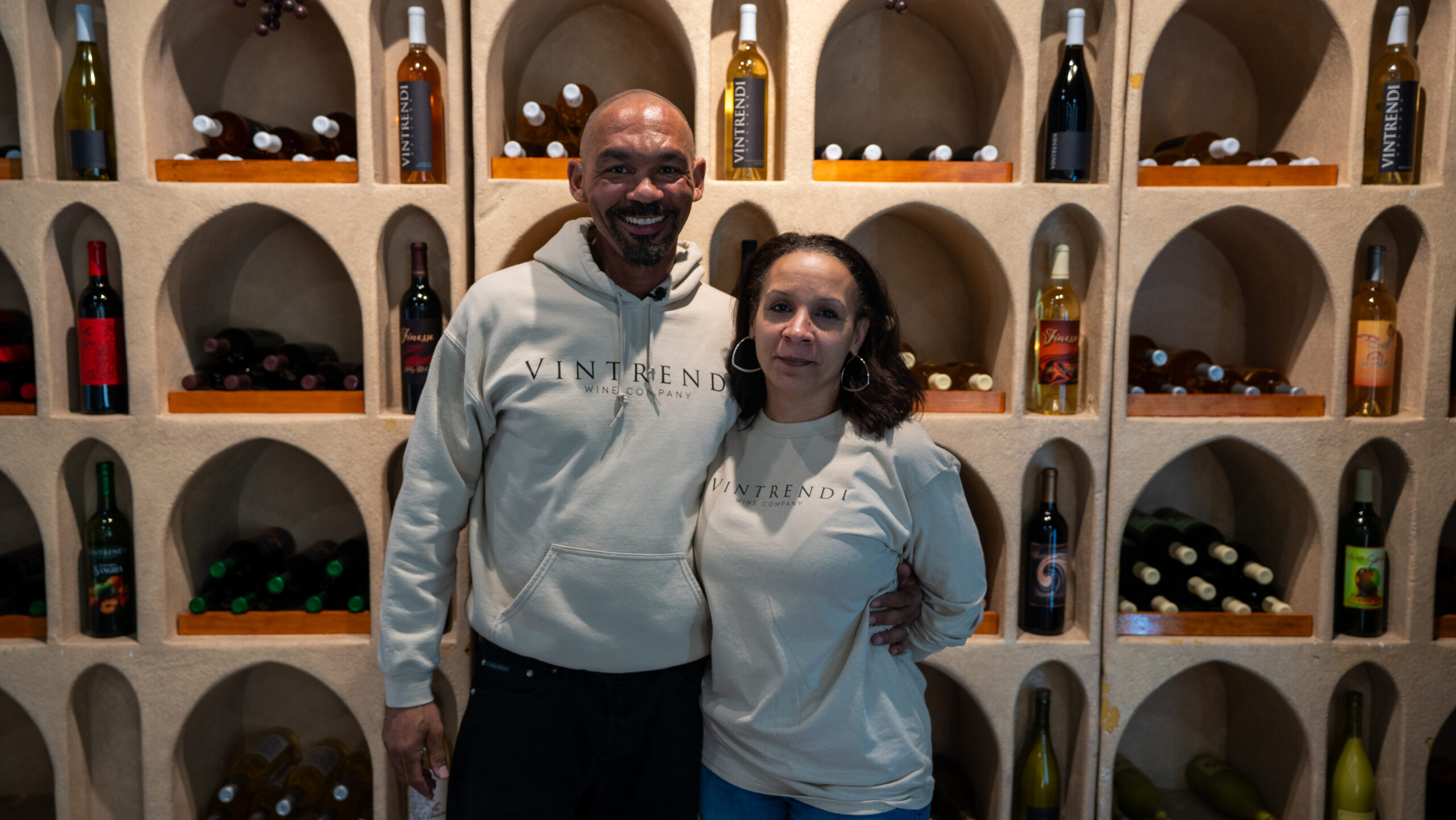
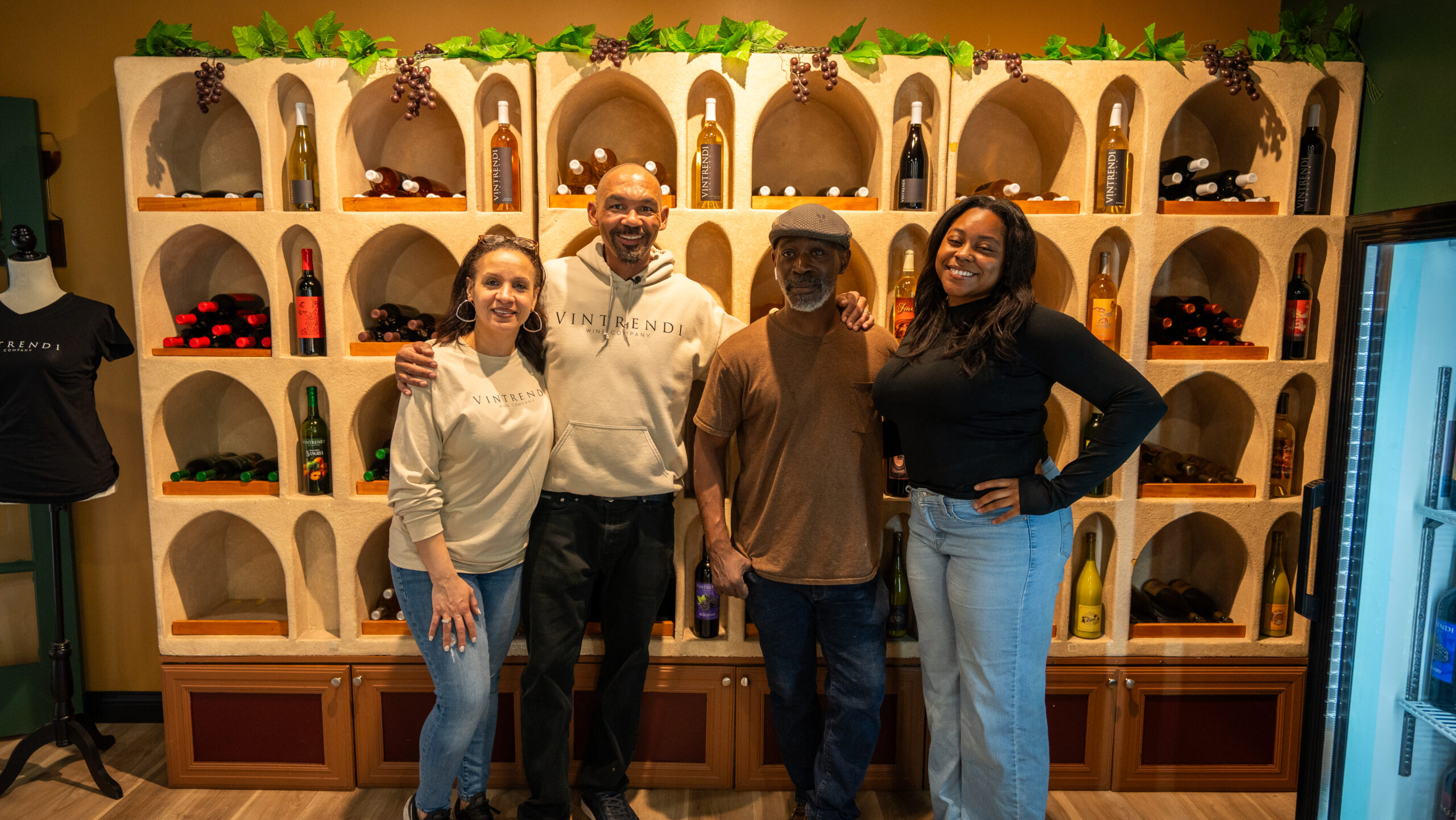
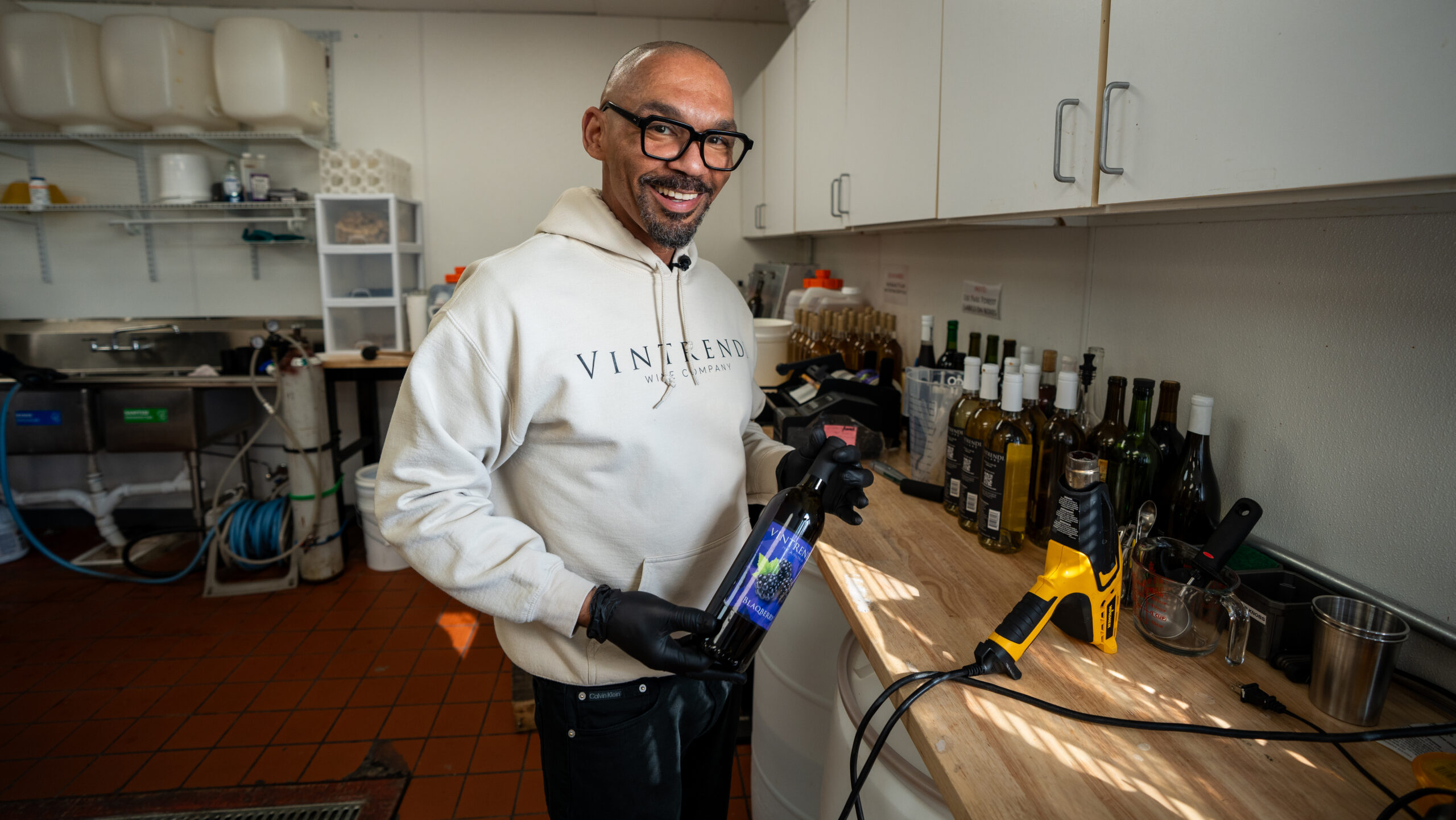
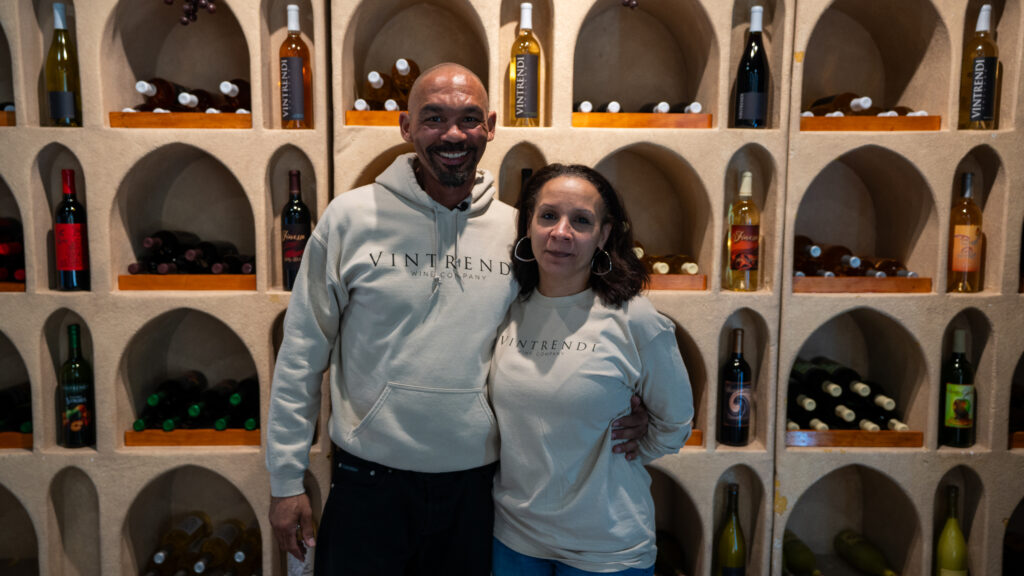
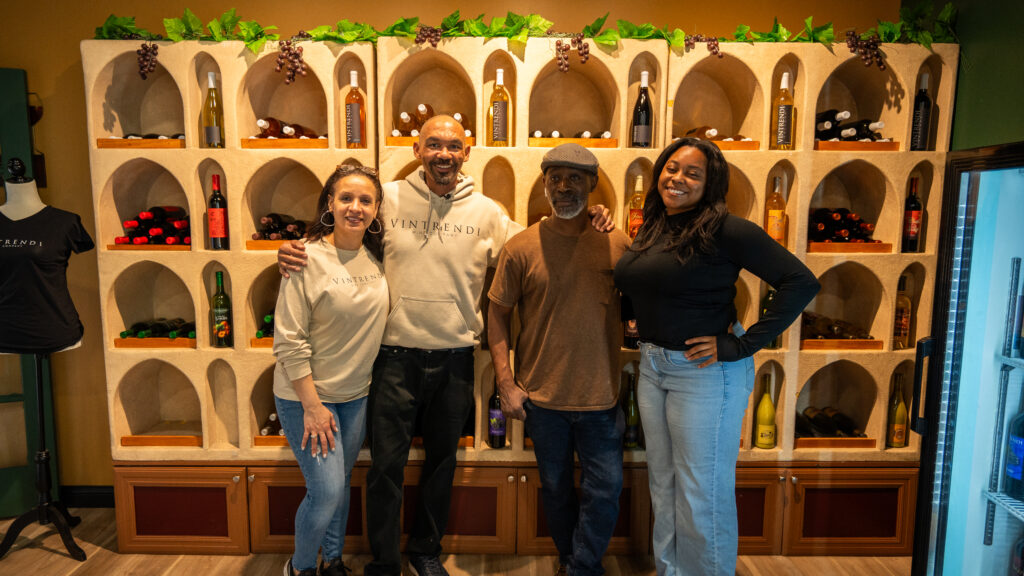
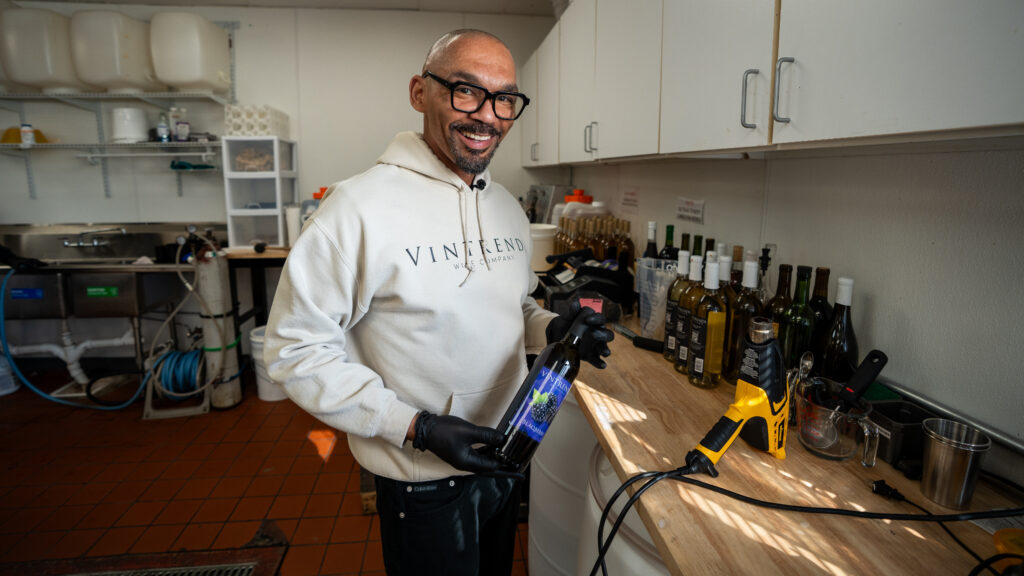
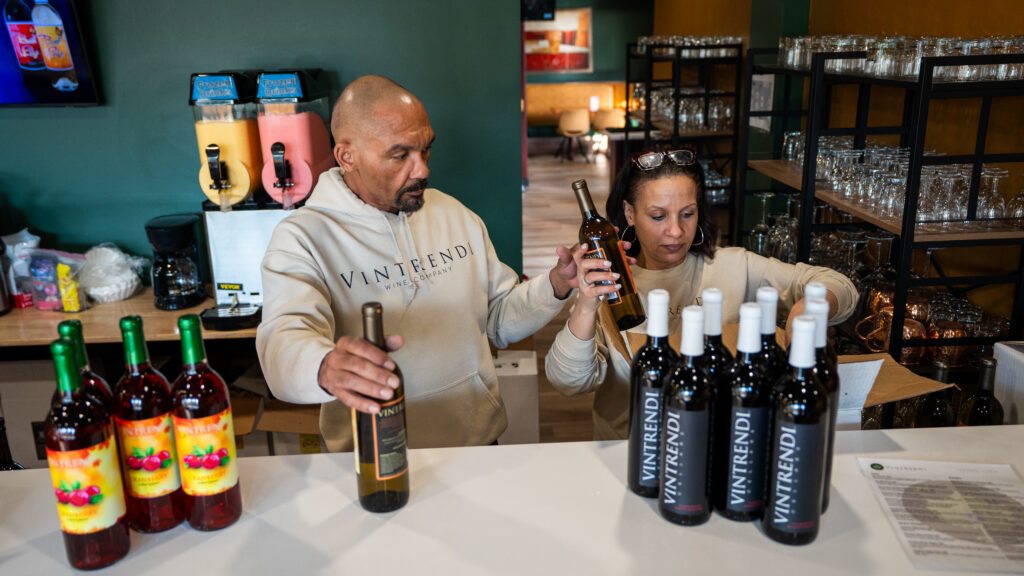
Nesbitt is the CEO and winemaker of Vintrendi, the micro-winery he owns with his wife, Carin. But calling him a winemaker fails to cover all the hats he wears at the business. He is also the marketer, the wholesale sales lead, and the self-described “logistics guy.” Carin serves as CFO, operations manager, and head chef. Their sons work in the business, too, and a daughter helps from off-site.
At Vintrendi, everybody takes on multiple responsibilities. Rick just also happens to make the wine. And somewhere along the way, he has built a business that makes a compelling case for why manufacturing and retail do not have to be separate worlds.
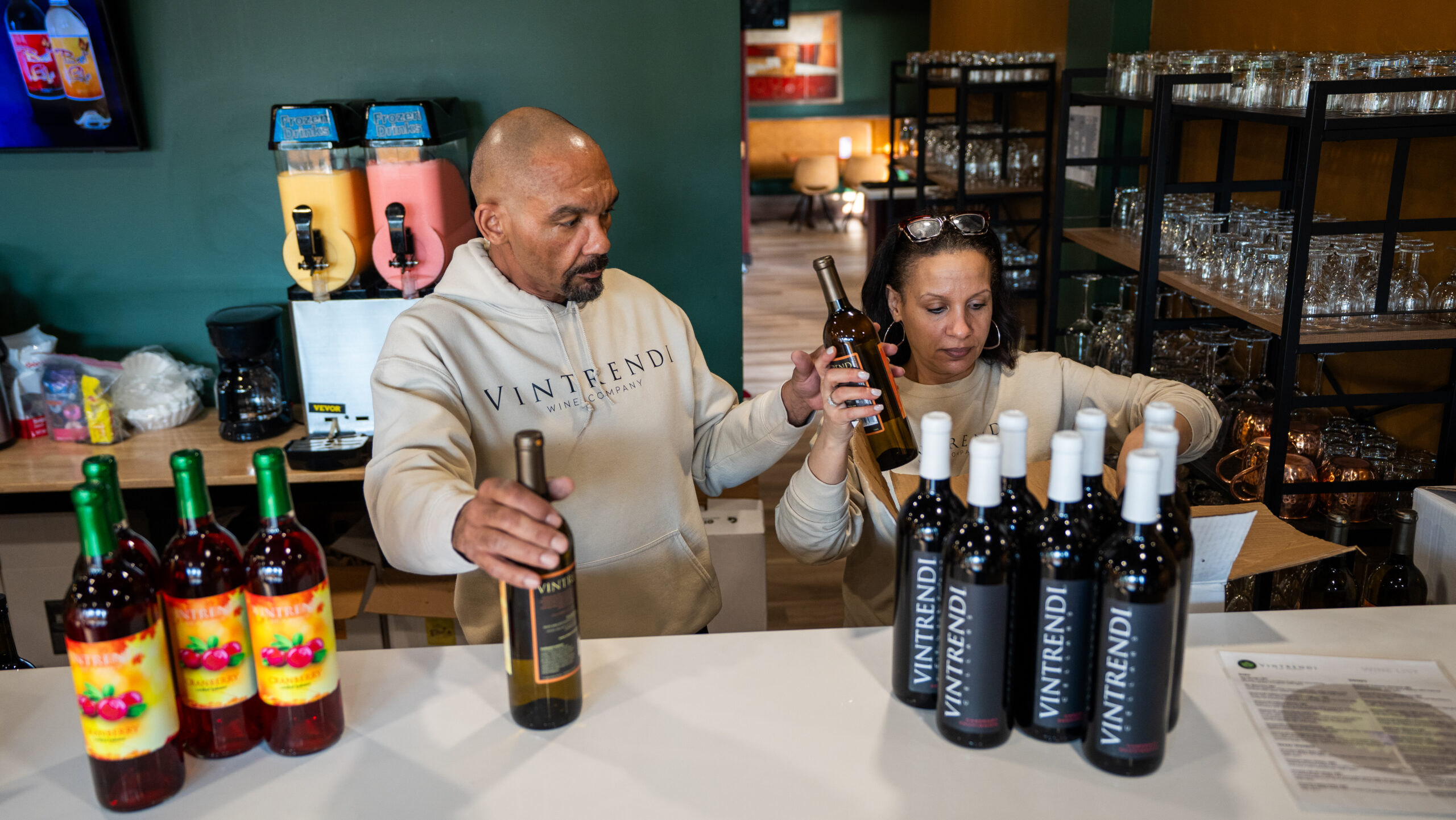
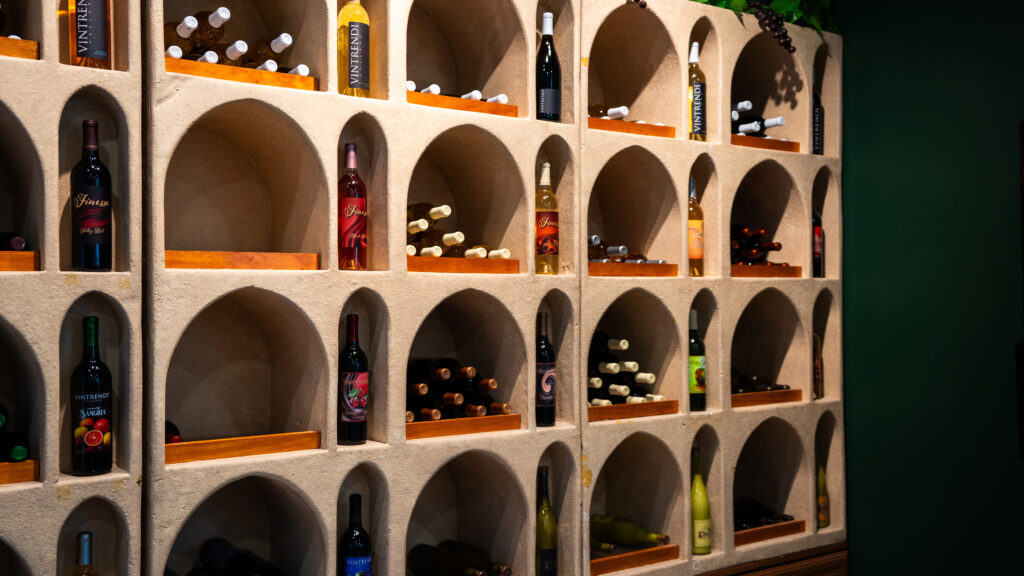
“We manufacture and sell more than 40 different styles of wine,” he says. “We’ll sell it to you by the glass, by the bottle, in person or by mail order. So, we’re a retailer, a manufacturer, and a wholesaler. We do it all.”
The gap from the other side of the bar
Rick did not start his professional journey as a winemaker.
His path began in the wine and liquor distribution business, where he spent years introducing consumers and retailers to the products of other manufacturers. He conducted tastings and demonstrations. He watched what moved. He tracked what did not sell. And, perhaps of greatest importance, he noticed who was making the products.
“There was low representation as far as black-owned wineries that I used to represent when I worked for different distributors,” he says.
Eventually, the landscape of the business became difficult to ignore for Rick who wondered why he should continue to represent the brand of someone else when he could create one himself.
“I wanted to have some ownership and also impart my cultural influences on the wines that we produce here,” Nesbitt says.
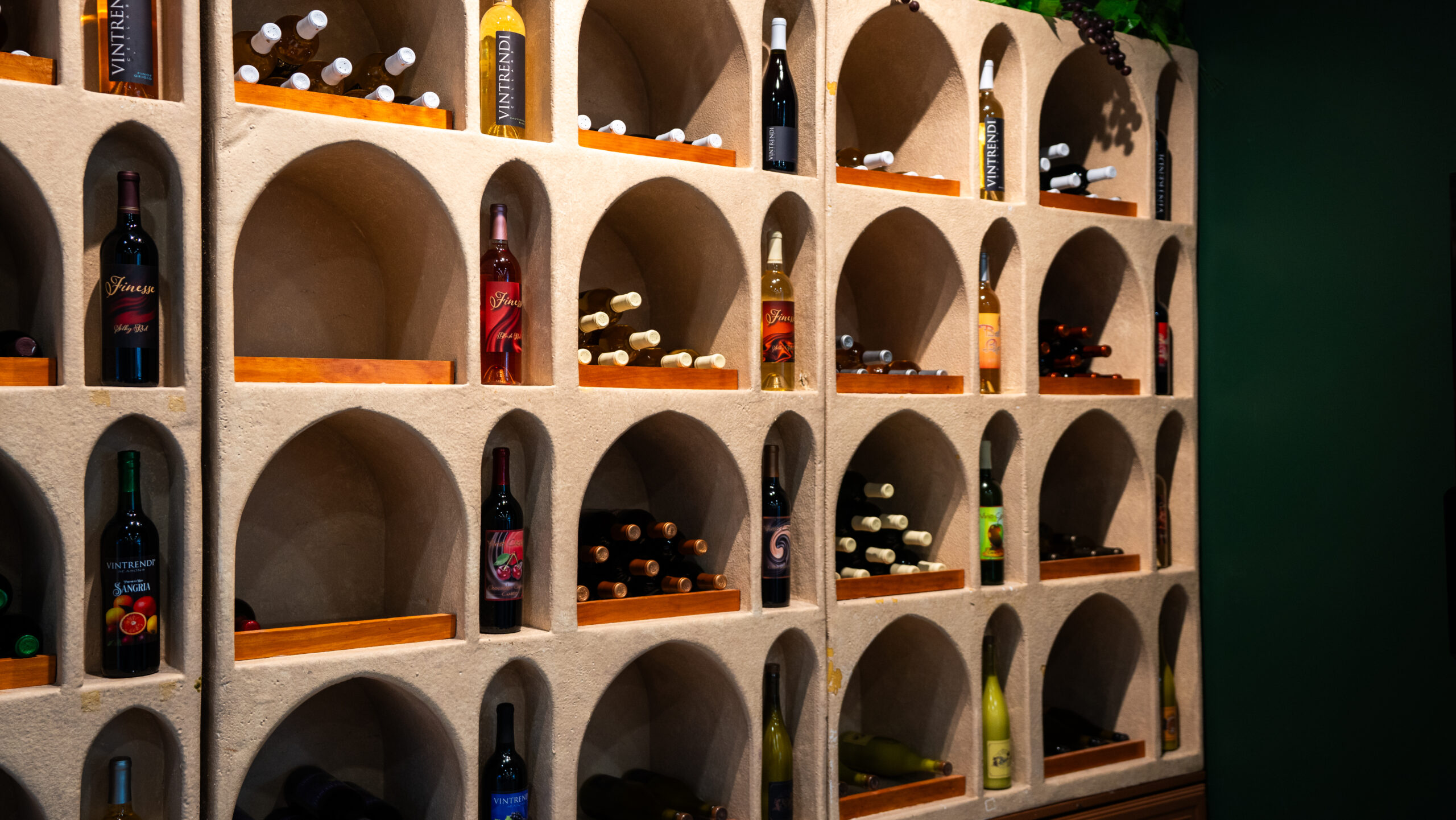
Vintrendi Wine Company opened in the Chicago suburb of Park Forest in 2017 and eventually outgrew its original space before moving to Olympia Fields. The current location of the brick-and-mortar combines production with a retail store and tasting room, where customers can purchase bottles to take home or stay and experience the wines.
The growth of the business has been significant. Nesbitt remembers starting with a 400-square-foot space and four wines. Today, he says, Vintrendi has grown to roughly 4,400-square feet.
“I hope that we have an opportunity to not necessarily move from where we are, but actually have additional locations or an off-site production area where we can produce more wine in mass,” he says.
Wine that reflects the diversity of Chicago
Nesbitt is particularly interested in the space between wine tradition and cultural identity. He says he does not believe wine has to look, taste, or feel a certain way simply because of traditions.
“I’m from Chicago’s South Side, so I have an urban flair to some of my wines,” he says. “I think they’re a little bit more fruit forward, a little bit more bold, a little bit more young than traditional wines.”
He points to an experience watching Anthony Bourdain travel around the country and discover food that blended cultures. Nesbitt remembers seeing Korean tacos and thinking about what happens when two seemingly different traditions meet.
The same idea appealed to him in winemaking.
“Why couldn’t wine have a little Chicago in it? Why couldn’t it reflect the people drinking it,” he wondered.
That thinking eventually led to products such as the sweet potato pie cream wine.
“If you’re from the Black community, you know sweet potato pie,” Nesbitt says.
He also makes wines with flavors such as caramel apple, along with more traditional varieties such as Cabernet Sauvignon and Sauvignon Blanc.
“Traditionally, wines have just been produced and given to our market, but yet no one ever asked us what we actually liked,” Nesbitt says. “And so, that’s what I actually like to produce. Things that will ring true to our consumer.”
The retailer is right there in the bottle
Rick’s definition of retail is unusually expansive. Vintrendi makes the product. It sells the product. It wholesales the product to other retailers, and it creates the experience around the product.
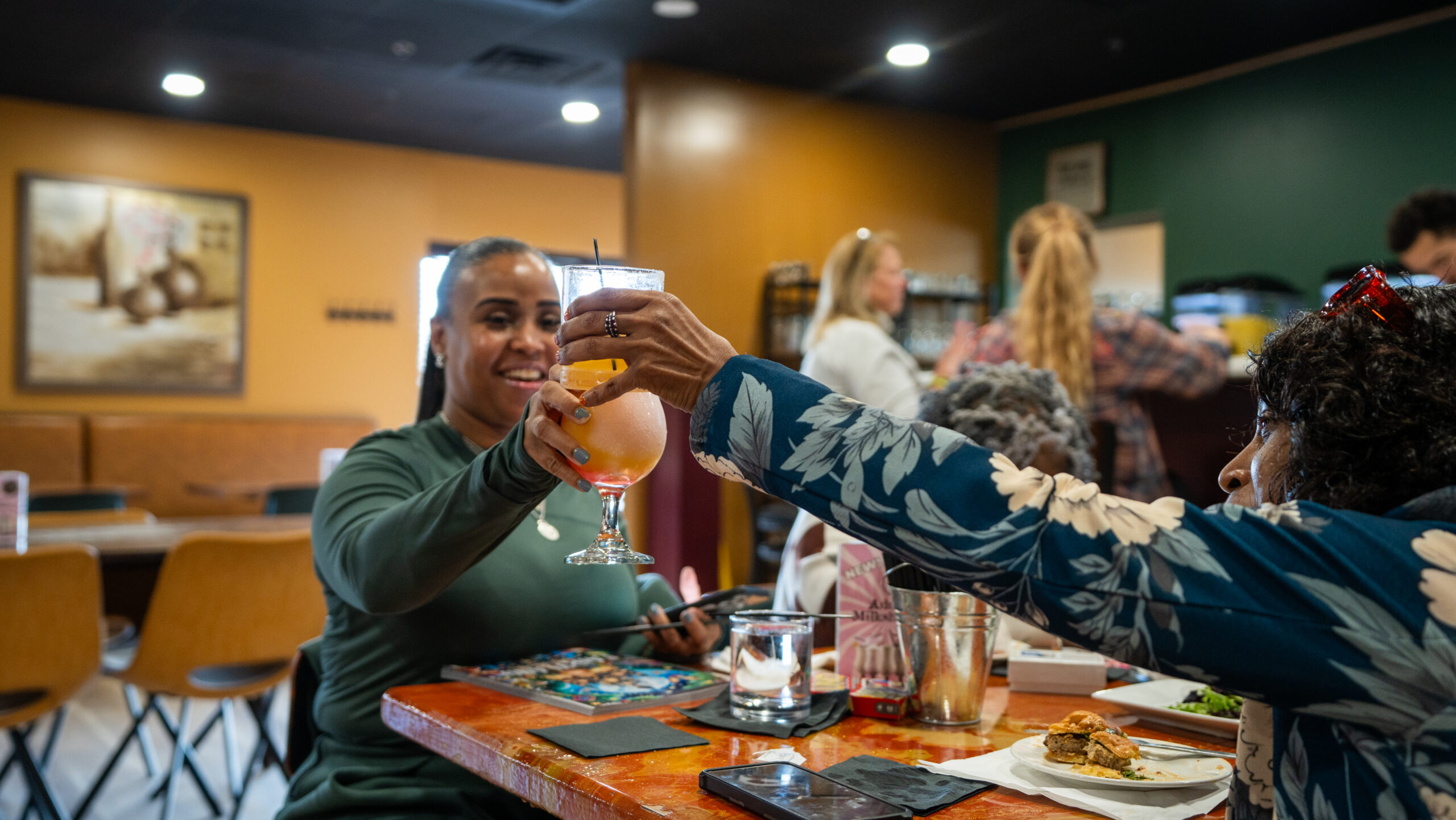
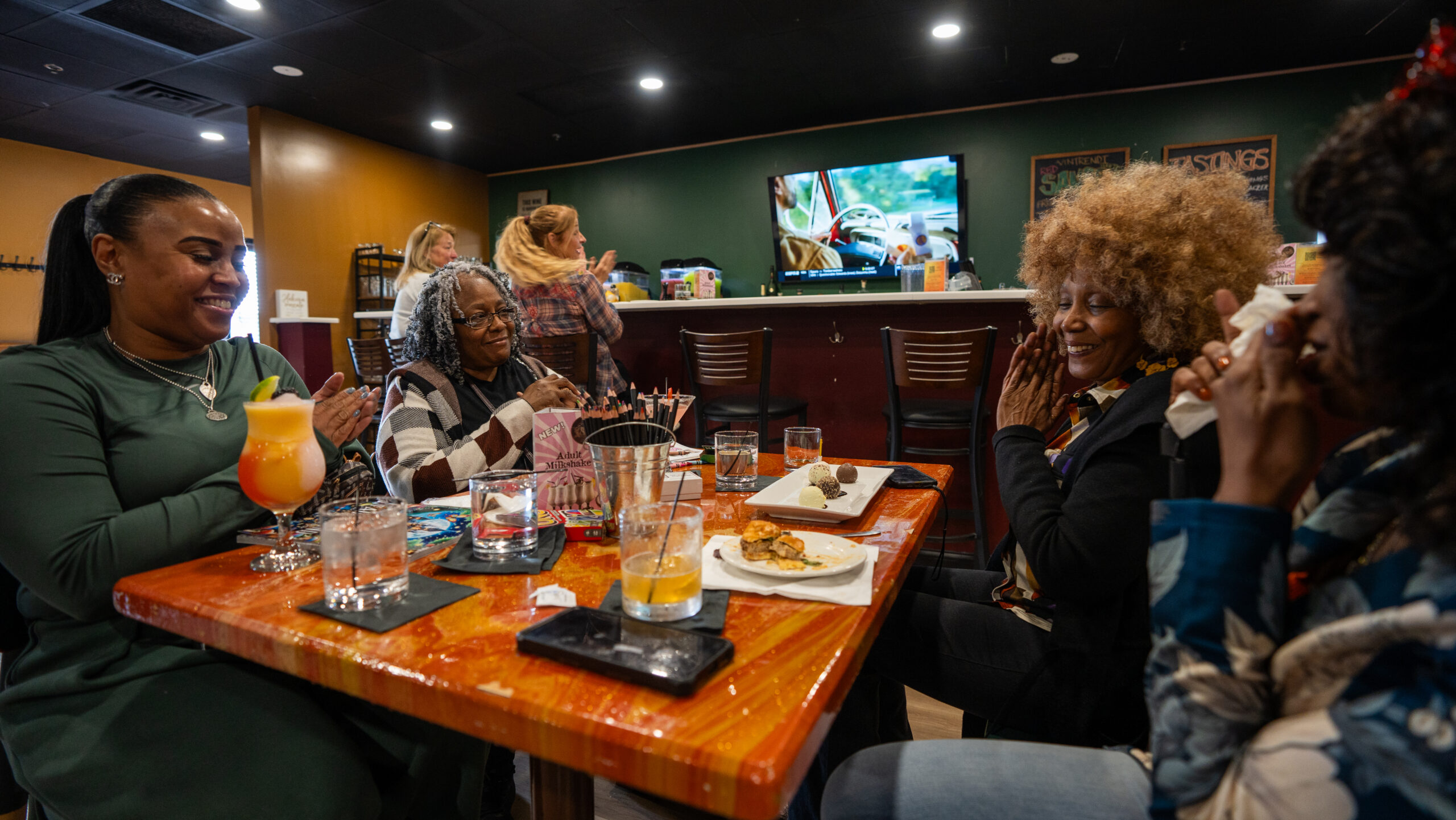
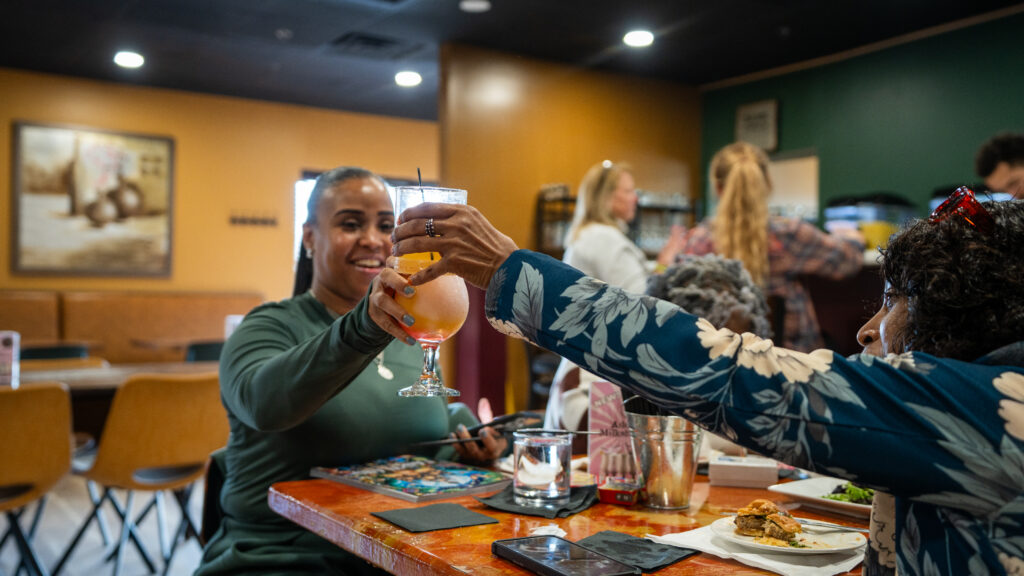
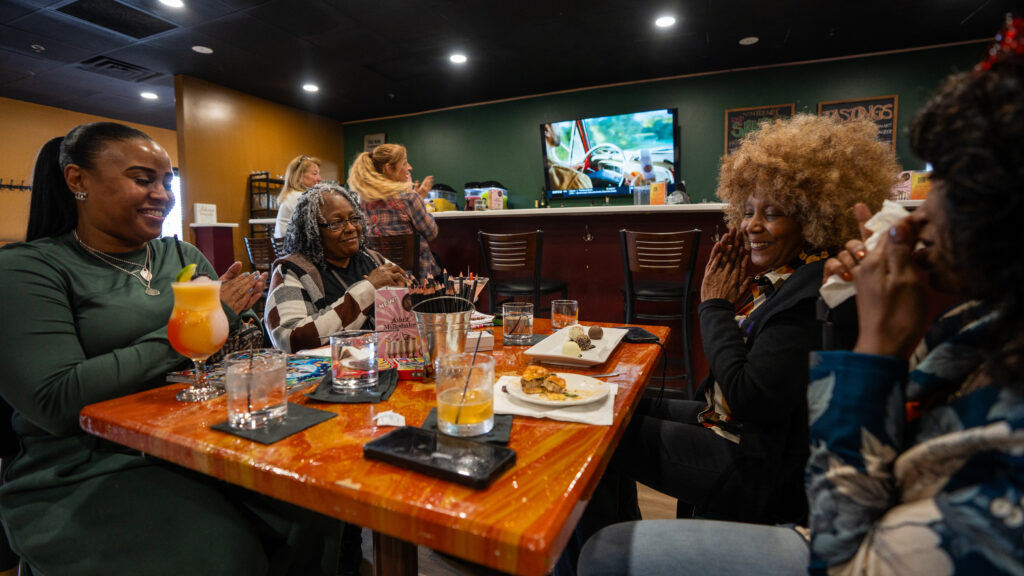
A customer can walk into Vintrendi, sit down for a wine flight, hear live music, attend an educational event or simply buy a bottle and leave. The company’s website describes the location as both a functioning winery and retail store, with tastings, small plates, and events.
Nesbitt sees the dynamic functions of his business as connected rather than separate.
“We do have a restaurant,” he says. “You could be seated, have a wine flight here, enjoy some live music, or a DJ night.”
Then there is the wholesale side of the business. Vintrendi might introduce a customer to a bottle somewhere else and eventually bring that customer back to Olympia Fields.
“They taste them at a store, maybe during a tasting or just by chance pull up a bottle off the shelf, take it home, and then they might want to come to the winery and explore more wines,” Nesbitt says.
He calls it a “synergistic cycle.”
It is also a good description of what happens when a manufacturer understands the value of diversity in retail.
Olympia Fields was no accident
Nesbitt did not pick Olympia Fields simply because he found a building he liked. He looked at the people who lived in the community.
“This part of Chicagoland is predominantly African-American,” he says. “And Olympia Field happens to be a more affluent part of Chicagoland. And we knew that we had a built-in customer base here.”
The move to Olympia Fields has given Vintrendi greater visibility and brought more customers through the door, Rick says.
The location also puts the winery in the middle of the community it was designed to serve. And that matters to Rick, because his goal is not solely to sell wine to African Americans. He wants to create wine that African Americans recognize as being made with them in mind.
He describes himself as an ambassador and embraces the responsibility that comes with being the first African-American winemaker in Illinois.
“I see being an African American ambassador as a big opportunity to present our wines and add some cultural flair,” he says.
For Nesbitt, representation is not a marketing slogan. It is intrinsic to his product.
Give Drake some credit
There is another cultural force Nesbitt identifies as helping to grow the relationship between African Americans and wine: hip-hop.
His theory is that rappers gradually helped move wine into a different cultural space.
“Wine drinking has become quite popular among African Americans and I want to attribute that to it being brought up in rap songs over the years,” he says. “Probably brought into effect by Drake.”
Nesbitt laughs as he explains how many of the rapper’s references to wine helped introduce consumers to the idea of wine as part of contemporary culture.
“It was so good at a point that I wanted to send Drake a check,” he jokes.
Rick says culture moves markets. People buy what feels familiar. They gravitate toward things that reflect their experiences, their interests, and sometimes simply the world they recognize. That can be a song. It can be a flavor. Or it can be a bottle of wine.
Retail is where the conversation happens
Rick says his typical customer tends to be a woman between the ages of 45 and 60, with many of them being African American females. But he is quick to point out that Vintrendi’s appeal extends well beyond one demographic.
“A lot of people drink our wines,” he says.
He does not want cultural relevance to become cultural isolation. He wants it to be an invitation.
“We’ve had all the wines in the past that were produced by other groups, but now we find that other groups are interested in learning what a wine produced by a black person could taste like,” Nesbitt says.
Rick talks about wine with the enthusiasm of somebody who genuinely enjoys the process.
“I love the fact that it comes from the earth, and it’s really what we can take from the earth and make into art,” he says. “From bottle, from head to hand, and ultimately to the glass.
“I like to make people happy and wine makes people happy, and I just run with that.”
That’s probably as close to a philosophy statement as Rick Nesbitt needs. Because Vintrendi is not only about what happens inside a fermentation tank. It is about what happens after the bottle leaves the store.
A customer takes it home. A group shares their wine over dinner. Somebody discovers a new favorite. Someone recognizes a flavor from home. Someone else sees a black-owned Illinois winery and decides to give it a try.
And somewhere in that exchange, Nesbitt believes, retail becomes something bigger than a transaction.
“Vintrendi Wine Company matters because of representation,” he says. “It’s not just making the wine, but also we’re recycling the dollar in the community.”