Cash flow can make or break a small business. According to U.S. Bank, up to 82% of small businesses fail due to poor cash flow management. While retailers represent just one part of the small-business landscape, they face unique challenges in balancing costs, expenses, and revenue.
The biggest challenge is keeping the cash moving. Inventory needs to be purchased before it can be sold; seasonal demand can change quickly; customers may return purchases; and fixed costs still need to be paid during slower months. Even a strong sales month can’t guarantee that you’ll have enough cash available to cover your next round of expenses. That’s what makes knowing how to manage cash flow in a small business essential to running a healthy retail operation.
Read on to learn how to make smarter cash flow decisions and get eight tips to help your business prepare for both busy and slow seasons.
Why Cash Flow Is Hard for Small Retailers
Retailers often need to invest in inventory long before they see a return. Purchasing products weeks or even months before they are sold can tie up significant cash, making it difficult to maintain healthy cash flow. Overstocking can leave cash sitting on shelves, while understocking can mean missing sales when demand is high. Finding the right balance is critical to keeping enough cash available for payroll, operating expenses, and unexpected costs.
Seasonal sales swings can make that balance even harder to manage. Retailers may see a surge in revenue during the holidays, back-to-school season, or other peak periods, followed by slower months when sales decline. Returns can add another layer of uncertainty, particularly after major shopping periods, when refunds can quickly reduce the cash a retailer expected to keep. Without clear cash flow visibility, it’s easy to mistake a strong sales period for long-term financial health.
That’s why understanding how to manage cash flow in a small business requires looking outside of total sales. Retailers need to know how future expenses or changes in demand could affect their operations today.
How to Manage Cash Flow in Retail
To properly manage your cash flow, you don’t have to predict every sale or expense perfectly. The goal is to understand your financial patterns, identify potential gaps early, and make decisions that keep enough cash available to operate your business.
Here are eight strategies that can help.
1. Create a Cash Flow Forecast Using Historical Sales Data
A cash flow forecast gives you a clearer picture of what your business may look like financially in the weeks and months ahead. Start by reviewing your historical sales data and identifying patterns in revenue, expenses, inventory purchases, payroll, rent, and other recurring costs.
Then, look for seasonal trends that can affect when money comes in and when it needs to go out. For example, a retailer that sees a major sales increase during the holiday season may also need to spend significantly more on inventory before that revenue arrives.
A simple forecast can help you anticipate those gaps rather than discovering them when your bank balance is already low. Update it regularly as actual sales and expenses come in so your projections stay timely and useful.
2. Monitor Cash Flow Regularly
Knowing how to manage cash flow starts with knowing what is happening with your cash right now. Checking your finances once a month may not give you enough visibility to catch a developing problem early.
Instead, set aside time each week to review:
- Cash currently available: Your actual bank balance, so you know exactly what you can spend today.
- Expected sales and incoming payments: Projected revenue based on orders, contracts, or recurring customers.
- Upcoming bills and recurring expenses: Rent, utilities, subscriptions, loan payments, and other fixed costs due in the near term.
- Inventory purchases: planned restocking or supply orders that will draw down your cash reserves.
Regular cash flow reviews make it easier to spot changes and adjust before they become larger problems. If sales are slower than expected or an unexpected expense appears, you’ll have more time to respond.
3. Negotiate Better Payment Terms With Suppliers
Your supplier relationships can significantly impact your cash flow. If you are consistently paying for inventory before you have had a chance to sell it, ask whether your supplier can offer more flexible payment terms.
Depending on the supplier and your relationship, you may be able to negotiate longer payment terms, bulk pricing, lower minimum order quantities, or early-payment discounts. Even a small improvement in payment timing can help you keep more cash available for other business expenses.
It is also worth reviewing supplier agreements regularly. As your business grows, you may have greater leverage to negotiate terms that better align with your sales cycle.
4. Build a Cash Reserve for the Slow Season
Every retailer experiences periods when sales slow down. Instead of waiting for a slower season to put pressure on your finances, plan for it while business is still strong.
A reasonable target is to have 3 to 6 months’ worth of essential operating expenses. Consider payroll, rent, utilities, and minimum inventory needs. Retailers with a short, predictable slow season may be comfortable saving closer to 3 months’ worth of operating expenses. Those with longer or less predictable downturns, thinner margins, or limited access to financing should aim closer to 6.
Remember, your reserve does not need to be built overnight. If you consistently set aside a manageable amount, you can build a financial cushion that gives you the flexibility to feel less stressed and plan better for the future.
5. Avoid Overstocking
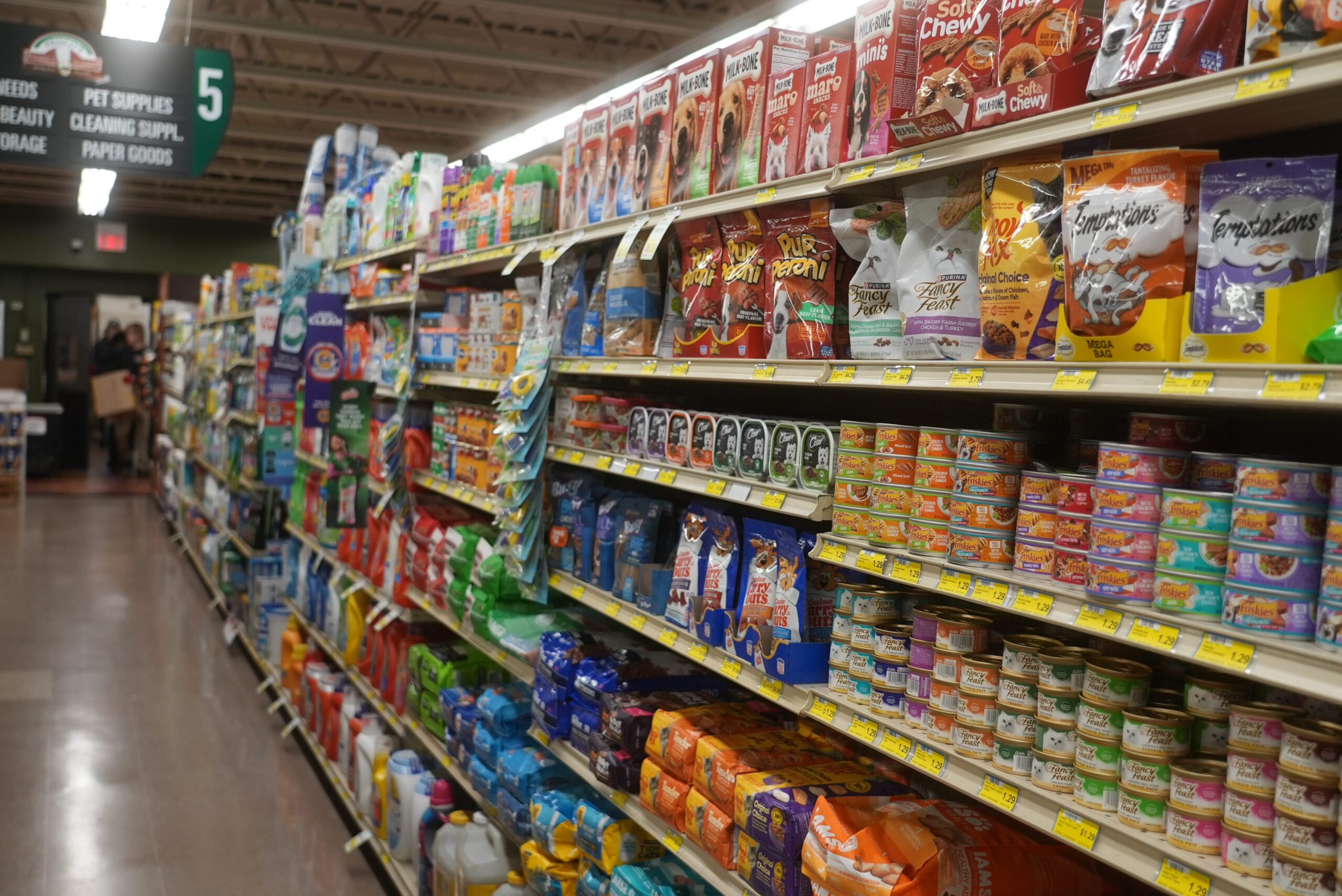
Inventory can be one of the largest uses of cash for a retailer, which makes overstocking particularly risky. Having too much product on hand means money that could be used elsewhere is sitting on your shelves.
To avoid this, use your sales history to identify which products move quickly and which tend to sit. Pay attention to seasonal merchandise, too, since products that sell well during one period may become difficult to move once demand changes.
Before placing a large order, consider:
- How quickly the product typically sells: Look at turnover rates for that specific item to order based on real demand.
- How much inventory do you already have: Factor in what’s still on shelves or in the stockroom to avoid duplicating an order you don’t yet need.
- Whether demand is seasonal: Some products spike briefly and then sit for months, which changes how much you should realistically order.
- How much storage space the inventory requires: Bulky or space-intensive items can strain storage capacity even if the cash cost seems reasonable.
Keeping inventory aligned with actual demand can free up cash while helping you avoid unnecessary markdowns later.
6. Optimize Your Inventory Levels
Avoiding overstock is only part of effective inventory management. You also need enough product available to meet customer demand.
You should track inventory turnover to understand how quickly products are selling. Items that consistently sell out may need to be reordered more frequently, while slower performers may call for a different pricing or merchandising strategy.
An accurate view of inventory can also help you make better purchasing decisions. If you know which products generate revenue and which tie up cash, you can prioritize purchases accordingly. Inventory management tools like Square for Retail, Lightspeed Retail, and Cin7 can make this easier by flagging slow-moving stock and giving you real-time visibility into what customers are actually buying.
For more practical guidance, check out our guide to inventory management in retail.
7. Review Your Pricing Strategy
Pricing directly affects both sales and cash flow. If your prices are too low, you may generate plenty of revenue without leaving enough margin to cover operating expenses. If prices are too high, you may slow sales and leave inventory sitting longer.
Review your pricing regularly based on product costs, inflation, customer demand, competitor activity, and sales performance. Pay close attention to products that are selling slowly and determine whether a promotion, bundle, markdown, or price adjustment could help move them.
Your pricing strategy should also account for the cost of acquiring and carrying inventory. A product that generates strong sales may still put pressure on cash flow if the margin is too thin.
8. Plan for Returns and Unexpected Expenses
Returns are a normal part of retail, but they can make cash flow less predictable. Build expected returns into your financial planning rather than treating every refund as an unexpected event. Nearly 15.8% of retail sales are projected to be returned, according to the National Retail Federation, so build that into your financial forecasting.
You should also leave room for expenses that do not happen on a predictable schedule, such as equipment repairs, maintenance, unexpected inventory needs, or technology costs.
Planning for these expenses gives you more flexibility when something goes wrong. A cash reserve, combined with a realistic forecast, can help prevent a single unexpected expense from disrupting your entire operation.
Conclusion
Understanding how to manage cash flow in a small business is about more than watching your bank account. It requires looking at the decisions that affect when money comes in, when it goes out, and how much cash is tied up along the way.
For retailers, that means paying close attention to inventory, supplier relationships, pricing strategies, seasonal sales, and potential operational hurdles. It also means building financial habits that help you identify problems before they become urgent.
Cash flow management may not be the most exciting part of running a retail business, but it can have a major impact on your ability to keep operating, invest in opportunities, and prepare for what comes next. By understanding how small businesses manage their cash flow and creating a system that works for your business, you can make financial decisions with greater clarity and confidence.
For more practical resources designed to help Illinois retailers strengthen their businesses, explore We Are Retail owner resources.