For most customers, buying from big retailers is easy. Their lower prices, free shipping, and dozens of self-checkout kiosks make it easy to go in, complete a purchase, and get back to your day. That, coupled with their accessibility, makes them a default choice for many everyday shoppers.
So, why shop local?
Though large retailers play an important role in the retail landscape, independent retailers play a different, foundational role in the communities they serve. When you spend money with a neighborhood retailer, you help them employ residents, partner with other businesses, and support local organizations.
Read on to learn more about why shopping local matters and how small changes in everyday spending can make a big difference.
7 Reasons You Should Shop Local
Shopping at a local business isn’t always the cheapest or most convenient option, and that’s okay. Still, when you do decide to shop local, you should understand why and how that decision can positively affect your neighborhood and the lives of those within it.
1. Your Spending Supports the Local Economy
When you shop at a locally owned business, your purchase supports more than the store itself. Independent retailers often work with nearby accountants, printers, contractors, marketing professionals, restaurants, service providers, and other businesses to keep operating.
Your purchase also contributes to employee wages and the taxes the business generates. Employees then spend their own income on housing, food, services, and other purchases in the area.
That creates a true network of local economic activity. The more business local retailers generate, the more opportunity there is for other businesses, workers, and services in the community to benefit.
2. You’ll Strengthen Your Community
Local retailers often actively participate in the communities where they operate. They may sponsor youth sports teams, donate to school fundraisers, support local nonprofits, participate in neighborhood events, or partner with other organizations.
These contributions especially can be visible in smaller communities and neighborhoods, where businesses and residents often have longstanding relationships.
So why should you buy local? When you do, you support businesses already connected to the area and give them the opportunity to keep participating in the community.
3. You’ll Help Shape Your Neighborhood
A neighborhood’s retail landscape can make a community feel distinct. An independent bookstore, longtime hardware store, specialty grocer, family-owned restaurant, or local clothing shop can become a recognizable part of the area. These businesses give shoppers places to visit that aren’t identical to stores found in communities across the country, helping shape a neighborhood’s identity over time.
Think about a time when you explored a new neighborhood. What made it special? It probably had a lot to do with the local shops, restaurants, and cafes. In Illinois cities like Chicago, neighborhoods such as these have distinct identities shaped in part by their independent businesses:
- West Loop: Known for its “restaurant row,” filled with innovative restaurants and a growing collection of local businesses.
- Pilsen: Houses local Mexican boutiques, taquerias, restaurants, and specialty shops that reflect the neighborhood’s culture and history.
- Wicker Park: Features vintage shops, record stores, independent boutiques, and local restaurants that continue to attract residents and visitors alike.
Without these independent retailers, many neighborhoods would lose some of the character that makes them worth exploring in the first place.
4. You Get A More Personalized Service
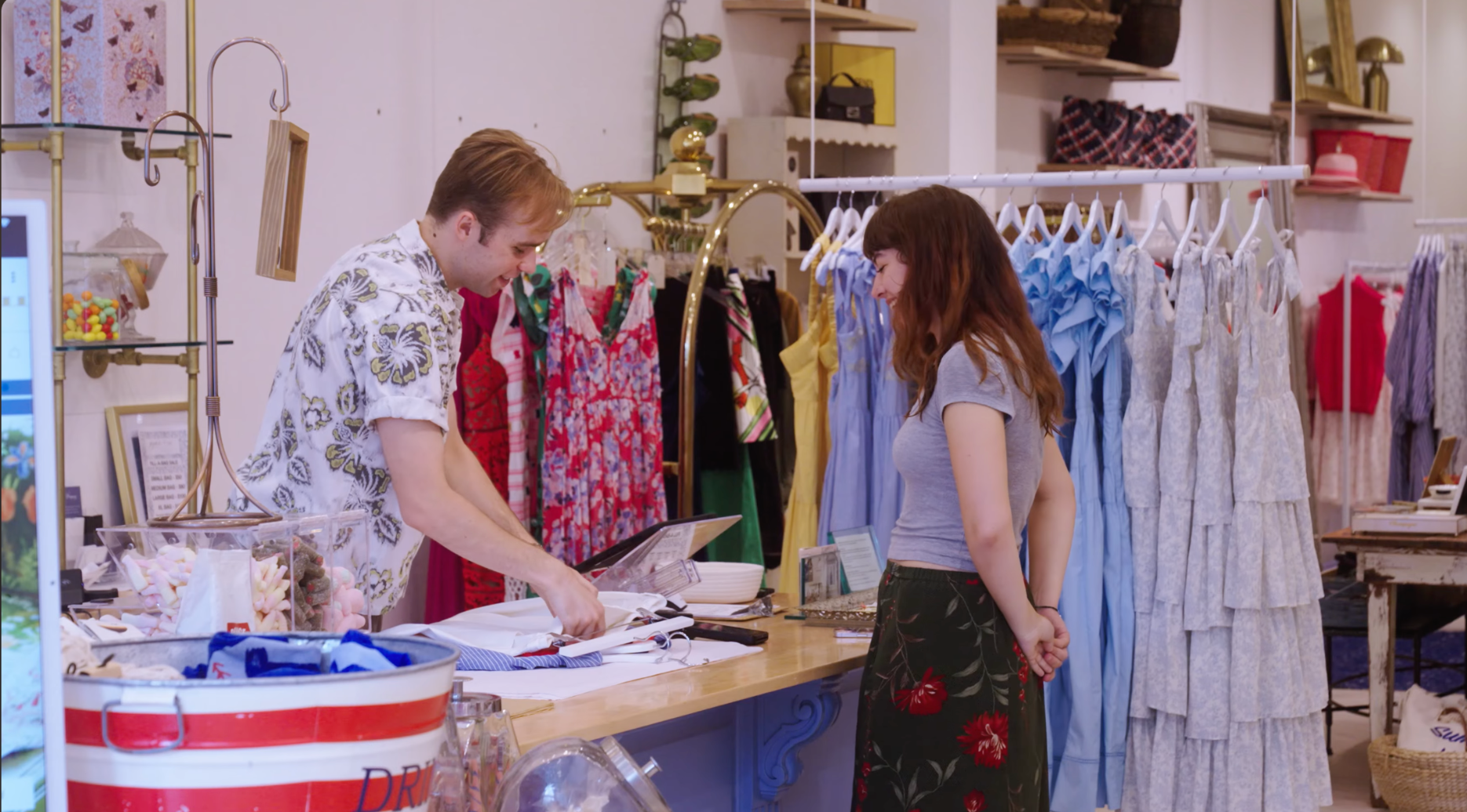
One of the biggest differences between independent retailers and large chains is the shopping experience. At a local store, employees can remember your previous purchases, understand what customers in the area typically need, or might even know you by name. With a smaller customer base, they may have more time to answer questions, explain how a product works, or recommend an alternative based on what you’re looking for.
That can be especially valuable when you’re shopping for specialty products or making a purchase that requires some expertise. Having that personal touch can make it easier to find what you need, feel confident in your purchase, and build a relationship with a business where you want to return.
5. You Can Find Products You Won’t See Anywhere Else
Independent retailers aren’t limited to the same product assortment found across hundreds or thousands of locations. Their selections are often shaped by the owner, the local customer base, and the business’s identity.
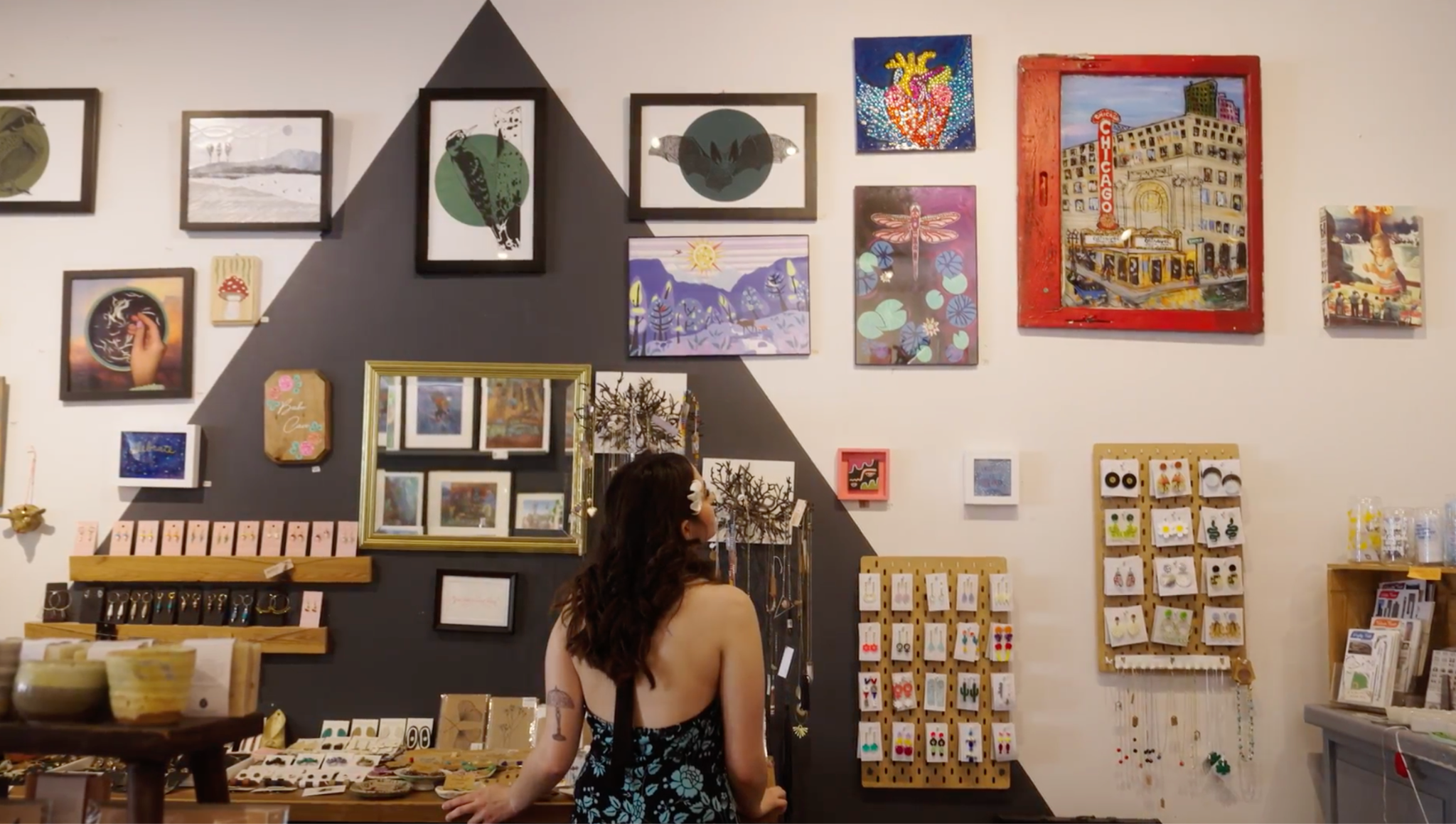
That can mean regional products, locally made goods, independent brands, specialty items, or products selected specifically for the community. For shoppers, that creates more variety. You may find a book chosen by an independent bookseller, clothing from a small designer, food from a regional producer, or a specialty product you never might have come across.
6. You Support Local Jobs
Retail businesses need people to keep them running. Employees stock shelves, help customers, manage inventory, process transactions, create displays, and handle the behind-the-scenes work that makes a store successful.
For independent retailers, those jobs are directly tied to the business’s health. Consistent customer demand gives owners more room to maintain staffing levels, add hours, hire additional employees, and invest in training.
Local retail jobs can also provide an entry point into the industry. Students, first-time workers, and people building new skills can gain experience in customer service, sales, merchandising, operations, management, and other areas. Shopping local lets you support the businesses that provide those opportunities.
If you’re thinking about a career in local retail, download our free guide, The Retail Career Blueprint, to learn which skills to build, which roles to aim for, and how to grow your first retail job into a long-term career.
7. You’ll Reduce Packaging and Transportation
Shopping locally can also affect how products get to you. When you purchase an item in person, you may avoid some of the packaging that comes with an individual online shipment, like shipping boxes, mailers, and packing materials. Buying from a nearby store can also mean fewer transportation miles between the store and your home compared with having an individual order shipped to you.
The environmental impact depends on the product, where it was made, and how it was transported. Still, when you can, shopping in person can help reduce some of the negative environmental impacts associated with online orders.
The Cost of Abandoning Local Stores
Money matters. For many shoppers, a lower price or free shipping makes a big retailer the practical choice, especially when household budgets are tight. Shopping local isn’t always possible, and we understand that no single purchase determines a business’s future, but when spending consistently shifts away from independent retailers, there can be broader economic effects. If you’re thinking to yourself, “Why shop small business?”, consider:
- Reduced tax revenue: Local businesses contribute sales, property, and other taxes that help support public services.
- Lost local jobs: Store closures or reduced business can mean fewer hours, fewer positions, or fewer opportunities for people in the area.
- Empty storefronts: Vacant commercial spaces can change a neighborhood’s appearance and activity, and they may remain empty until another business moves in.
- Fewer retail options: When independent stores close, shoppers can lose access to specialty products, services, and locally curated selections.
- Less community investment: Businesses that sponsor local organizations, participate in events, or support neighborhood causes may no longer be there to contribute.
Though they often result from broader spending patterns, these consequences matter when deciding whether to spend money with local or independent retailers.
How to Make Shopping Local a Habit
You don’t have to change all of your shopping habits to support local retailers. Start with finding your options.
Our We Are Retail Directory makes it easier to find independent retailers in your area. Browse by location or category to discover nearby businesses that offer products and services you already need.
One easy place to start is with gifts. Instead of ordering your next birthday or holiday gift online, look for a local bookstore, clothing shop, specialty retailer, or restaurant that offers something you know the recipient will enjoy. You can also replace one routine purchase with a local option, whether that’s your morning coffee, weekly groceries, or a product you regularly need.
Following local businesses on social media can also make it easier to stay aware of what’s available nearby. Retailers often share new products, promotions, events, and other updates through their social channels, giving you a reason to visit when you need something. You can also try a store you’ve passed but never visited, or recommend a local business to a friend after a good experience. You don’t have to shop locally every time, but even making it part of your routine for a few purchases can help you find businesses you might otherwise overlook.
Conclusion
Big retailers will keep offering convenience, selection, and competitive prices. For many shoppers, those factors will always matter, but independent retailers offer something different. They create local jobs, work with other businesses, uplift underserved neighborhoods, and give communities unique products, services, and places that may not exist otherwise.
Understanding why you should shop local means recognizing where you spend your money can influence which businesses can grow, hire, and remain part of your community.
If you’re ready to explore other retailers in your area and hear their stories, visit the We Are Retail site.