Today’s shoppers have more choices than ever. They can order online in seconds, compare prices across dozens of stores, and shop at retailers of every size. In a market this crowded, the stores that stand out are the ones that make customers feel like they belong.
According to Faire, Americans are willing to spend an extra $150 a month on average to help their local shops survive. That’s a significant amount of money, and it shows that shoppers want to support stores they feel connected to. If you work in retail and are wondering, “How can I make shoppers feel like they belong?”, you’re in the right place.
Learning how to build a community is one of the most strategic competitive advantages you can have, whether you run a single storefront or a multi-location operation.
Let’s look at how retailers can build community and explore eight practical ways to start building yours.
Why Community Is a Competitive Advantage for Retailers
Price and convenience are easy to copy. Community isn’t. When customers know your staff, recognize your store, and feel like their visits matter, they have a reason to choose you even when other options are available.
Community also works in your favor in more ways than one. Customers who feel connected visit more often, spend more per trip, forgive the occasional slip-up, and refer you to their friends and family. A strong local following can also help carry your business through slow seasons, economic dips, and new competition.
The good news is that building a community in retail doesn’t require a big budget, but it does require consistency, creativity, and a genuine interest in the people you serve.
How Retailers Can Build a Community
Community building happens through small, repeated actions that show customers that they’re valued. Here are eight strategies that can help.
1. Host In-Store Events
Events give people a reason to come into your store even when they don’t need anything. They also turn your storefront into a gathering place, which is the foundation of any community. When you’re thinking about what events to host, remember to keep it simple. All you need is a clear theme and a well-run evening to bring in new faces and give regulars something to look forward to.
Here are some event ideas to consider:
- Hands-on product demos or tastings: Run a “Try Before You Buy” event where customers sample new products side by side. Depending on what you sell, you can offer a cheese-and-wine pairing flight or a new espresso blend brewed three ways. Then, offer a small discount for anyone who buys that day.
- Meet-the-maker evenings: Based on your inventory, you can invite a local potter, candle maker, or farmer to spend two hours at a table in your store, talking through their process and answering questions. Have them do a live demonstration, like throwing a bowl on a wheel or pouring a candle, and stock their products for purchase near the entrance.
- Anniversary and customer appreciation parties: Celebrate your store’s birthday with a “Thank You Thursday” featuring complimentary refreshments, a raffle for a gift basket, and a one-night loyalty discount. You could display photos or milestones to tell the story of how the store grew with your customers.
Remember to promote these events in-store, by email, and on social media, and ask attendees to sign up for your mailing list so you can keep the conversation going even after the event is over.
2. Partner With Other Local Businesses
Your neighboring businesses are your best allies. When local businesses support one another, customers see a stronger, more connected neighborhood, and everyone benefits from the shared foot traffic. As you look for the right business to partner with, consider which partnerships make sense for your customers. If you’re a boutique, you could team up with a nearby coffee shop for a “shop and sip” morning, or if you’re a home goods store, you could collaborate with a local florist on a seasonal display.
Once you’ve found the right partner, the easiest place to begin is cross-promotion. Start by tagging each other on social media and keeping a small stack of each other’s flyers by your register. As the relationship grows, you can co-host more events and add a joint loyalty punch card or a shared shopper discount. To take your partnership skills to the next level, team up with several nearby businesses for a neighborhood shopping day or sidewalk sale, giving shoppers one more reason to explore the whole block.
If you’re thinking about more ways you can partner with nearby businesses, explore our guide on building retail partnerships.
3. Leverage Social Media for Genuine Community Engagement
Social media can be one of the most powerful tools for building a retail community, but only if you use it in the right way. Instead of broadcasting sales, focus on starting conversations. Customers can tell the difference between a brand that talks at them and one that talks with them.
To make your social media more community-focused, you should:
- Reply to comments and direct messages promptly and personally: Use the customer’s name and reference what they said. If someone asks, “Is the lavender candle back in stock?”, reply with something like “Hi Maria, it just came in this morning! Want me to set one aside for you?”
- Celebrate the people who make your store special: Share staff accomplishments, work anniversaries, and fun facts that give customers a glimpse of your store culture.
- Ask questions, run polls, and invite customers to share their favorite products: Post a poll asking which two new products you should stock or ask followers to share a photo of how they use their favorite product for a chance to be featured on your page.
Think of your accounts as a digital extension of your storefront. The goal is to make followers feel just as welcome online as they do when they walk through your door.

4. Support Local Causes and Charities
Customers want to support businesses that care about what they care about. Getting involved in local causes allows your store to build relationships with people and organizations throughout your neighborhood. It also shows that your commitment to the community extends beyond the products you sell.
You don’t need a large budget or a major fundraising campaign to make an impact. Sponsor a local youth sports team, donate products to a school fundraiser, have your team participate in a neighborhood cleanup, or dedicate a portion of sales during a specific weekend to a local nonprofit. You can also partner with nearby businesses to organize a food drive, collect winter clothing, or host a community fundraiser.
The key is choosing causes that genuinely align with your values and matter to your customers. Give shoppers opportunities to get involved, whether that’s contributing at checkout, attending an in-store event, or volunteering alongside your staff.
5. Get to Know Your Customers by Name
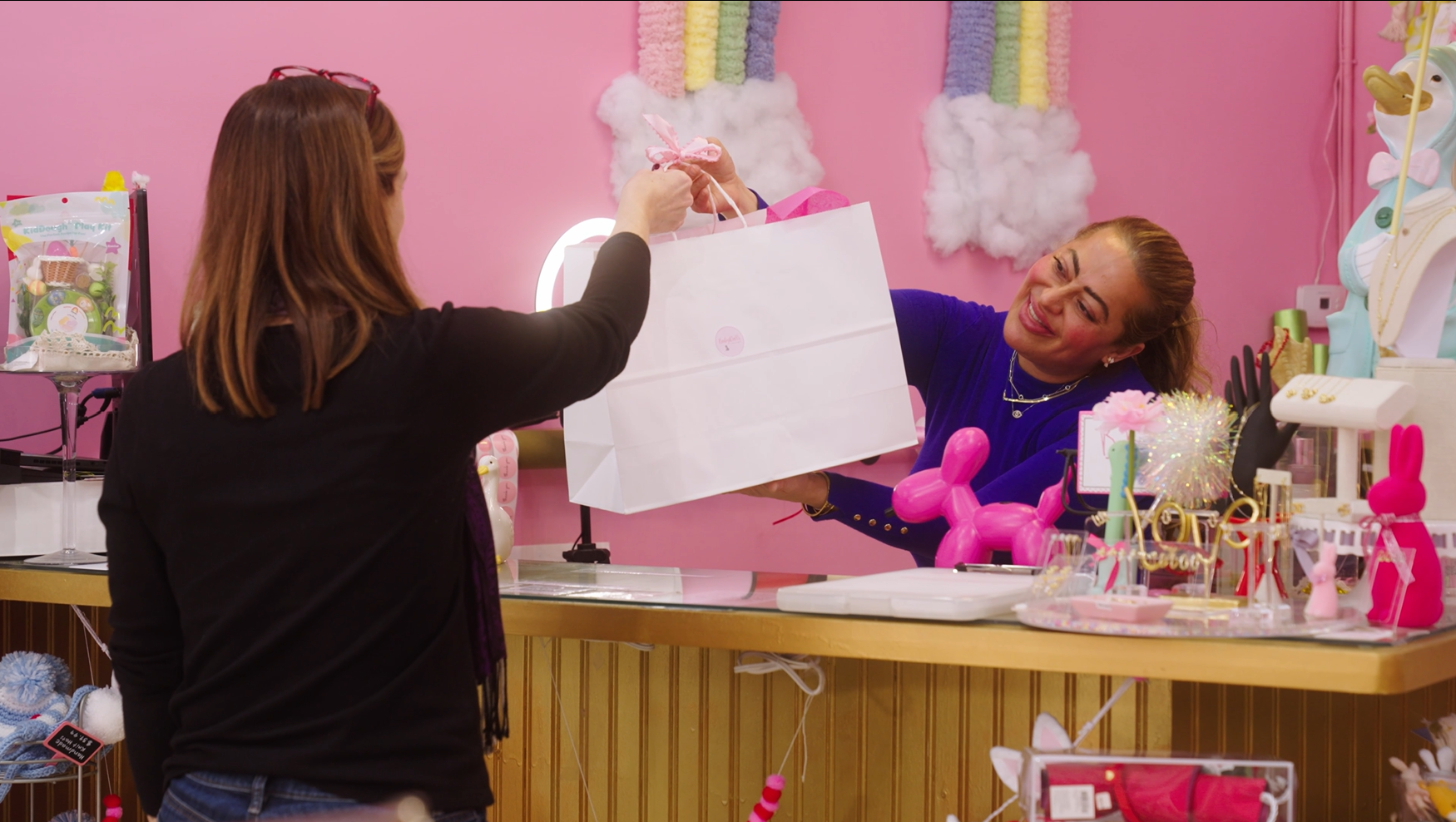
It sounds simple, but knowing your customers by name is one of the most effective community-building tools you have. When a customer walks in and gets greeted by name, along with a question about their personal life, they feel seen. That kind of personal attention is memorable and can turn a one-time shopper into a regular.
Encourage your team to learn regulars’ names, remember their preferences, and start real conversations. If you have a loyalty or email program, you can use it to jot down small details, like a customer’s favorite brand or an upcoming birthday. Strong relationships are also a cornerstone of customer loyalty, so if you want to take this further, check out our guide on building customer loyalty in retail.
6. Offer Workshops and Classes
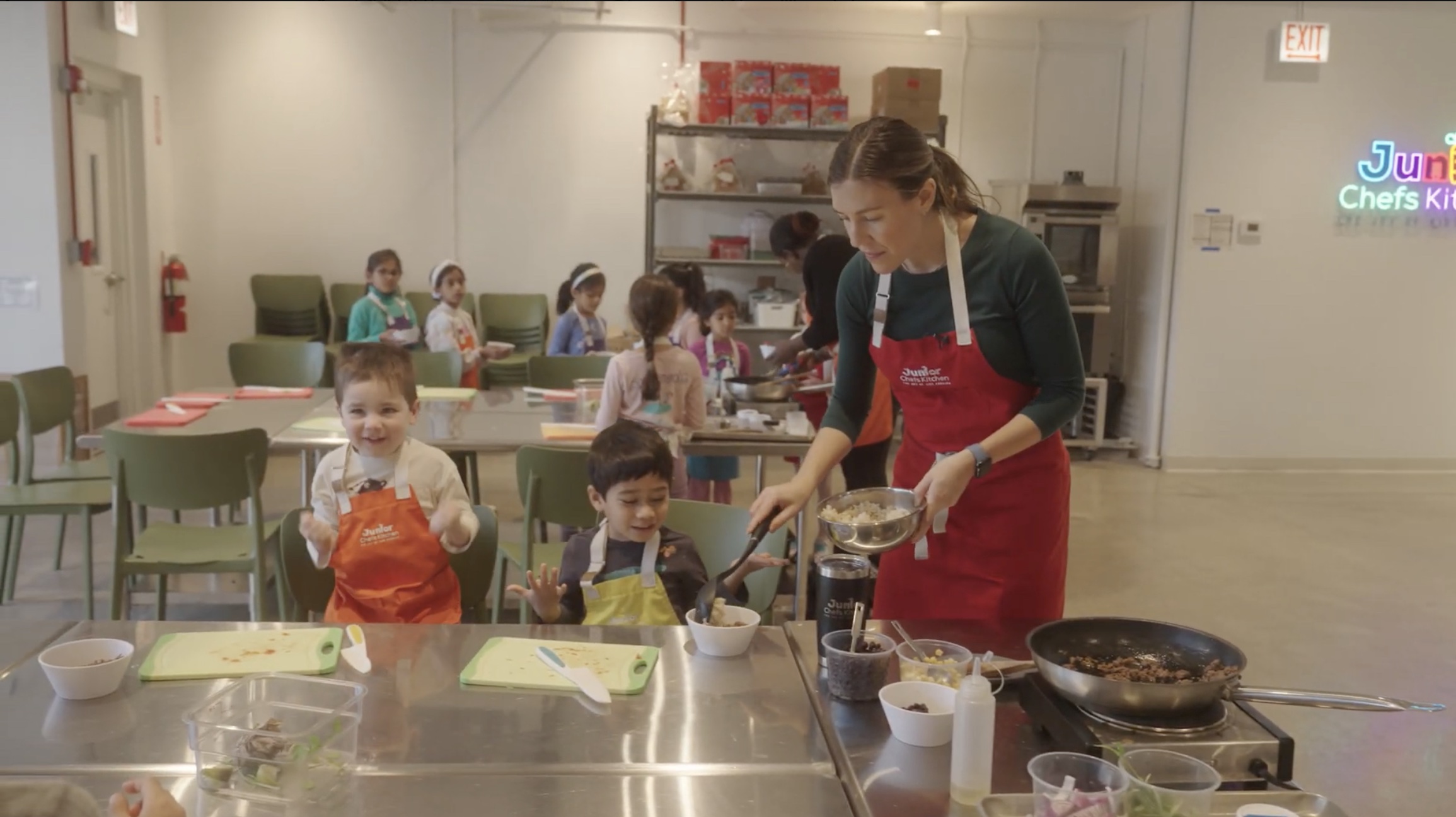
Workshops give customers a reason to visit your store. They create opportunities to learn something new, try products firsthand, and connect with others who share similar interests. A plant shop could teach repotting basics, a kitchen store could host a cooking class, or a boutique could offer a personal styling session. These events give your staff a chance to share their knowledge, demonstrate products, and build relationships with attendees.
The connections made during these events can encourage customers to return, especially when they get to know other attendees and become part of a regular group. You can even consider hosting a recurring series, including monthly classes or seasonal workshops, to give customers something to look forward to. From there, encourage attendees to bring a friend, share photos from the event, or sign up for the next session before they leave. Over time, these experiences can turn shoppers into familiar faces who feel connected to your store and the people who shop there.
7. Create a Community Board in Your Store
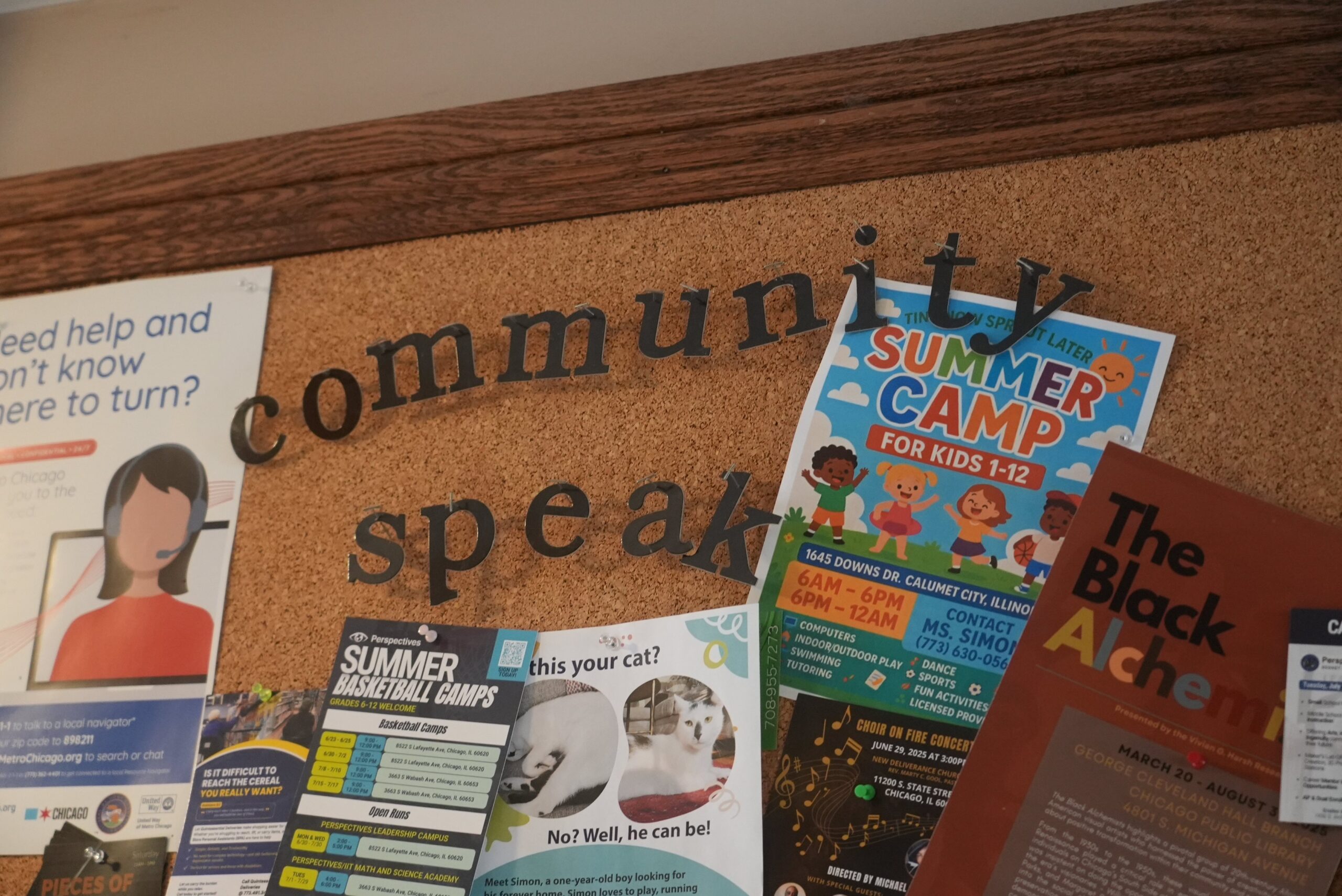
Building community means helping customers stay connected to what’s happening in their neighborhood. Set up a community bulletin board near your entrance or checkout area where customers can find local event announcements, small-business flyers, volunteer opportunities, school fundraisers, and other neighborhood updates.
Invite customers and nearby organizations to submit announcements, recommend local events, or share opportunities they think others would enjoy. Rotate the content regularly to keep it relevant, and consider featuring a different local organization each month. This small addition gives shoppers a reason to engage with what’s happening around them and reinforces your store’s role in the neighborhood.
8. Ask for Feedback and Involve Customers in Decisions
A community works both ways. When you invite your customers into the conversation, they feel like valued members of your store’s story. Use social media platforms or display QR codes at your register to invite shoppers to weigh in on seasonal displays, vote on a new item or store design, or choose your next event theme.
Then close the loop. When you act on a suggestion, tell customers, whether through a sign by the register, an email, or a social post. Customers who see their ideas turn into action develop a real sense of investment in your business. If you’re also thinking about other rewards that can deepen that investment, our post on what a winning retail loyalty program looks like is a great place to start.
Conclusion
Understanding how retailers can build a community comes down to showing up for the people around you. Whether you start with a monthly event, a local partnership, or simply learn your regulars’ names, every small effort adds up to a stronger bond with your customers and a stronger business overall.
Retailers of every size compete on price, selection, and convenience, but real, personal relationships are what keep customers coming back. Lean into that connection, and your community will carry your business forward.
For more practical insights designed to help Illinois retailers strengthen their businesses, explore the IRMA Retail Masterclass and access more retail ownership resources, pathways, and insights.