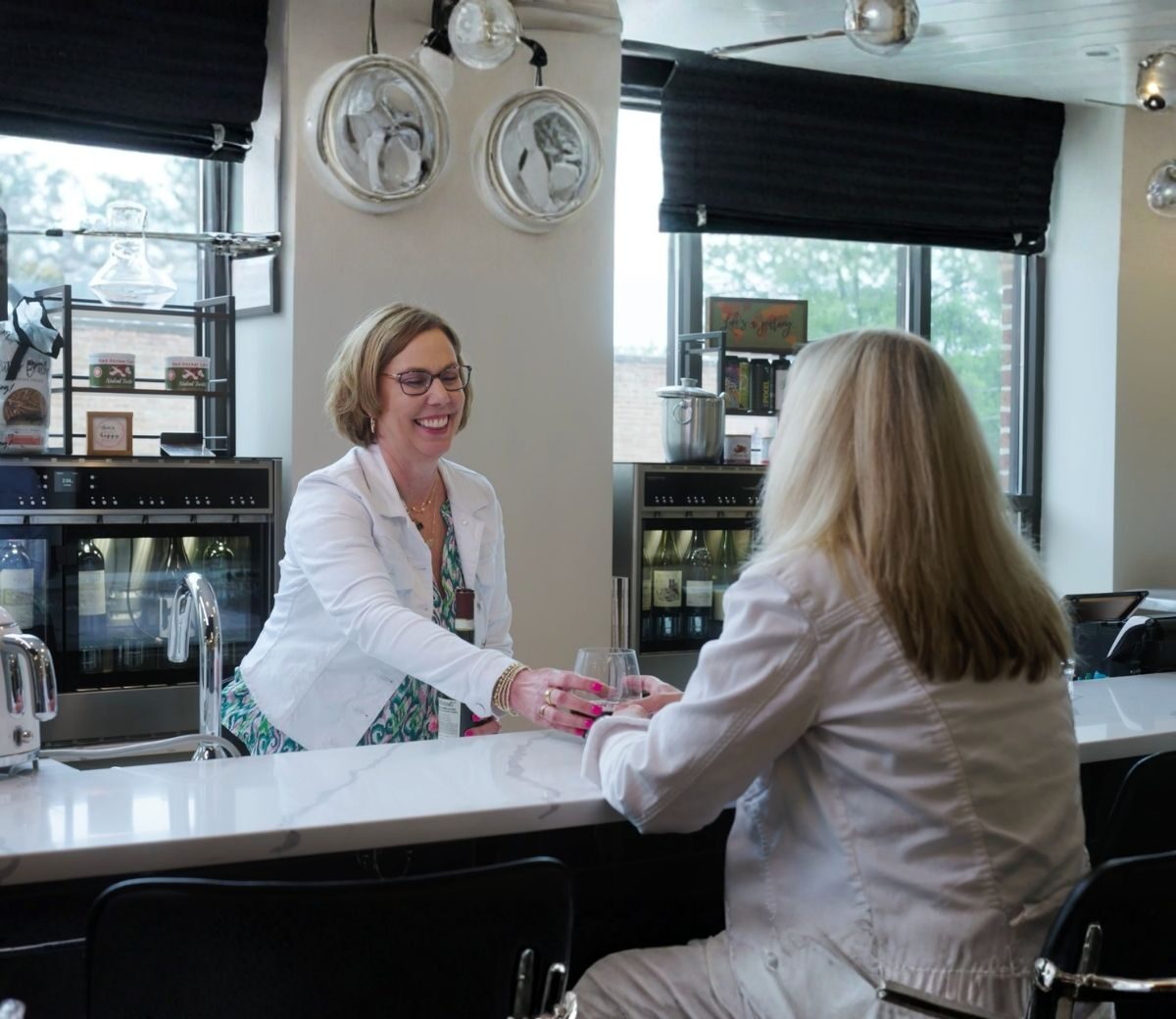
Retail can be your launchpad to success in any field.
For Niky Sampedro and David Barsoum, co-owners of Carefully Picked in Chicago, retail was the first stepping stone for their career.
Neither of them had formal retail experience, but through resourcefulness, curiosity, and a constant grind, they turned a side hustle into a thriving business.
Read their story to learn nine transferable retail skills that will carry you through any industry.
1. Retail Helps You Build Curiosity
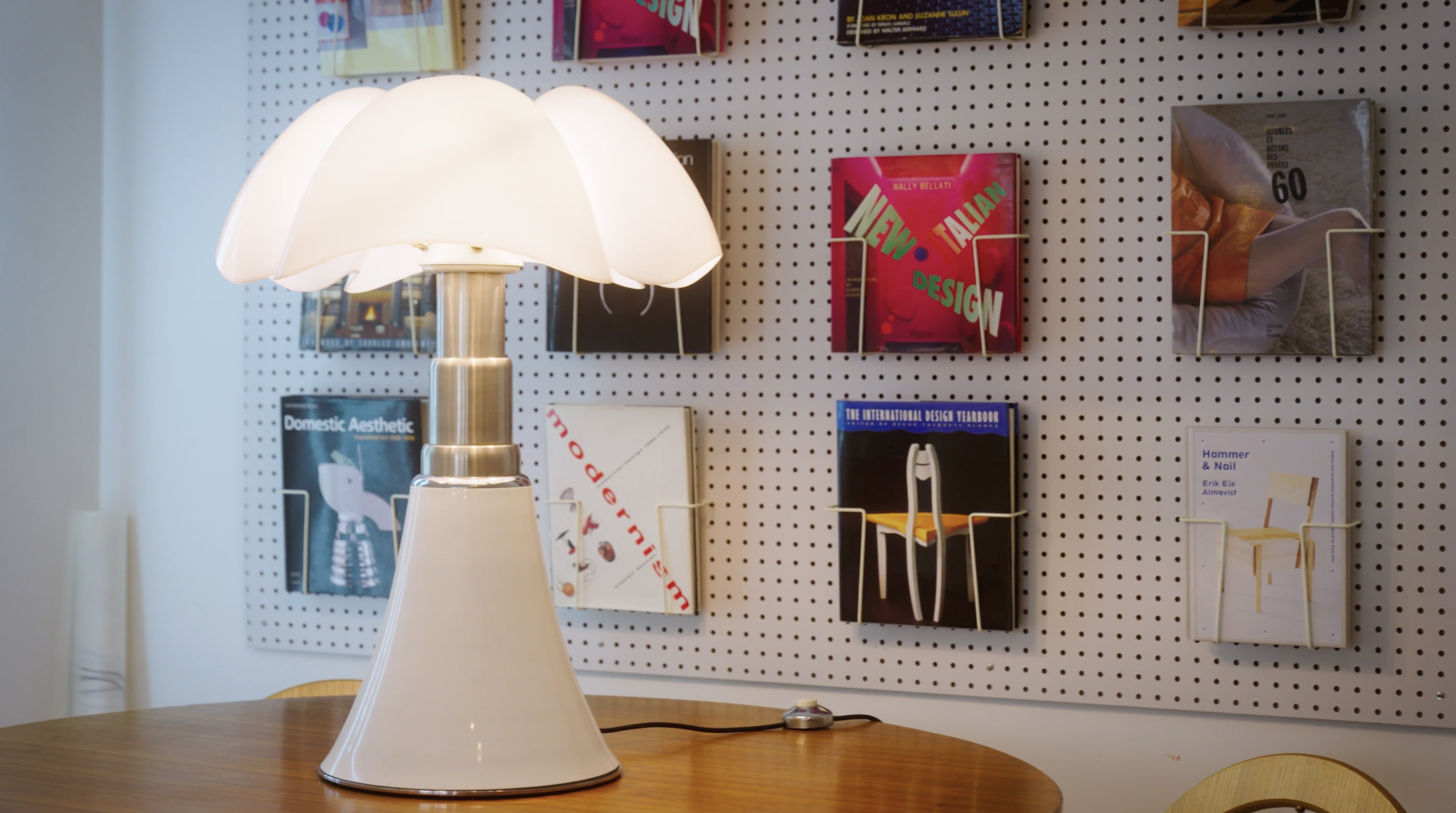
Niky and David didn’t plan to launch a retail brand. Initially, they were just searching for mid-century modern furniture that fit their budget and personal taste. Their early finds came from Facebook Marketplace and Craigslist, which they used to decorate their apartment. Over time, they realized they had an eye for pieces that others wanted too.
What set them apart was their curiosity. They learned through design books, explored vintage stores across Chicago, and asked questions. They were comfortable not having all the answers and were motivated to find them.
Staying curious helps you better understand your customers, discover new trends, and uncover smarter ways to run your business. Try asking “why” more often, exploring what works for others, or experimenting with new ideas in your retail position. Curiosity is one of the most valuable, transferable retail skills because it drives growth, innovation, and a deeper connection with your audience. Stay curious, and it’ll benefit you in whatever job you do next.

2. Retail Helps You Have an Eye for Customer Needs
Retail is about what you sell, but more importantly, it’s about who you sell to. Carefully Picked attracts a wide range of shoppers, mostly young professionals ready to invest in their homes. These customers care about design, history, and finding something special.
Instead of offering a transactional experience, Niky and David guide customers with context and care. They explain a piece’s background, answer design questions, and help people feel confident in their investment.
Mastering the ability to listen, explain, and connect with customers is a key part of building transferable skills in retail. When you develop these capabilities, you’ll find yourself prepared for any leadership role. You’ll be able to easily build trust with others, inspire teams, and create lasting customer relationships.
3. Retail Allows You to Navigate Uncertainty with Confidence
Retail is full of unknowns. For Niky and David, starting as an online and Instagram-based business meant constantly adjusting to algorithm changes, drops in engagement, and the pressure to keep their content fresh. That instability pushed them to open a physical storefront, which came with a new learning curve.
From business licenses and insurance to city permits and financial risk, they had to figure it out fast. Even now, slow seasons or unexpected costs require them to adapt and stay calm under pressure.
Retail will teach you resilience. Here’s how:
- You’ll learn to pivot quickly: Retail forces you to adapt and keep going.
- You’ll get comfortable with discomfort: When things don’t go as planned, you’ll learn to lead through uncertainty.
- You’ll make decisions under pressure: Dealing with customer issues and managing supply chain delays will sharpen your problem-solving skills on the fly.
These are skills that can serve you far beyond the store. The more challenges you face, the more confident you become in your ability to handle whatever comes next.
4. Retail Helps You Build Real-World Business Skills
Niky and David manage shipping, pricing, sourcing, vendor relationships, design consultation, and social media, all while working with a small team. They stay hands-on, through tasks like coordinating international shipping containers and sourcing local metalworkers for custom furniture repairs.
Retail experience gives you a real edge in developing transferable retail management skills like logistics, project coordination, and financial planning. These competencies can translate to any industry or entrepreneurial path.
5. Retail Helps You Build Networking Skills
Chicago’s vintage scene is full of competition and collaboration. From day one, Niky and David leaned on fellow store owners for advice and inspiration. They learned how others ran their businesses, sourced products, and built loyal customers.
Now, they return the favor.
“One of us wins, we all win,” says Niky.
That belief has led them to point customers to other stores and share sourcing tips with their fellow retail owners, so that everyone in their community can see success.
In retail, you’ll learn to network. Networking is a fantastic skill that can take you far. By showing up, helping others, and staying connected, you’ll grow a solid reputation that can lead to future partnerships, job offers, and genuine support.
6. Retail Helps You Start Strong
It doesn’t matter what type of work you’re doing. Take it seriously! Niky and David didn’t fully lean into business mode until they opened their physical store, but they wished they started sooner.
Here’s what they learned:
- Get professional help early: Hire an accountant, understand licensing requirements, and become familiar with taxes before launching your store. It saves you from scrambling later.
- Build infrastructure sooner: Transitioning from a casual seller to a store owner means embracing systems, like inventory management and vendor relationships.
- Know the legal stuff: Research and understand what’s required to run a legitimate business in your area, including permits, insurance, reporting, etc.
- Respect the work: Passion fuels creativity, but planning and processes sustain growth.
Starting strong means you’re being intentional, not reactive. It helps you handle both the setbacks and the wins with focus and clarity.

7. Retail Helps You Balance Creativity with Strategy
Niky and David didn’t just have an eye for beautiful pieces. They learned how to balance creative vision with smart business strategy. Curating museum-worthy European designs and deciding when to invest in a brick-and-mortar storefront required both inspiration and calculation.
David, who transitioned from earning his PhD in organic chemistry to running Carefully Picked full-time, had to apply analytical thinking to inventory planning and financial decisions. Meanwhile, Niky brought her journalism and brand strategy background into storytelling, merchandising, and customer engagement.
Retail demands that you think creatively while managing logistics and operations.
These are powerful retail management transferable skills that you can apply to marketing, operations, entrepreneurship, and even corporate leadership, making you a strong asset to any team.
8. Retail Teaches You How to Make High-Stakes Decisions
When you’re sourcing one-of-a-kind vintage furniture from Europe, sharing a shipping container with other dealers, and investing in pieces that may take weeks or months to sell, every decision carries weight.
Niky and David don’t have the luxury of mass inventory or easy returns. They evaluate authenticity, study design history, consult reference books, and rely on experience before committing to a purchase.
For them, retail built their ability to:
- Assess risk quickly
- Trust research and expertise
- Make informed financial decisions
- Stand confidently behind their choices
This applies to you, too. In any industry, leaders are expected to evaluate information, weigh risk, and make decisions without perfect certainty. The stakes may start in a retail store, but the skills will stay with you for life.
9. Retail Develops Partnership and Team Leadership Skills
Working in retail often means working closely with others, and in Niky and David’s case, that includes building a business as partners.
They openly acknowledge that they each have strengths: Niky thrives in organization and administrative operations, while David focuses on sourcing and financial strategy. Their success depends on staying in their lanes, communicating clearly, and respecting each other’s expertise.
In retail, you’ll learn how to divide responsibilities strategically, collaborate under pressure, navigate disagreements productively, and lead without ego. These collaborative abilities are essential retail transferable skills that can be applied to corporate teams, startups, and nonprofit leadership. Learning how to work alongside others, especially when the stakes are high, prepares you for long-term career growth in any environment.
Conclusion
Retail work teaches you far more than how to sell. It teaches you how to listen, problem-solve, adapt, and lead. The skills you gain, often quietly, build a foundation you can carry anywhere.
Niky and David didn’t wait for permission to start. They leaned in, got creative, and built something lasting. Their journey shows how retail transferable skills can build confidence, character, and community. If you’re considering building a future in retail, these retail skills will set you apart as a leader in the industry.
We Are Retail is committed to highlighting Illinois’ diverse and dynamic retailers. If you loved learning about the story of Carefully Picked and know a retailer who deserves recognition, Nominate A Retailer!