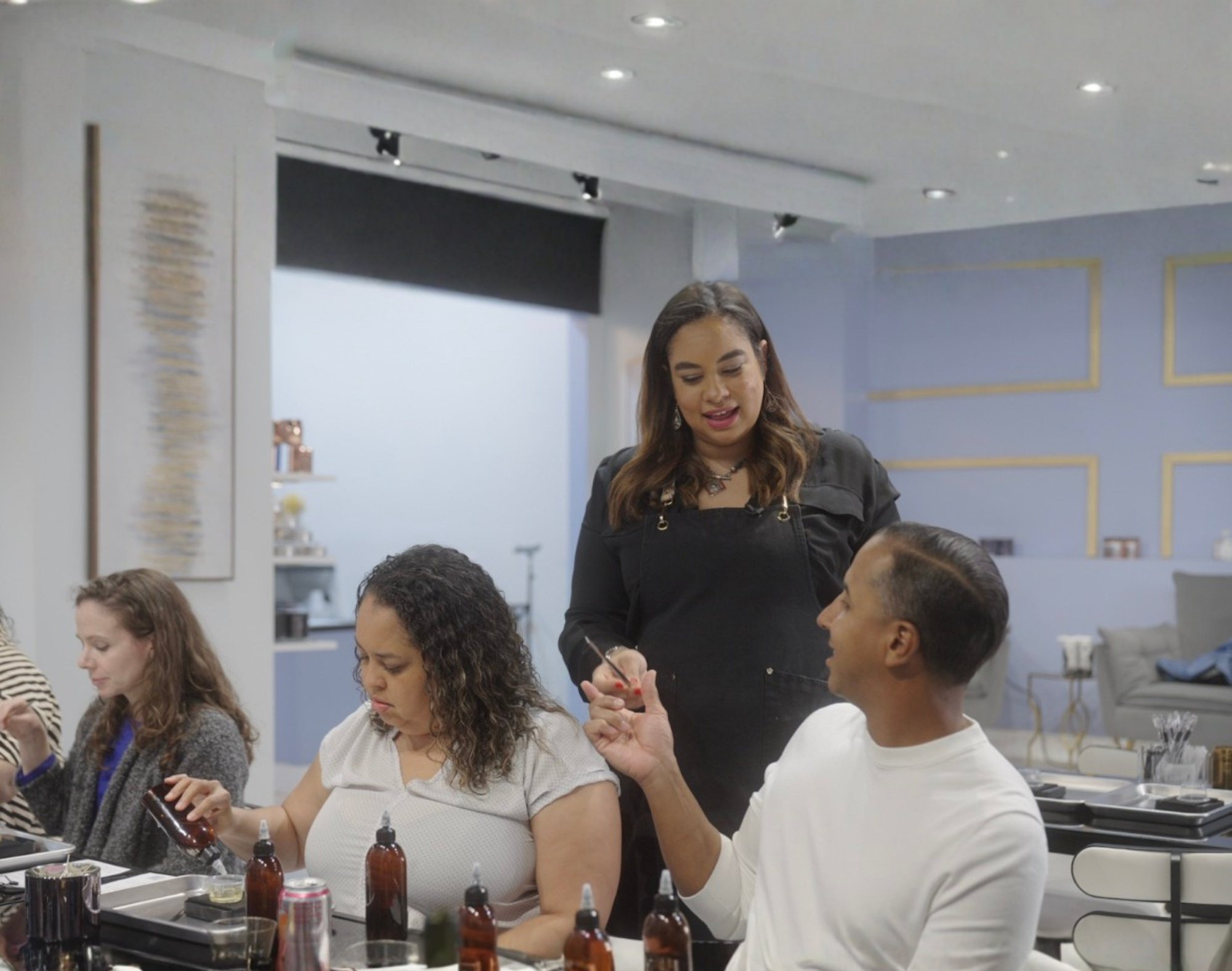
When it comes to skill-building, retail is often misunderstood.
Ask most people what they picture when they think of a retail job, and you’ll likely hear words like “entry-level,” “temporary,” or “just a stepping stone.”
But that picture is incomplete.
For those in retail and looking to grow their career, a good retail apprenticeship program offers something more substantial. It combines online retail instruction with hands-on training, giving you the foundational knowledge and the real-world practice to develop marketable skills that serve you throughout your entire career.
So, what skills do you learn in a retail apprenticeship program? Read on to learn more.
Core Skills You Build in a Retail Apprenticeship
A retail apprenticeship is designed to build the skills that employers look for every day. Through online retail instruction and hands-on experience, apprentices learn how to communicate effectively, solve problems, work as part of a team, manage responsibilities, and deliver strong customer experiences. While the exact skills may vary by role and program, the goal is to help participants develop the practical abilities needed to succeed in retail and prepare for future career growth.
Here are eight core skills you can expect to learn in a retail apprenticeship.
1. Customer Service and Relationship Management
Retail is all about customer relationships. Mastering the art of great customer service means learning how to de-escalate a frustrated customer, ask the right follow-up questions, and recover gracefully when something goes wrong. These are practiced skills, and a retail apprenticeship is where you develop the instincts behind them.
A few things retail apprentices learn to do well:
- Acknowledge a customer’s frustration before jumping to a solution.
- Ask open-ended questions (“What brings you in today?” rather than “Can I help you?“) to get more useful information.
- Follow up after a sale or service issue to build trust and encourage repeat visits.
These habits become second nature with repetition and play a major role in customer satisfaction, retention, and long-term business growth across retail and other industries.
2. Sales Techniques and Product Knowledge
To move product off the shelves, apprentices must learn how to sell. Strong retail professionals will guide buying decisions and help customers feel confident about their purchases.
In practice, this means learning how to:
- Read buying signals, like when a customer lingers on a product or asks detailed questions.
- Match a product’s features to a specific customer’s situation and request.
- Handle customer objections like “I need to think about it” by addressing their real concern with the product.
Product knowledge is a big part of this. Apprentices who know their inventory well can make connections that a less informed salesperson would miss entirely. That kind of knowledge is learned during an apprenticeship and builds trust and loyalty that keep customers coming back.
3. Inventory and Logistics Management
Behind every well-stocked shelf is a proven inventory management system. Apprentices will learn how inventory systems work from the ground up. This could include receiving and checking in shipments, maintaining accurate stock counts, identifying shrinkage, and understanding the reordering process.
What makes this retail apprenticeship skill valuable across industries is the operational mindset it builds. An apprentice who learns to spot a receiving discrepancy early or flag a product that keeps going out of stock helps protect sales, reduce operational inefficiencies, and ensure customers can find what they need when they need it.
4. Point-of-Sale Systems and Retail Technology
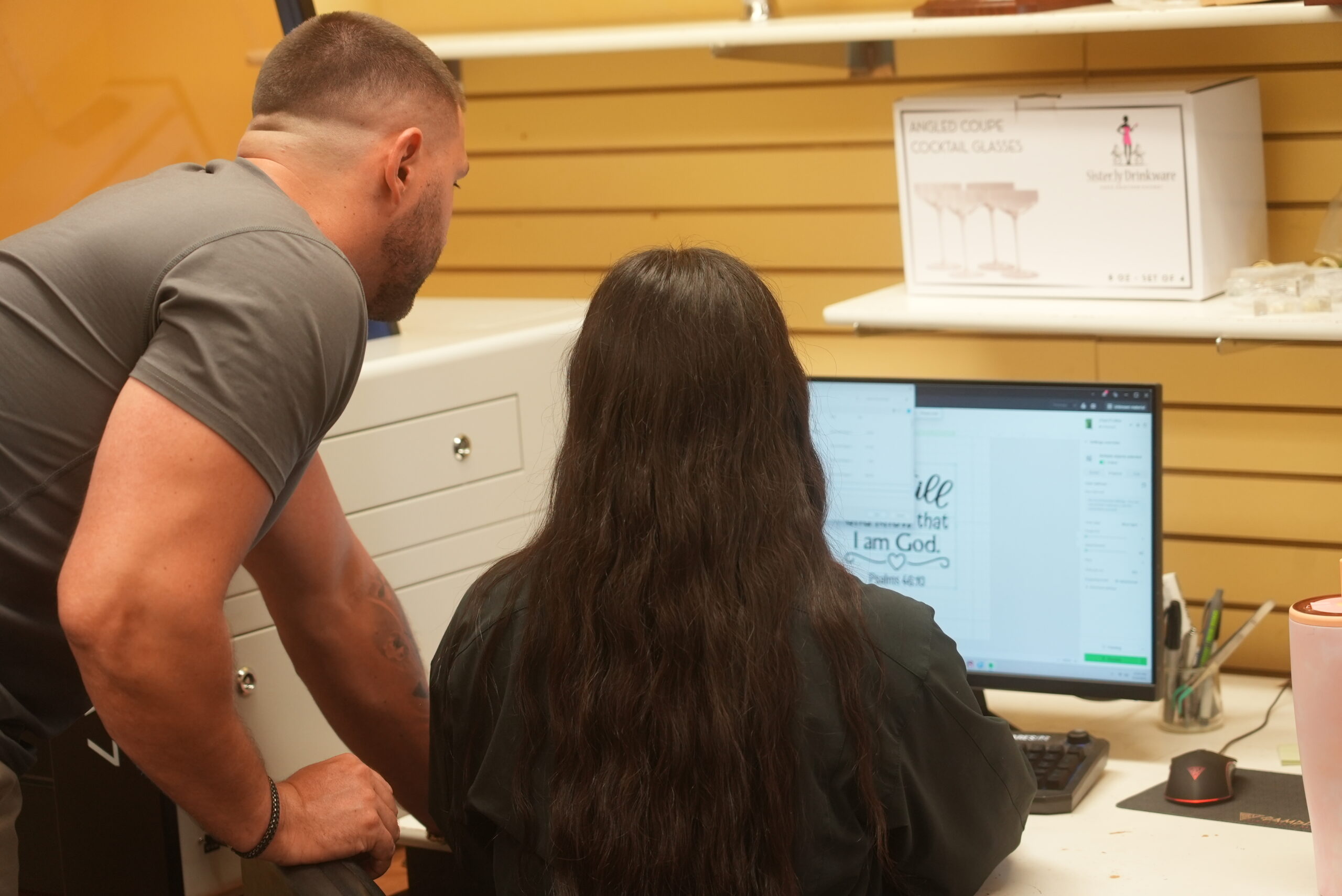
Modern retail runs on technology. In a retail apprenticeship, you’ll gain real fluency with the tools that power it. That means navigating management systems, pulling basic sales reports, applying discounts and overrides correctly, and troubleshooting common errors without having to call for help every time. This especially occurs when in a managerial role.
The more comfortable an apprentice becomes with retail technology, the more efficiently they can serve customers, solve problems, and support day-to-day operations. In a fast-paced retail environment, confidence with these systems helps keep transactions accurate, lines moving, and customers satisfied.
5. Visual Merchandising and Store Presentation
A store’s presentation plays a big role in the bottom line. Since customers often make buying decisions within seconds of seeing a display, apprentices can learn the importance of visual merchandising.
Visual merchandising is the practice of arranging products, displays, signage, and store layouts to attract customers and encourage purchases. This means understanding how to follow a planogram (a visual diagram that tells retail employees where products should be placed), build a seasonal floor set, and use product placement to guide a customer’s eye toward high-margin or featured items.
By creating organized, engaging shopping environments, you help to improve the customer experience while supporting the store’s overall sales goals.
6. Teamwork and Collaboration
Retail shifts require real-time coordination. On occasion, you might be covering for a team member, communicating policy mid-rush, or dealing with a customer. Apprentices quickly learn that being a strong team member means communicating proactively and being willing to see beyond just their own needs to those of their colleagues and customers.
Specifically, this looks like:
- Giving clear, concise handoffs so nothing falls through the cracks between shifts.
- Flagging problems to a manager early, before they become bigger issues.
- Adjusting your communication style depending on who you’re talking to, whether that’s a colleague, a manager, or a vendor.
Practicing these retail skills helps create a more efficient and supportive workplace. When teams communicate effectively and work together toward shared goals, stores are better equipped to deliver consistent customer experiences, even during their busiest moments.
7. Problem-Solving Under Pressure
In retail, no two shifts look the same. A delivery can arrive short, a customer could want a return outside the policy window, or the POS system could freeze during a Saturday rush. That means that apprentices have to learn how to assess what they can control and make the right call.
That skill matters more than most people realize. Retail moves fast, and managers can’t be everywhere. As an employee, knowing how to stay calm under pressure, weigh your options quickly, and act with confidence is what separates an average team member from someone ready to lead. For anyone eyeing a supervisory or management role, this is where that path starts.
8. Leadership and Accountability
As an apprentice progresses, they’re often given increasing responsibility, including opening or closing the store, supervising a section, or training newer team members. These aren’t ceremonial tasks. They require you to set the tone, hold standards, and answer for outcomes.
These experiences also provide a firsthand look at what it takes to keep a business running successfully. A retail apprentice will begin to understand how daily decisions affect customer experiences, team performance, and overall store operations. This broader perspective helps them think outside of their individual responsibilities and develop a stronger understanding of how successful teams and businesses operate.
Retail Skills That Stay With You
The professional development component of a retail apprenticeship is where many participants experience some of their biggest growth, as everyday responsibilities begin to translate into long-term career skills.
Many apprentices develop abilities that may not seem significant at first but become incredibly valuable over time. Written communication is one example. Learning to write a clear, professional email to a vendor about a shipment issue or to a manager about a staffing concern teaches you to organize your thoughts, choose your words carefully, and get to the point. Those are skills that matter in every professional setting.
Verbal communication gets sharpened, too. Presenting a sales recap in a team meeting, walking a manager through a customer complaint, or onboarding a new hire all require you to communicate with clarity and confidence. Apprentices who practice these conversations regularly build a professional presence that is immediately noticeable to future employers.
Beyond communication, apprentices gain a deeper understanding of how businesses operate. Rather than focusing solely on customer-facing responsibilities, they begin to see how different parts of an organization work together to achieve shared goals. This broader perspective helps them think more strategically, make better decisions, and prepare for leadership opportunities.
Along the way, apprentices gain exposure to:
- How store performance is tracked and what metrics actually matter to leadership.
- How to give feedback to a peer without damaging the working relationship.
- How to make a case for an idea or a change to someone with decision-making authority.
Long after the apprenticeship ends, these experiences continue to influence how participants communicate, lead, solve problems, and grow throughout their careers.
Conclusion
A retail apprenticeship is one of the most practical and undervalued ways to launch a retail career. The retail skills you develop, from customer service and logistics to leadership and professional communication, are the kind that don’t expire and don’t go unnoticed.
If you’re already working in retail and looking to strengthen your skills, take on greater responsibility, and advance your career, our Illinois Retail Leaders Apprenticeship program was designed with exactly that in mind.
What makes our program different is its structure. The online retail instruction provides apprentices with the foundational knowledge they need before hands-on training begins, so that when real situations arise, they’re prepared to handle them with confidence.
Learn more about the Illinois Retail Leaders Apprenticeship Program and take the first step toward a career you can grow in.