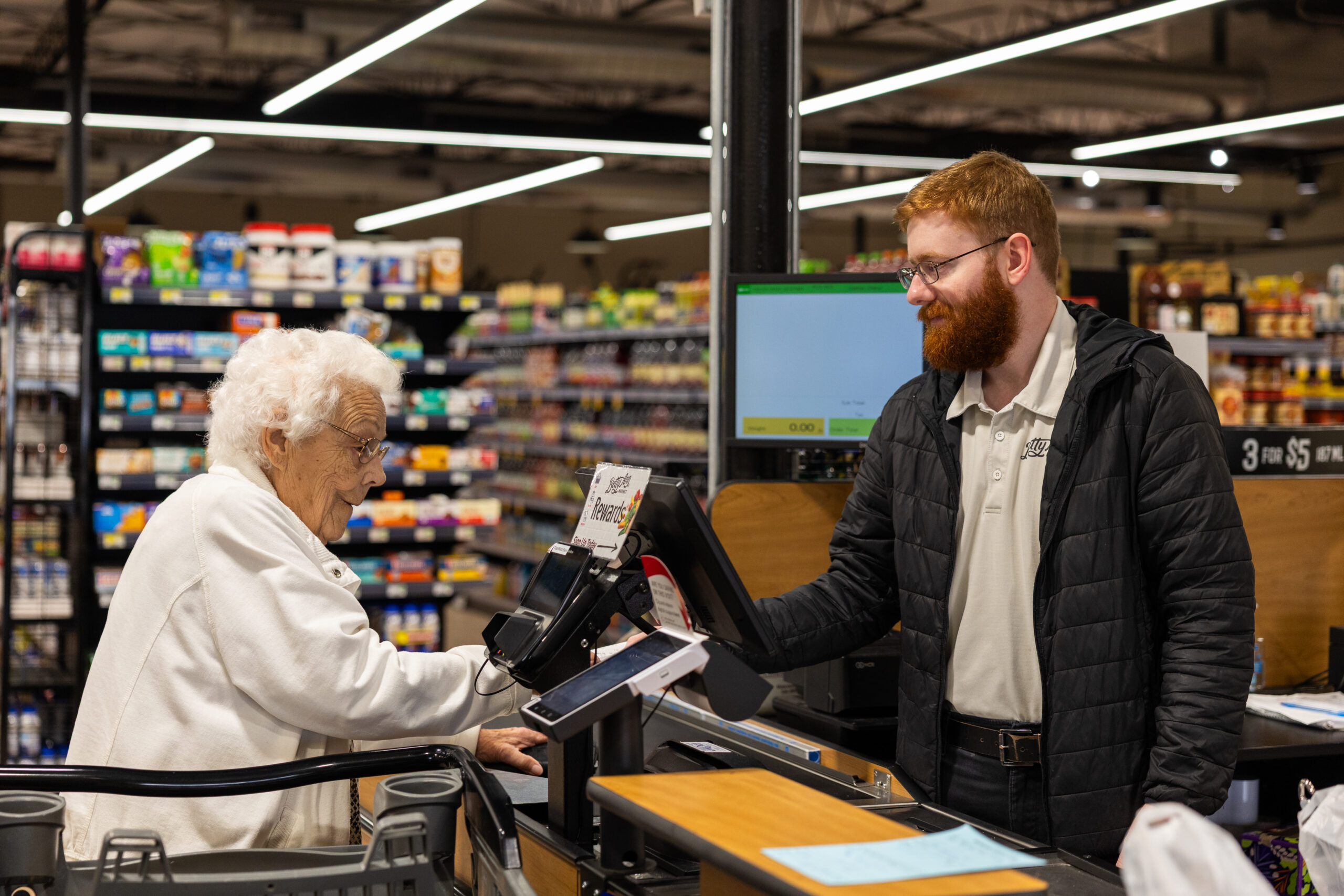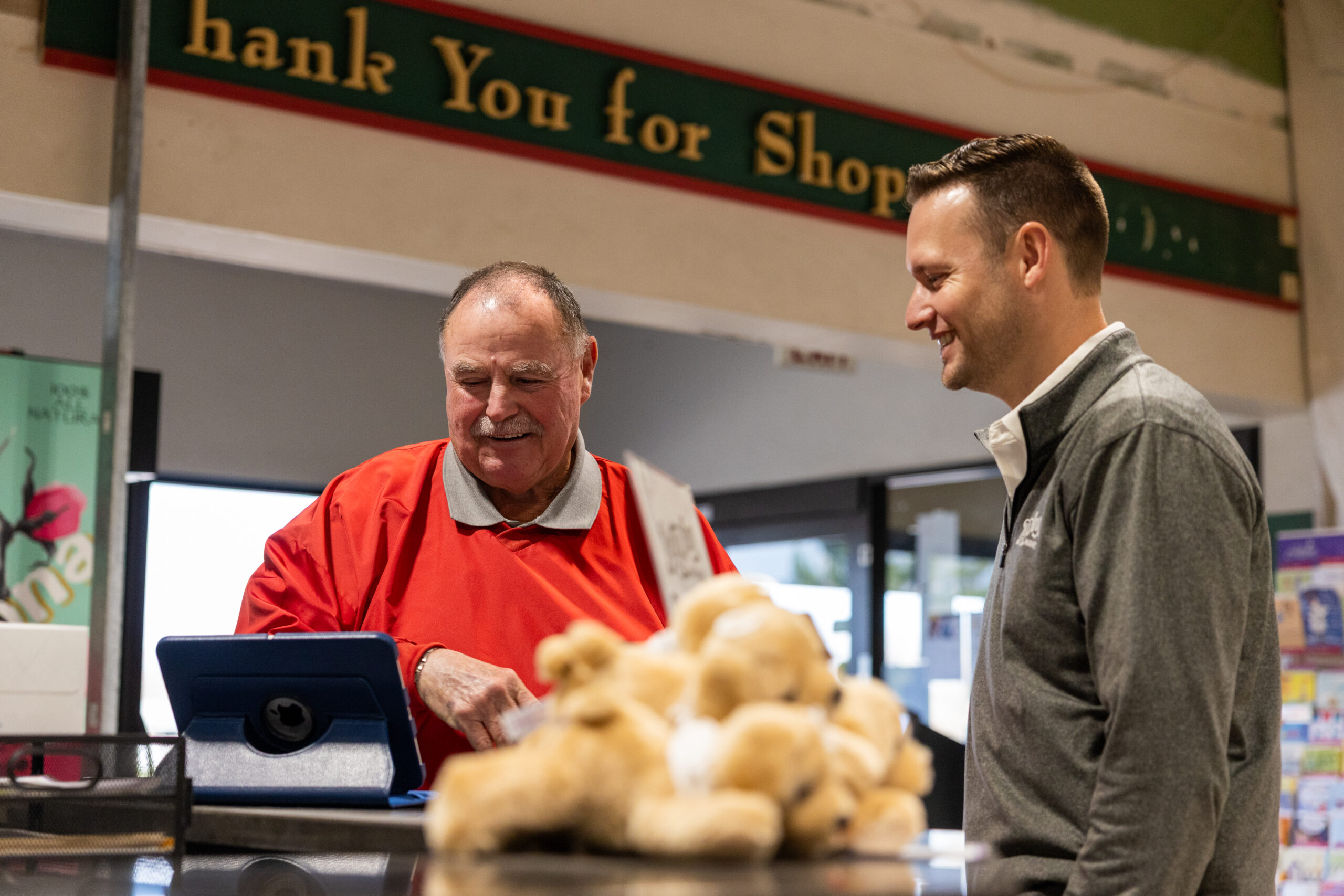
It is pro forma for a business to thank its customers after a purchase, but at Betty Ann Market in the Metro East community of Mascoutah, there is also an earnest commitment to greeting every shopper with a heartfelt welcome.
“Our vision for our grocery company is actually to be the most joyful, prayerful, and thankful grocery company,” said Craig Norrenberns, third-generation owner and director of Betty Ann Market.
The market doors open
For Craig, the path to running Betty Ann Market and three additional, rural supermarkets in Metro East, was anything but a straight line. He studied marketing in college and spent time working in radio, learning the rhythms of promotions and public connection.
“The grocery industry and the family business sometimes calls you right back,” recalled Craig with a smile. “You don’t necessarily choose it, but it chose me.”
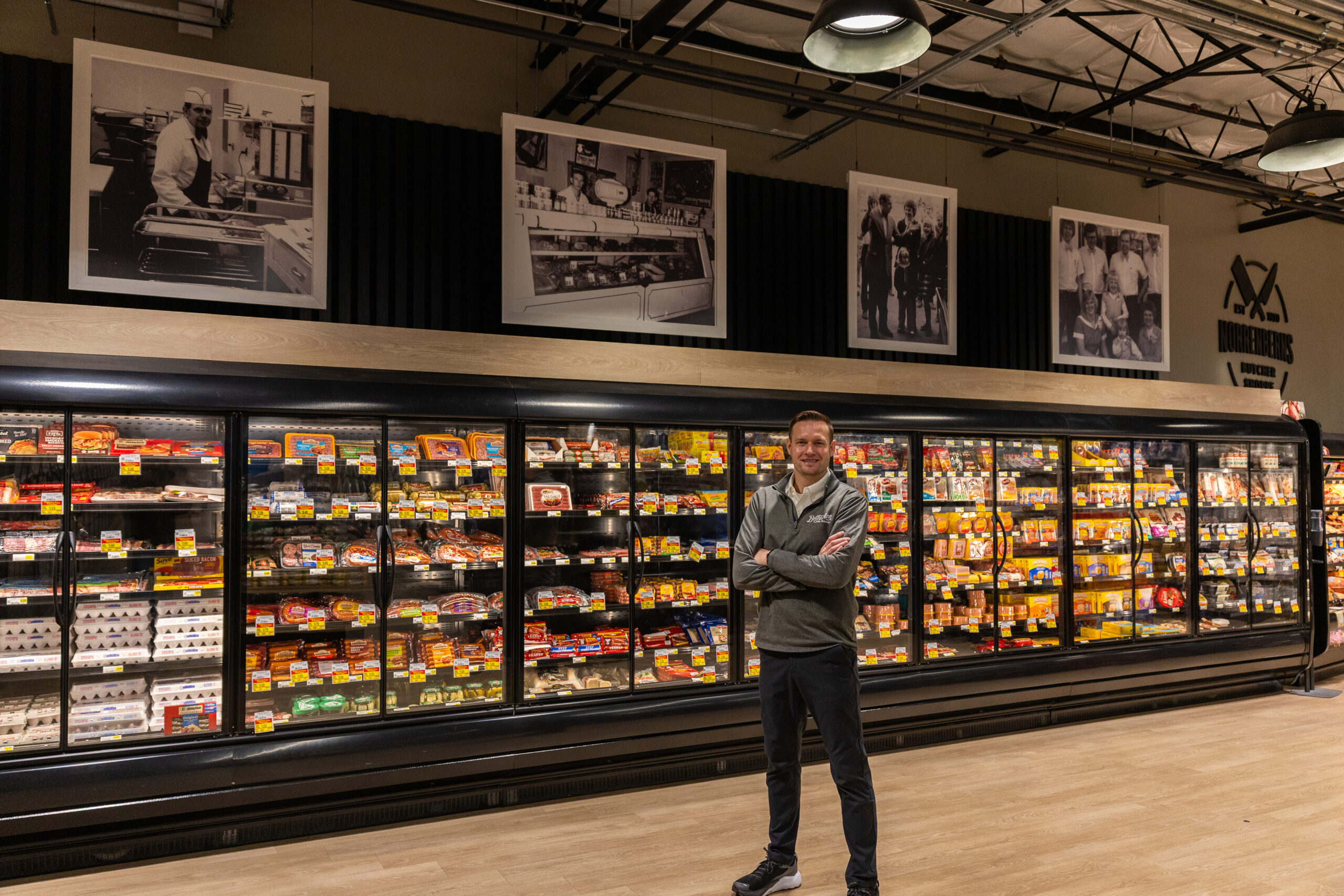
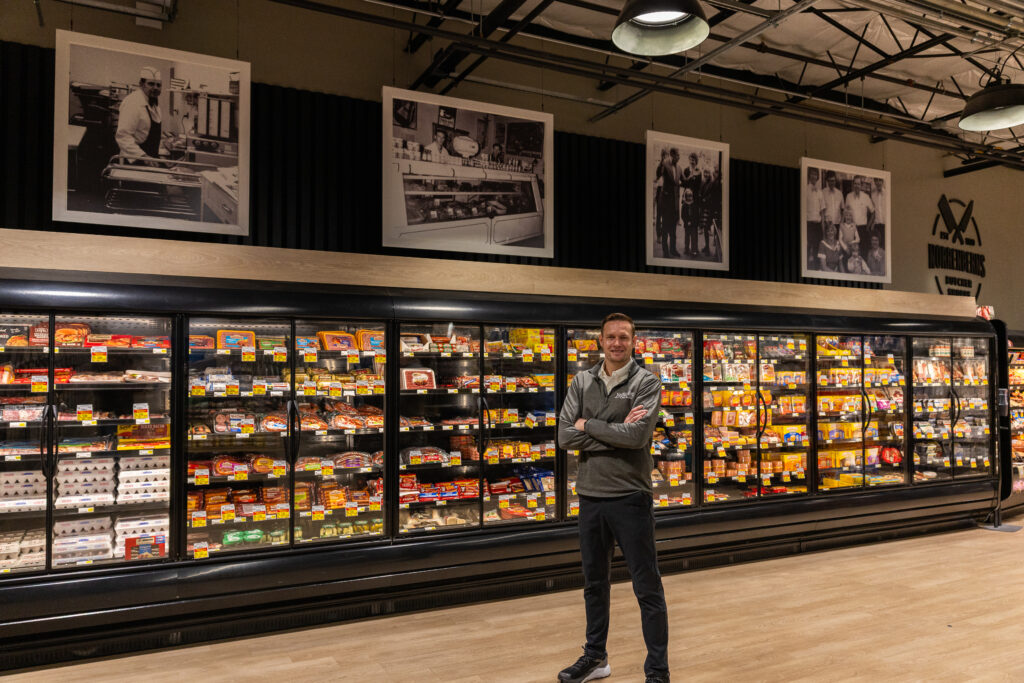
The story of Betty Ann Market stretches back nearly a century to a small corner of Mascoutah, where family and commerce were intricately linked. Craig’s great-grandfather Ben, opened a modest butcher shop in 1930, Norrenberns Meat Market.
“The butcher shop was in front of their home. It was one of those unique corner market type deals,” explained Craig.
That early trade left its mark on the next generation. Craig’s grandfather, Tom, grew up watching his father establish a solid community food market.
“My grandpa, Tom, when he was in high school, learned the meat trade,” noted Craig. “Then, when he got into supermarketing and he started here (Mascoutah) with his first store. At that time, it was called Tom’s Super Market, which was later changed to Betty Ann Market for legal reasons. We chose the best way to honor my grandpa, and that was to show some love to my grandma, who had been working alongside him for many years, but also raising the family and things,” recalled Craig. “We chose to name the store after her. That’s where the name Betty Ann Market comes from.”
Betty Ann Norrenberns, now in her 80s, lives just a short walk away from the market that bears her name.
“My grandma is still with us,” Craig said with a quiet smile. “She likes to get in here and see the progress.”
More than a market
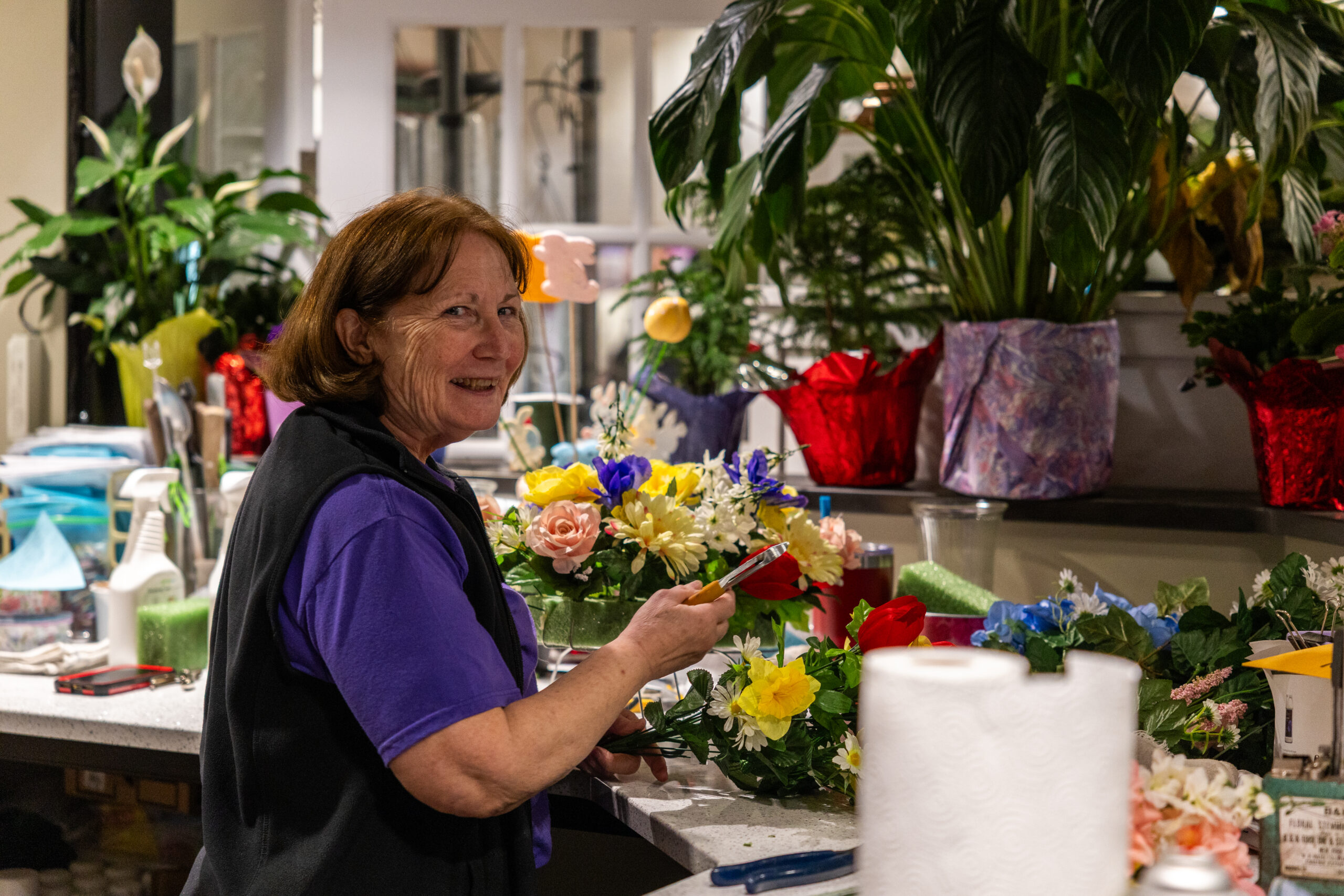
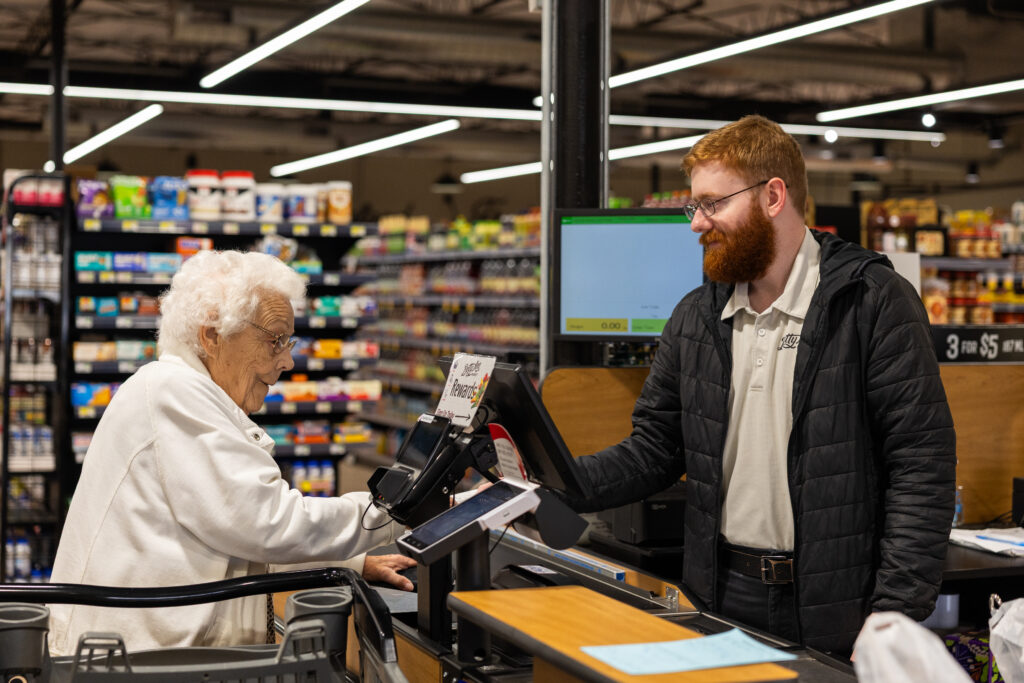
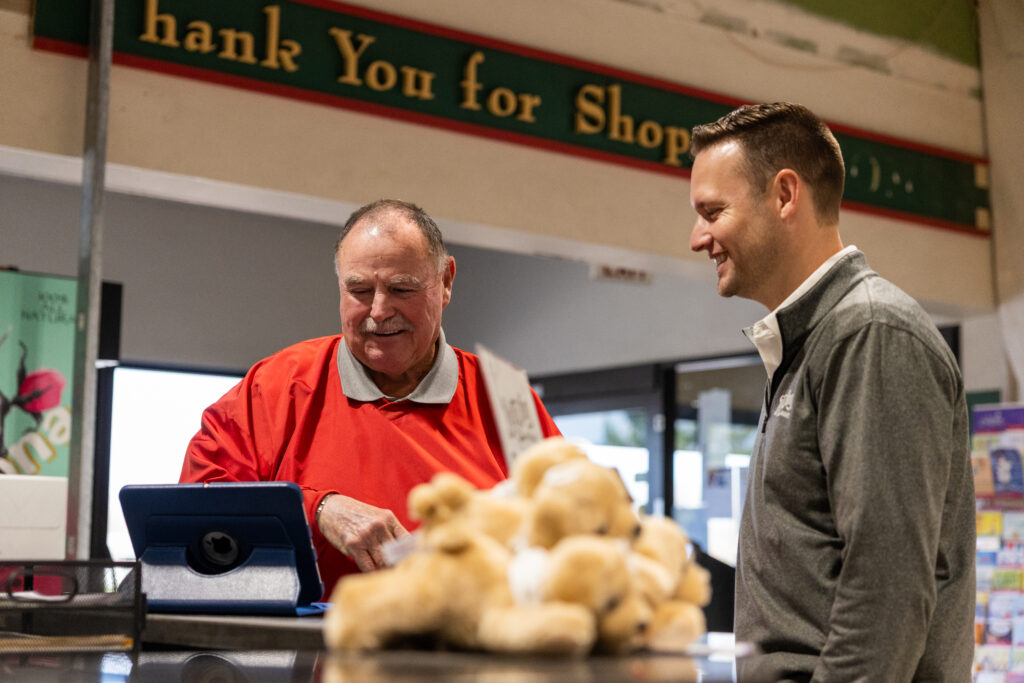
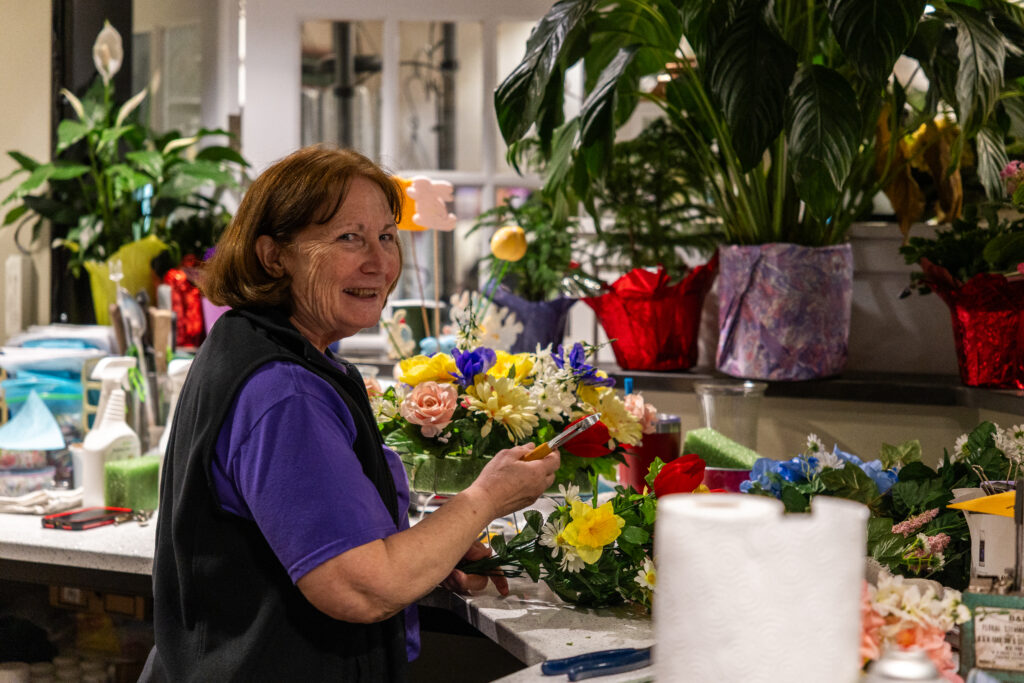
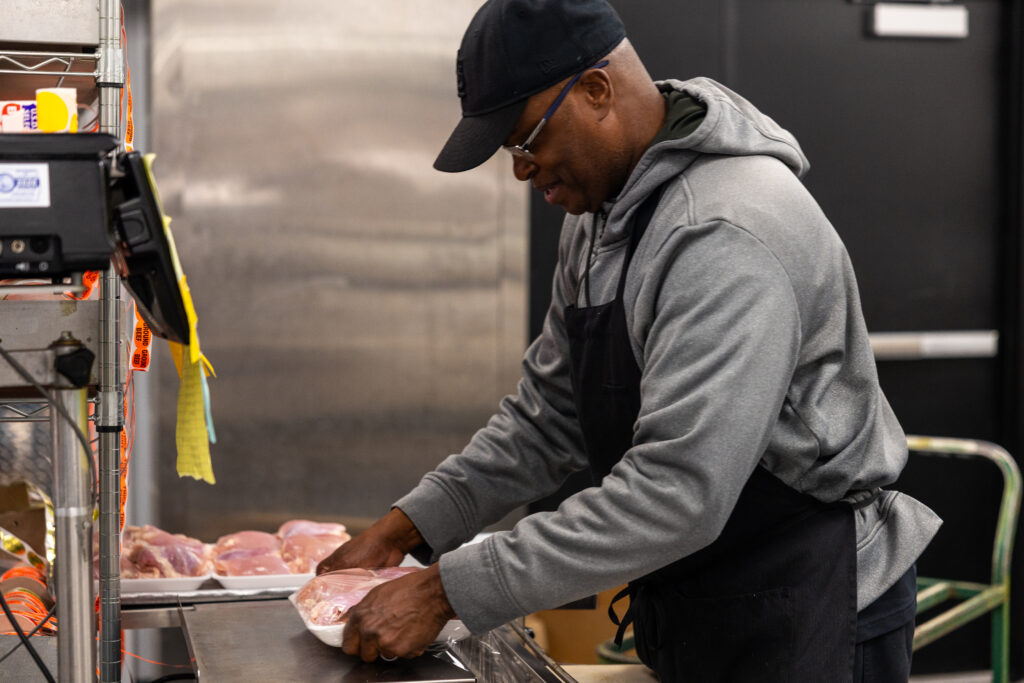
Walk the aisles of Betty Ann Market long enough and a pattern emerges. Employees don’t just stock shelves, they make eye contact with customers and are quick to share a smile.
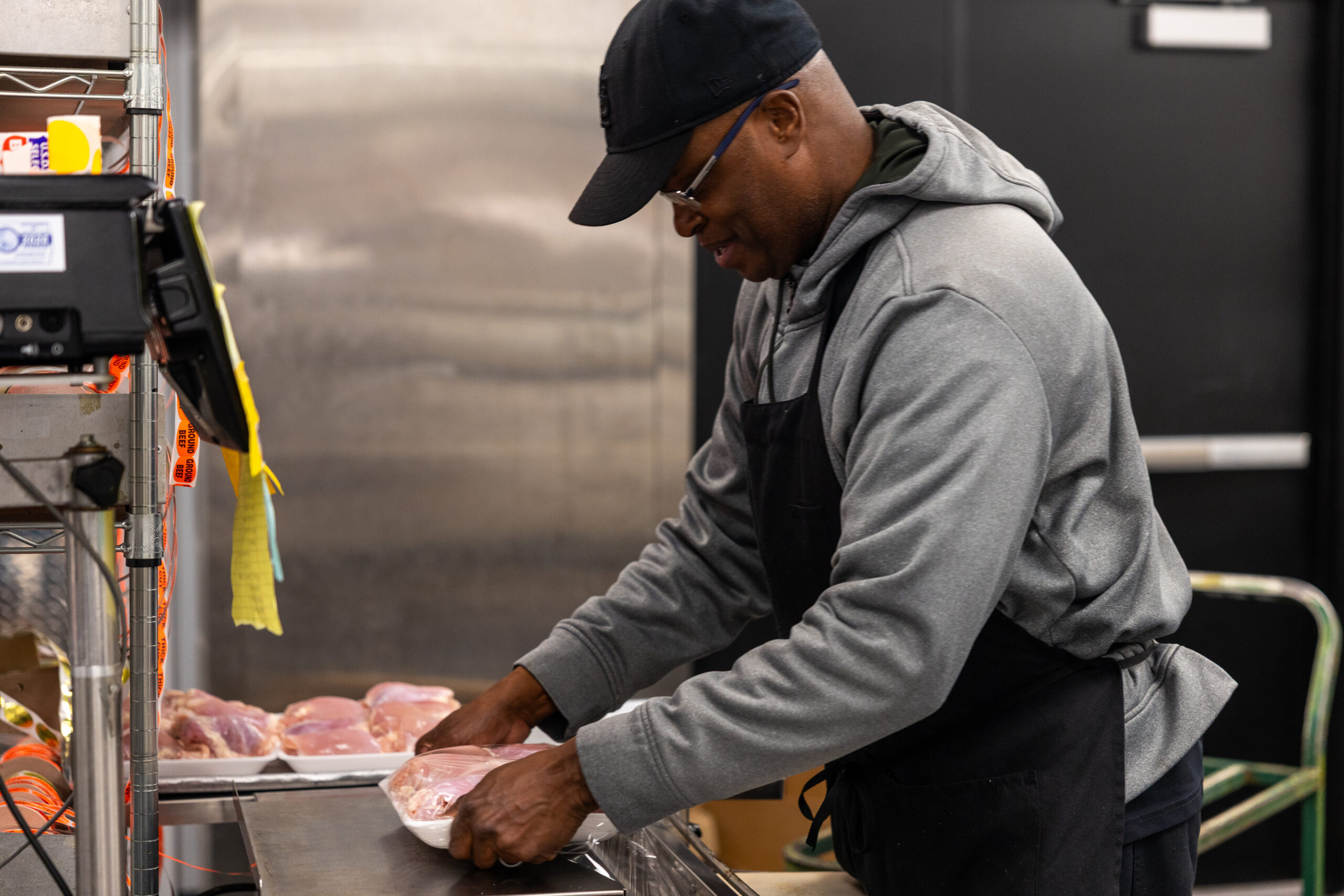
“As an independent grocer, our niche is to serve all the needs,” Craig said. “So, anything from fresh produce to meat, to your staple groceries. We’re trying to meet the services that you would find in a big box store, but in a local way with local service.”
“Everything from the music that you hear when you walk into our stores to the customers being greeted at the front door with a smile,” noted Craig. “We train and ask our associates who work with us to make sure that we’re thanking our guests during their shopping experience. It’s one thing to thank somebody at the end of their transaction when you’re accepting their payment. But if you really, genuinely care as they’re shopping, we’re thanking them. ‘Hey, thank you for choosing to shop here this week. We really value you.’ That’ll stop people in their tracks because they’re just not used to hearing that.”
Good cheer is supremely important to Craig, who took over the family business in 2022, when he was presented with the opportunity the run the supermarkets owned by his family. Craig has watched consumer habits shift in recent years and takes pride in molding the business to shift with the modern-day buying trends.
“We’re appealing to a vast group of customer shoppers that choose to shop in our markets,” explained Craig. “We have to appeal to everybody, from the baby boomers, who are still cooking that full meal at home, to the Gen Zs, who are looking for that quick meal to pick up to feed their families.”
The economic pressures of recent years have added an additional layer of complexity to the supermarket industry, according to Craig. Brand loyalty was once a reliable constant in the grocery business. Not so much anymore.
“In today’s kind of economic climate, we’re seeing the shoppers shift a little bit,” observed Craig. “They’re not necessarily looking for that name brand. The brand loyalty just isn’t there. They’re more apt to look at that price point and find things that fit within their budget.”
Consumption patterns are changing as well, according to Craig. It’s not just what people buy, but how much.
“What we’re seeing is they’re just buying a little bit different sized portion,” added Craig. “So instead of a whole sized cake, they’re buying that single serve option because they still want to have that sweet sugary thing. So, our product assortment changes as the consumers’ requirements change.”
When it comes to pricing, Craig is equally direct. In an industry where he says big-box competitors routinely juggle markups behind the scenes, Craig has chosen a different approach.
“We know that we’re currently facing some inflation. That’s just the nature of the market we’re in,” explained Craig. “But we don’t play games with our pricing. You’ll see this happen at big box stores where the cost of one particular item has skyrocketed and they’ll drive that price down by marking other things up. We don’t do a lot of that. What you see is what you get. We’re always going to be honest with our pricing and keep things as competitive as we can.”
Craig believes a neighborhood grocery should reflect the place it serves, which he says is easier to navigate as an independent grocer.
“Being independent allows us to move and adapt quickly,” Craig noted. “A big box store necessarily can’t do that. We saw that during the pandemic. The food chain was totally disrupted. Well, as an independent, we actually had some advantages there. We could work with smaller, different suppliers and kind of be quick on our toes to adjust. It allows us some flexibility and the freedom to serve in a unique way.”
While Craig cherishes his family traditions, when it comes to the grocery business, he also embraces the need to keep current and to always improve the store.
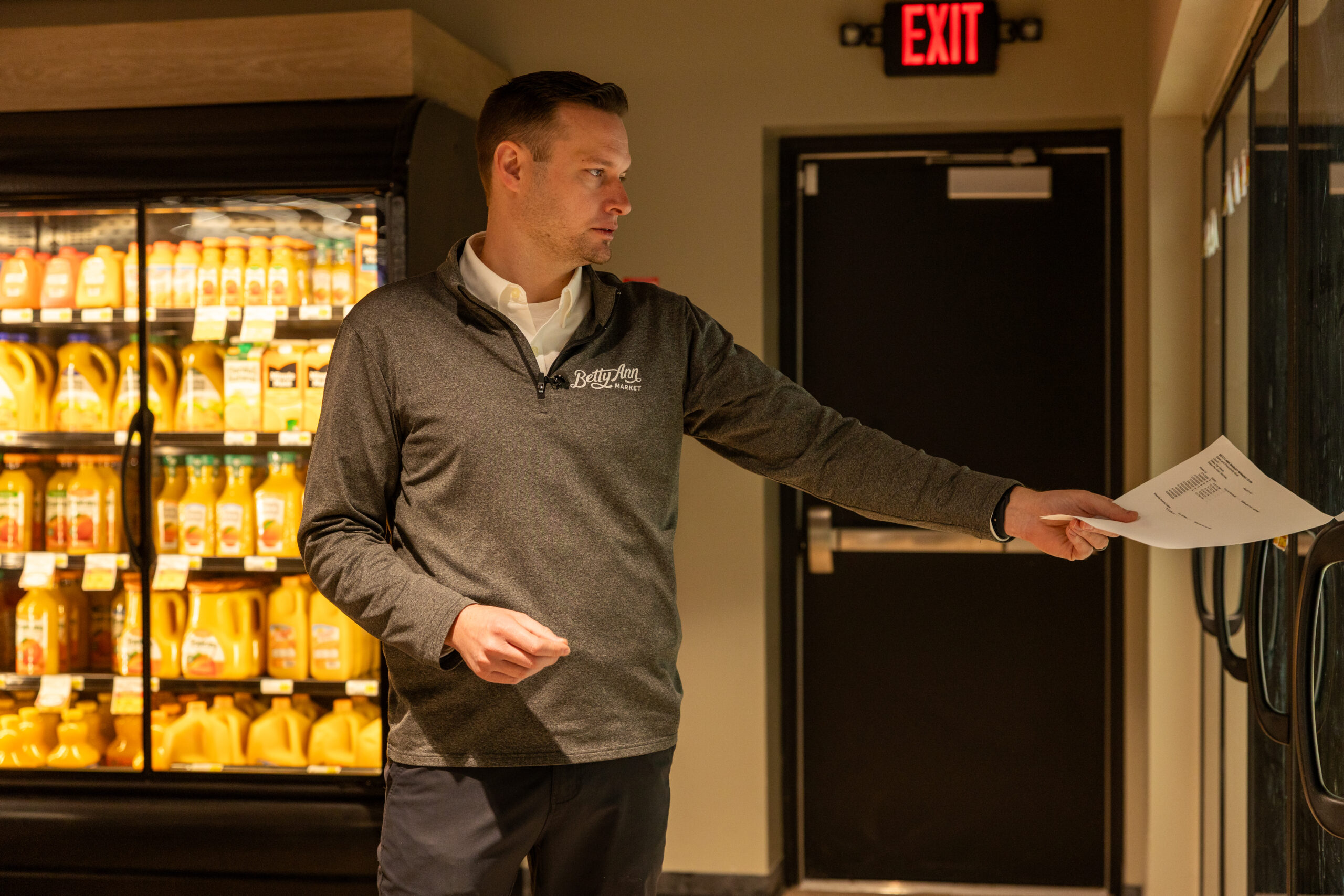
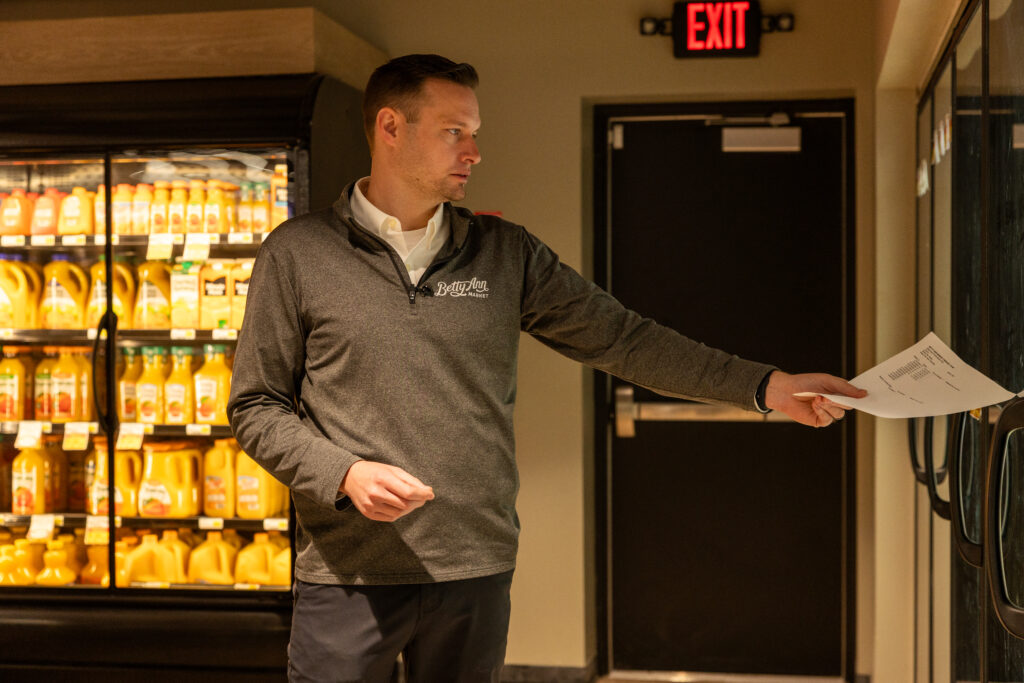
“We are currently under a major transformation of this facility here (in Mascoutah),” Craig pointed out as he walked us through the market. “We’ve recently added 10-thousand square feet, and a conversion of refrigeration equipment. We also remodeled everything from lights to plumbing. We’ve got some work to do. We’re hoping to have that wrapped up this summer.”
“We chose to expand this location based on the health of the community,” explained Craig. “When you look at our school district, and some community developments that are happening here, it was the right time to reinvest in the marketplace.”
The numbers behind that commitment are significant.
“The store in this building was started in 1978,” added Craig. “Some of that equipment, obviously, was older. We’ve invested over $5 million into this particular market. We’ve seen the customer count go up and they are choosing to shop with us again, because they can count on that produce being fresh.”
Beneath all the retail strategy and square-foot calculations, Craig promotes something in his stores that is not quantifiable, but perhaps more important in his life.
“Legacy is important to me,” Craig said quietly. “This legacy that my great-grandfather started it all, then came my grandpa, and then my dad. So how do I carry that on? What motivates me is honoring my grandma. Her name is on the outside of the building,” smiled Craig. “We want her to be proud of what we’re doing in the community.
“There’s a sense of pride that you get when you know that you’re taking ownership of the family business, trying to honor what the last generation did and preserve it and make it as best as it can be, to be able to pass it on to the next generation after me,” continued Craig. “I believe Betty Ann Market matters specifically to our community because we are kind of that cornerstone business. You think about what is really needed. It’s your groceries, it’s your pharmacies, it’s your necessity businesses.”

The costs behind the counter
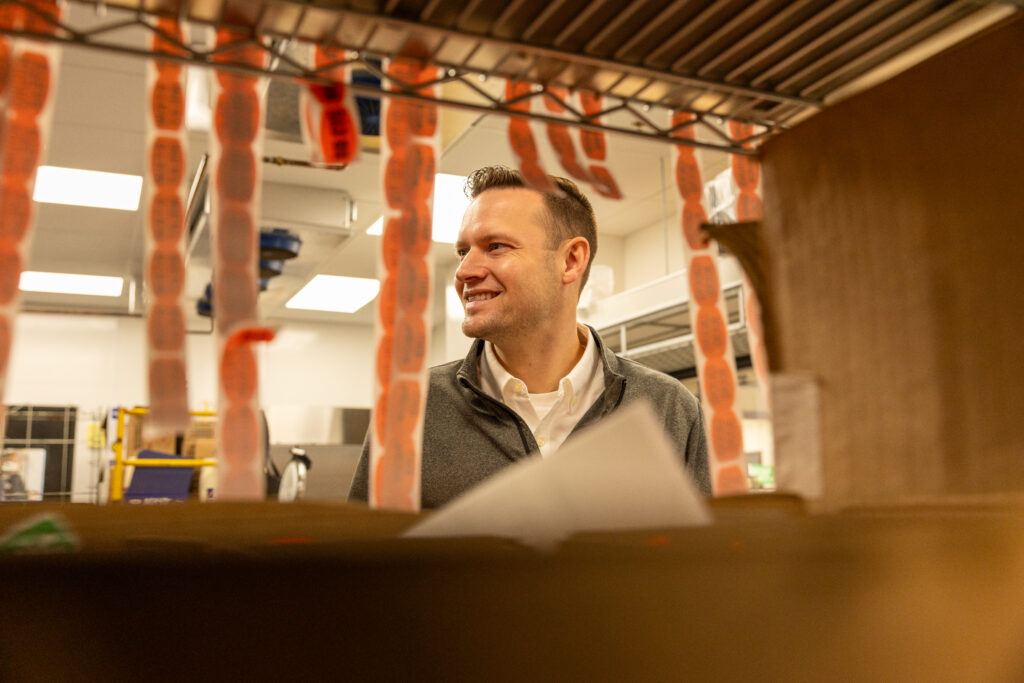
Running a neighborhood grocery store may look like a straightforward proposition, according to Craig. Stock the shelves. Serve the customers. Keep the lights on. But Craig acknowledges how many invisible pressures bear down on his business.
“If I had the opportunity to speak with lawmakers in Illinois, I think they should know that times are tough. I think they hear that all the time. We face ever-changing costs, more so than just the cost of goods. But whether it be the cost of fuel to get that those products to your back door and labor costs we’re seeing in Illinois specifically, we’ve seen minimum wage up to $15 an hour. Those are hard things to meet when we’re talking about a high school student that’s maybe working part time. There are definitely challenges to meet here in Illinois. We’ve got a pension problem. We’ve got two of our stores that are union. We love being a part of that. That’s a strong part of our makeup and who we are, but they’ve got an upside-down pension. How do we change that to make it sustainable, so that the hard-working people do get their retirement and that it’s affordable?”
Food for thought
For anyone weighing whether to take a leap into retail or into a family business, Craig offers counsel that is simple.
“If you’re considering a career in retail, I would suggest having a passion for what you’re doing. Some people will say you’re just stocking groceries. How are you passionate about stocking shelves? There’s so much more to it. It’s about serving people really well.”
At the end of the day, the balance sheets, labor contracts, and a large renovation notwithstanding, Craig wishes one thing for every customer who comes into Betty Ann Market.
“We want you to be able to leave and feel like, ‘Hey, those folks in there really cared about what they were doing. They were passionate, but they also really cared about me.’ That’s how we serve every day. Seven days a week.”