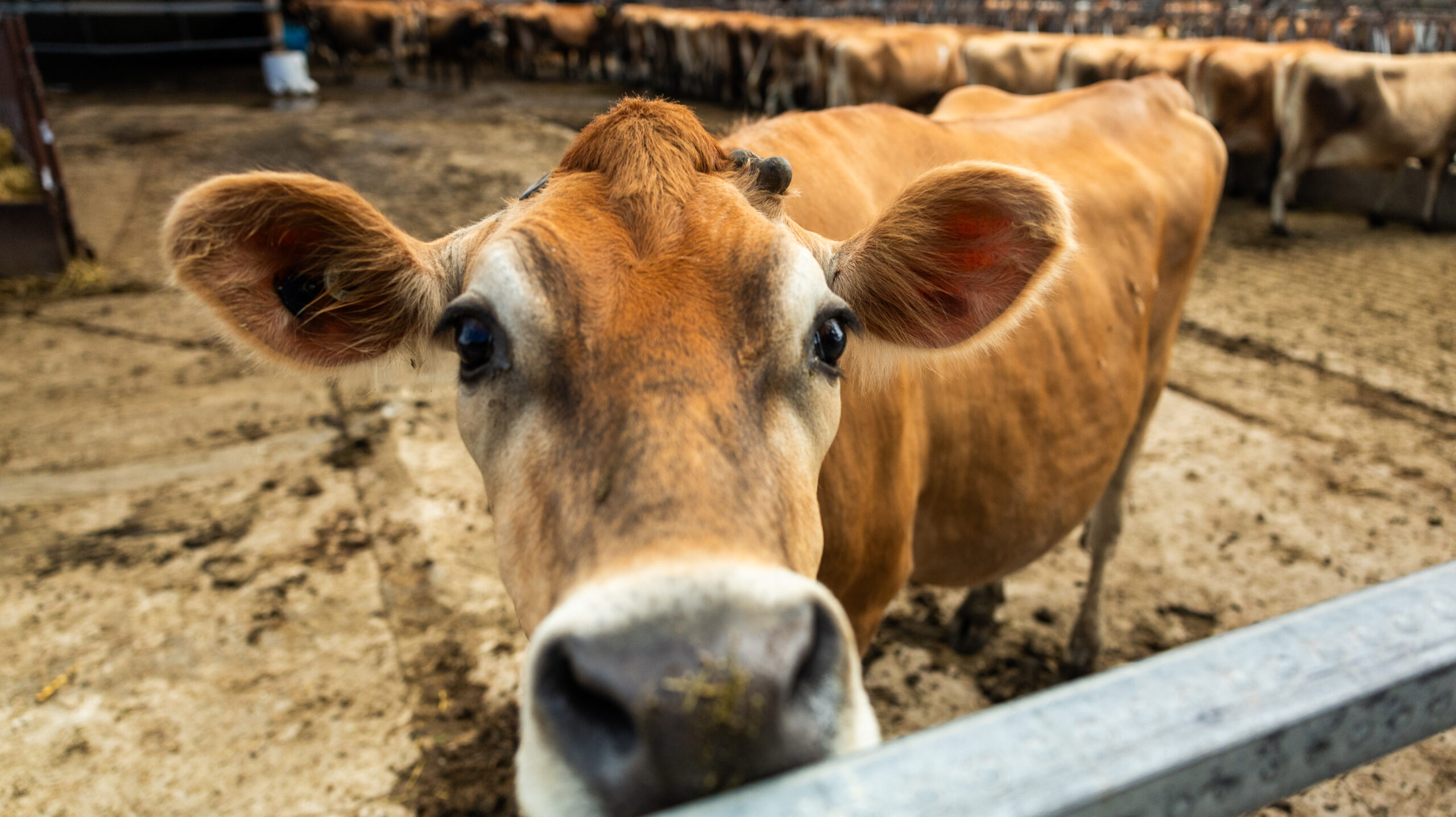
When Kilgus Farmstead opened its retail operation in 2009, the catalyst for the decision was not made to uproot its existing dairy farm.
The decision was much more practical. The family wanted to stop leaving money on the table.
At the time, Kilgus was selling its milk wholesale to a processing plant. Carmen Kilgus, one of the farm owners, remembers the thinking behind the decision to change course.
“Our oldest son was graduating from high school, and we wanted to cut out the middleman,” she says. The family decided to begin processing its own milk and selling it directly from the farm.
“So, we decided to open our own retail shop and see if we couldn’t make more money.”
It was a simple business proposition. What happened next was anything but simple.
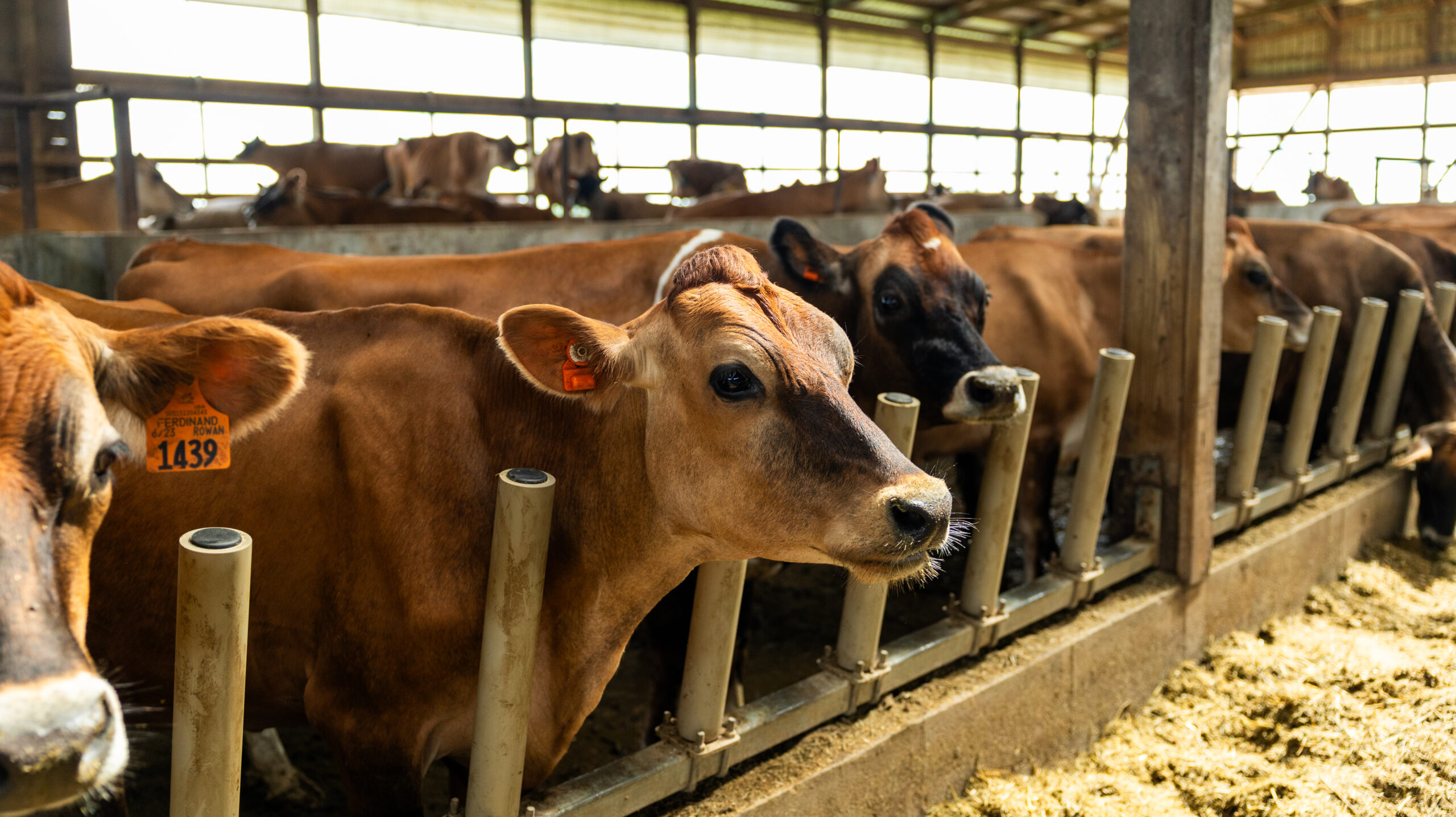
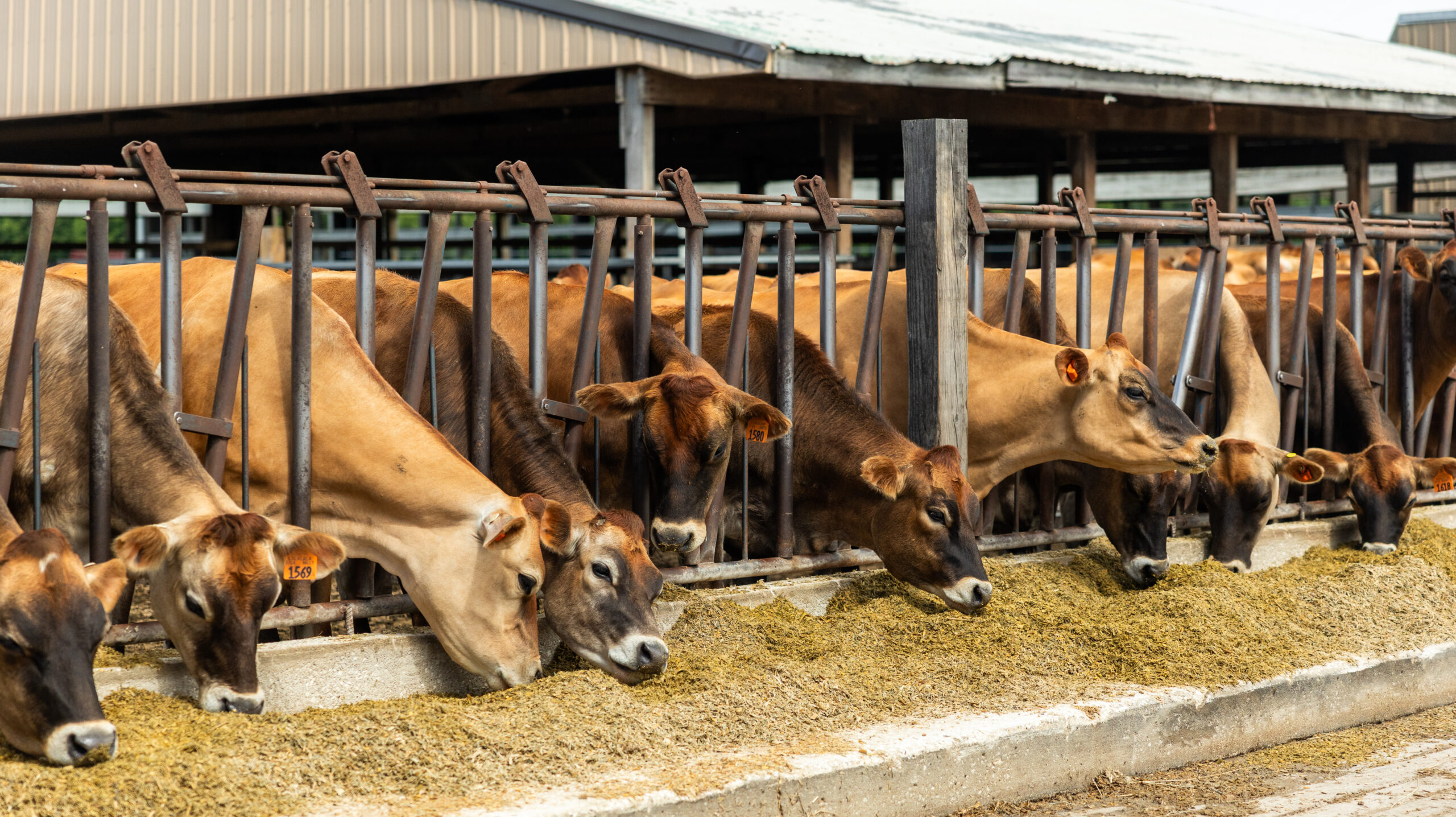
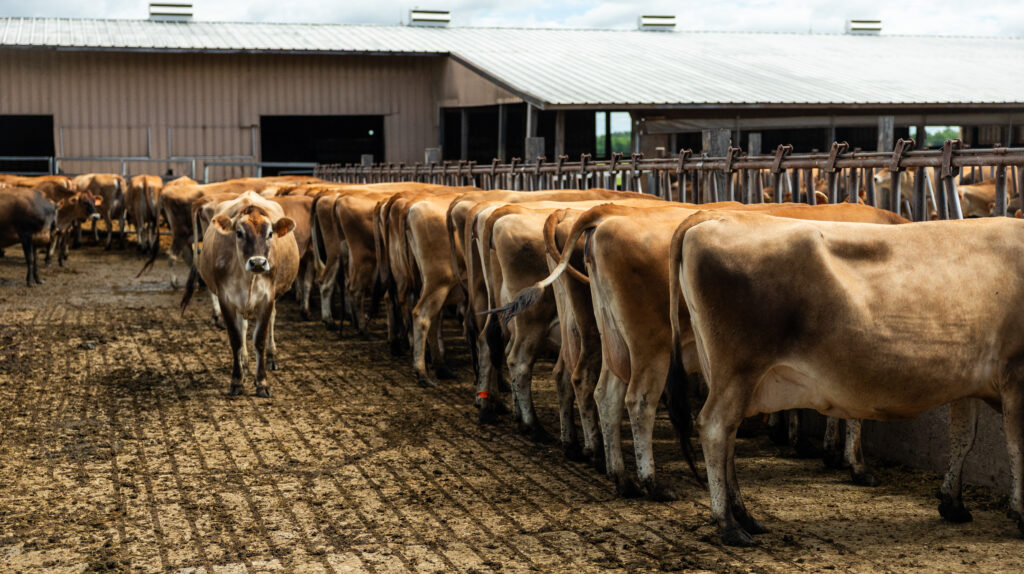
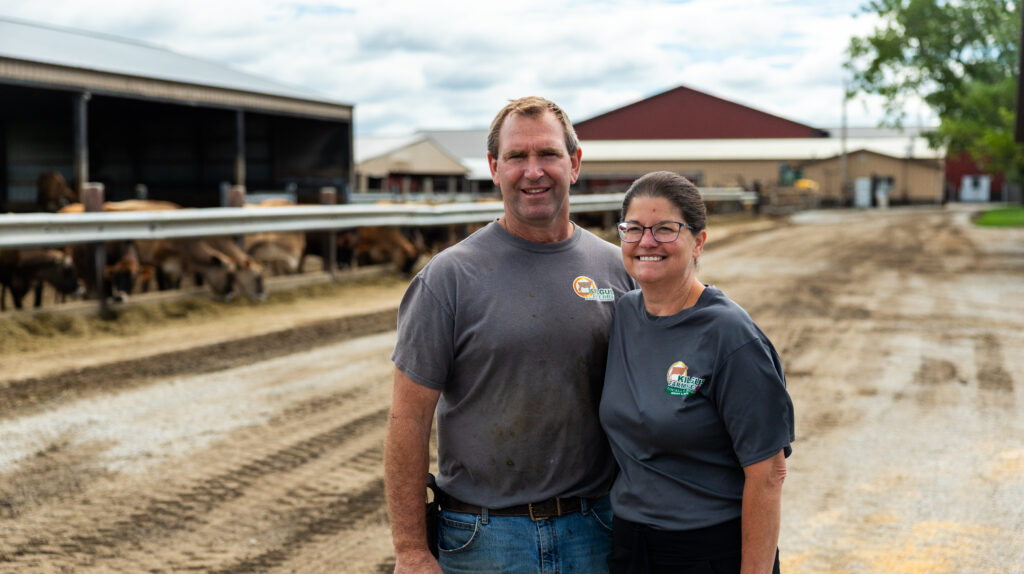
More than 15 years later, the retail operation has become an important part of Kilgus Farmstead, located roughly 100 miles from downtown Chicago in the rural Livingston County community of Fairbury, where the family processes its own milk and raises beef, pork, goats, and lamb. Local residents represent a signification portion of the customers, but products are also purchased by restaurants in Chicago, and shoppers from across the state, specifically looking for the on-farm Kilgus Farmstead raw milk.
The farm didn’t abandon its agricultural roots to become a retailer. It figured out how retail could work for agriculture.
Finding the customers who want something different
Kilgus is not trying to beat large chain supermarkets at their own game. Carmen acknowledges that the economics do not work that way.
“We’ve got to compete with the box store and really we cannot compete with them,” she says. “But we’re selling a different product. It’s a more high-quality, specialty product than what they carry in the box stores.
“We realized in order to make our farm succeed at the size we are, we needed to get into the niche market and do something different than other farms were doing,” Carmen says.
Milk was the starting point. Kilgus processes non-homogenized milk and sells raw milk through its farm store. The farm’s non-homogenized milk has also found a customer base among Chicago coffee houses, where Carmen says the cream that naturally rises to the top is valued by coffee professionals, because of how it steams.
Wholesalers visit the farm twice a week to pick up milk for customers throughout Illinois, while a delivery driver makes a weekly trip into Chicago. Other deliveries head toward Bloomington, Peoria, Champaign and surrounding communities.
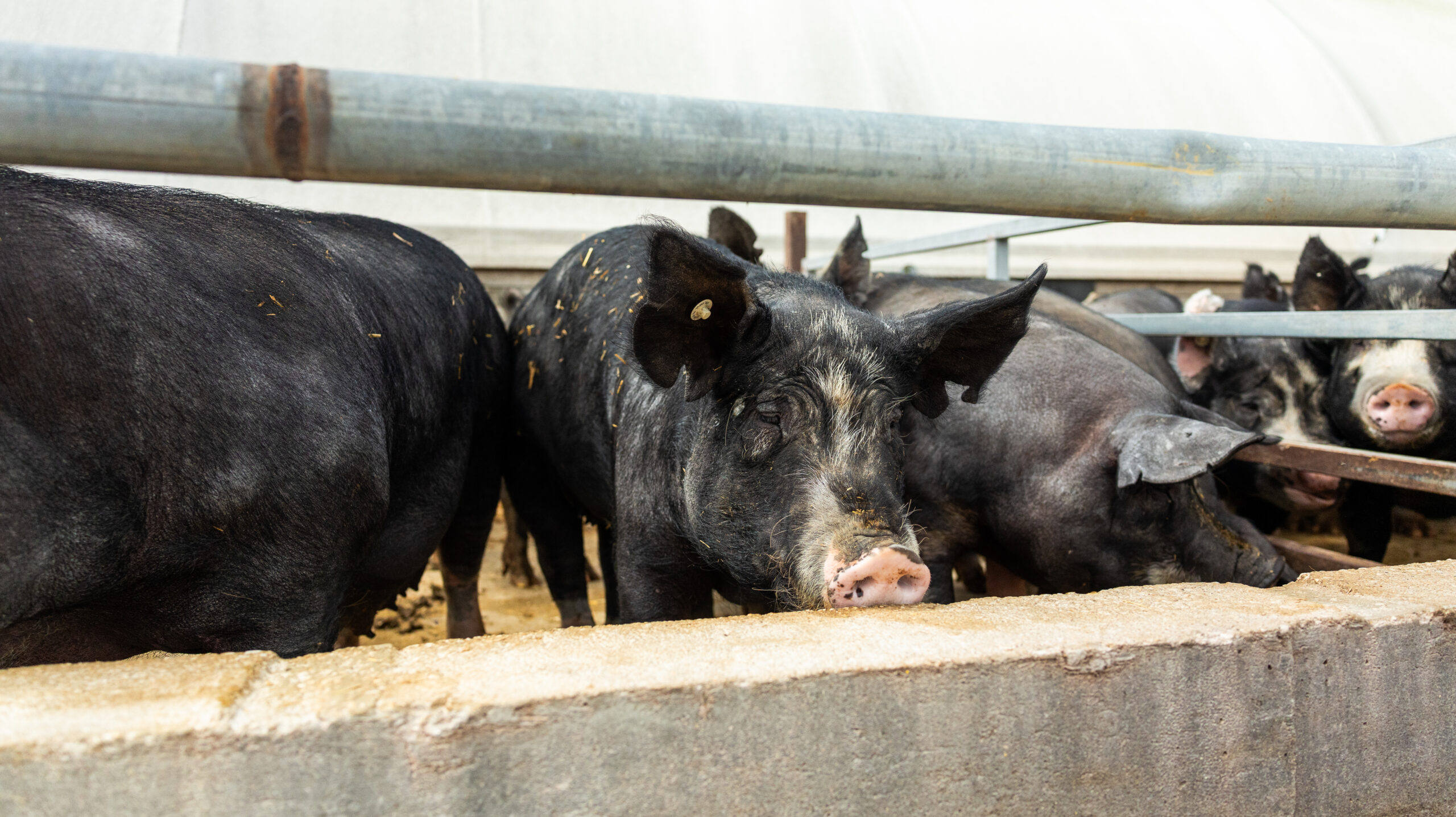
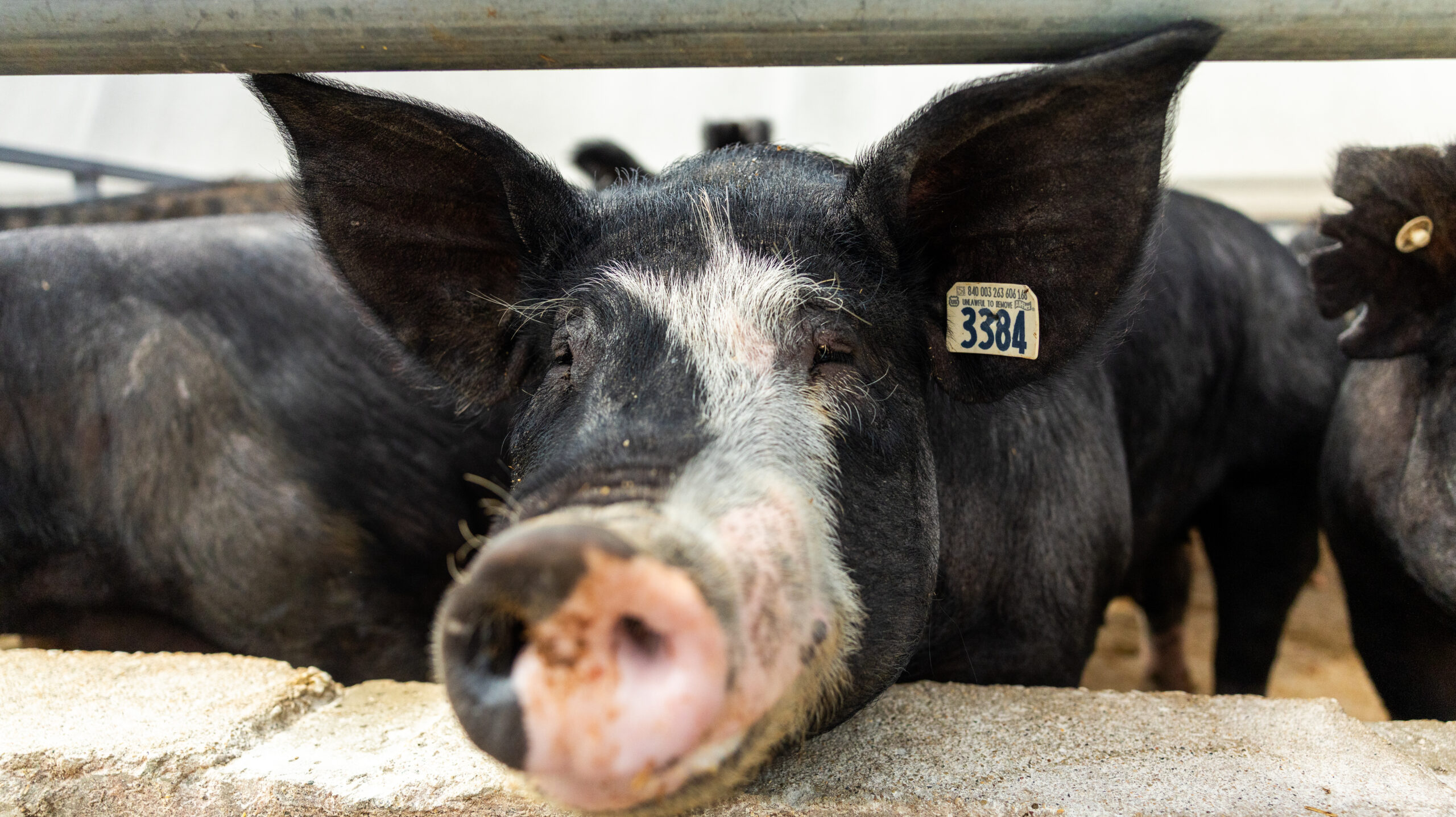
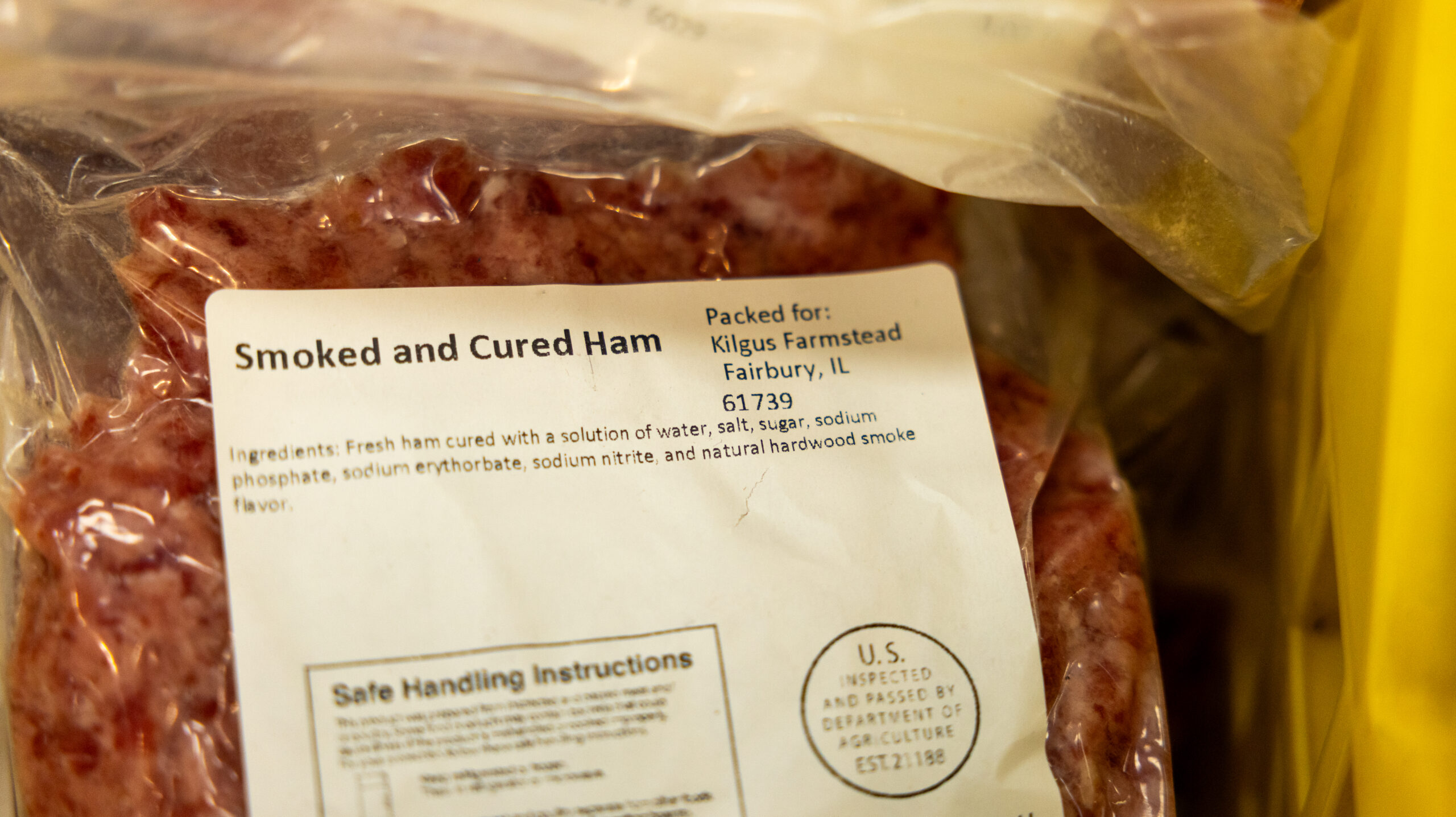
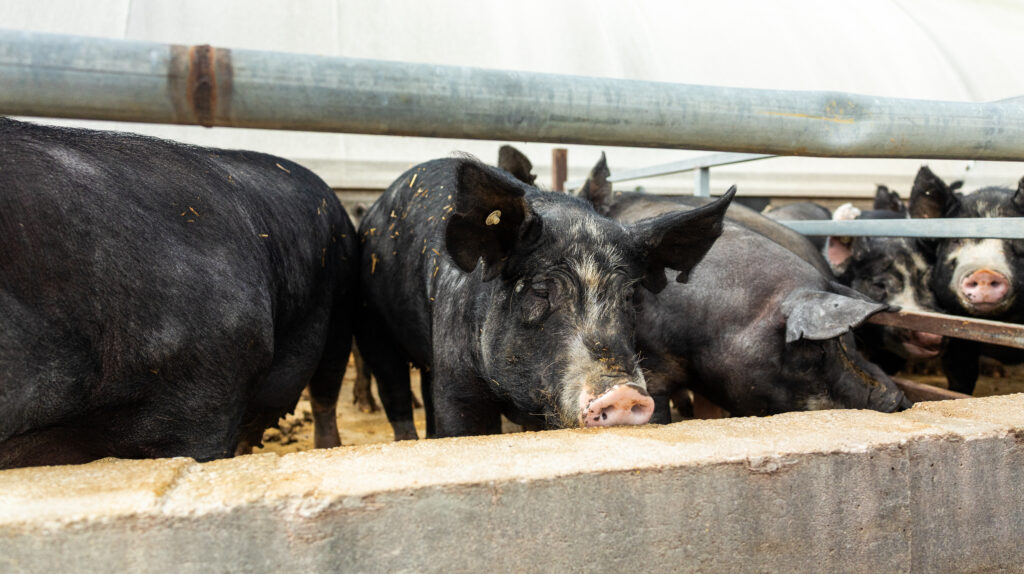
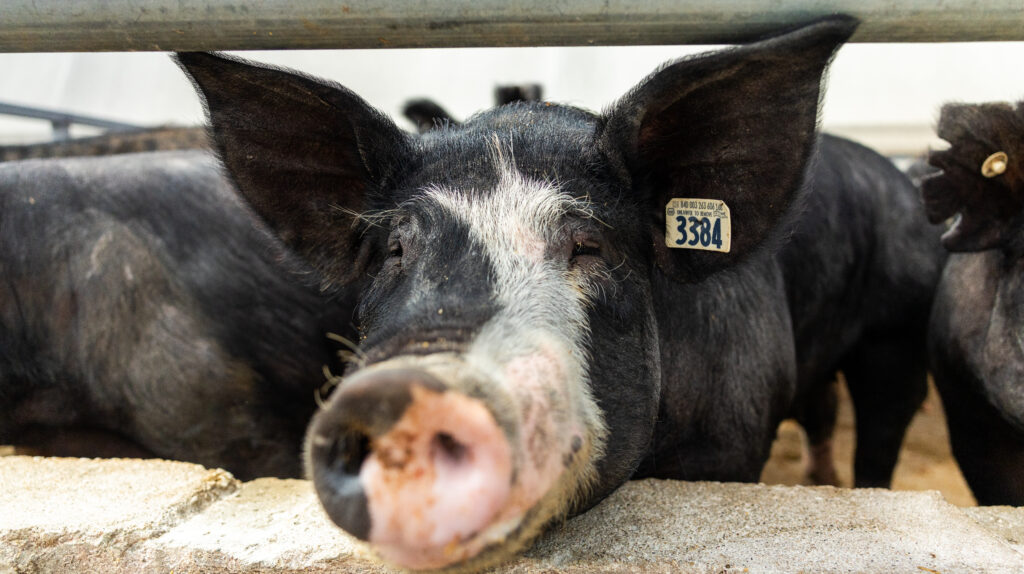
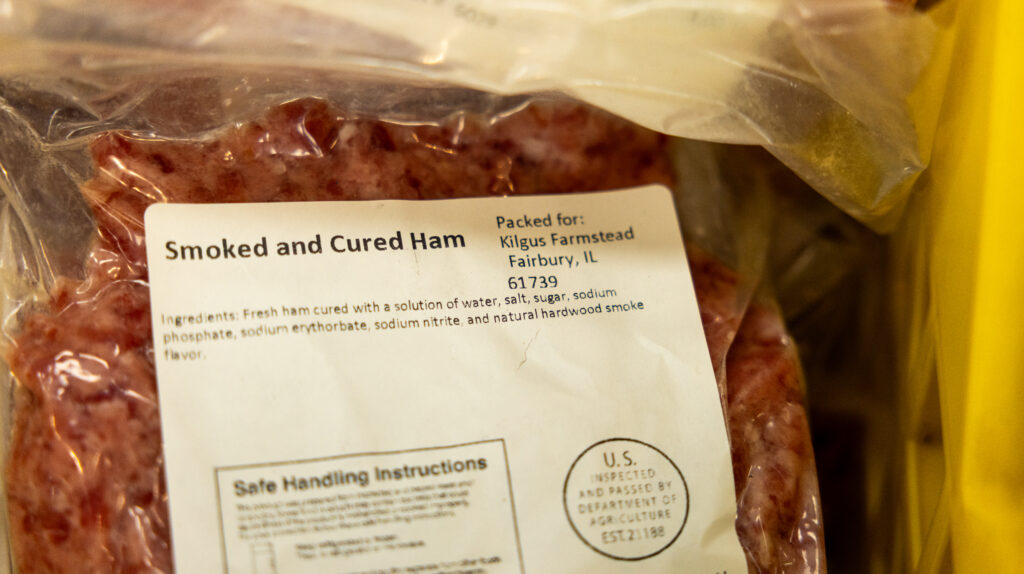
The meat business for Kilgus Farmstead has developed in much the same fashion. The farm now raises its own beef, pork, lamb and goats. The retail store carries everything from steaks and roasts, to ground beef, lamb chops, and ground goat. There are also products sold at the retail store that may not seem like the typical farm fare such as bacon cheeseburgers, bacon burgers, and an assortment of specialty brats. Apple. Bacon. Cheddar. Jalapeño. Chorizo.
Carmen’s son, Justin, who oversees the meat division, gets input from restaurants about what they would like for the family store to carry. When one restaurant customer asked for chorizo brats, he developed them.
“And now we sell chorizo in our store,” Carmen says, while noting that the advantage of being a small brick-and-mortar is that you can listen to your customers and quickly take action. Carmen added that “a customer might ask for something on Tuesday, and the farm can be experimenting with it not long afterward.”
Retail with a cow past the front door
There is a whiff of incongruity, and a sprinkling of charm, to calling Kilgus a retail operation.
Yes, there is a store. There is a checkout system. There are shelves and products and customers making purchases.
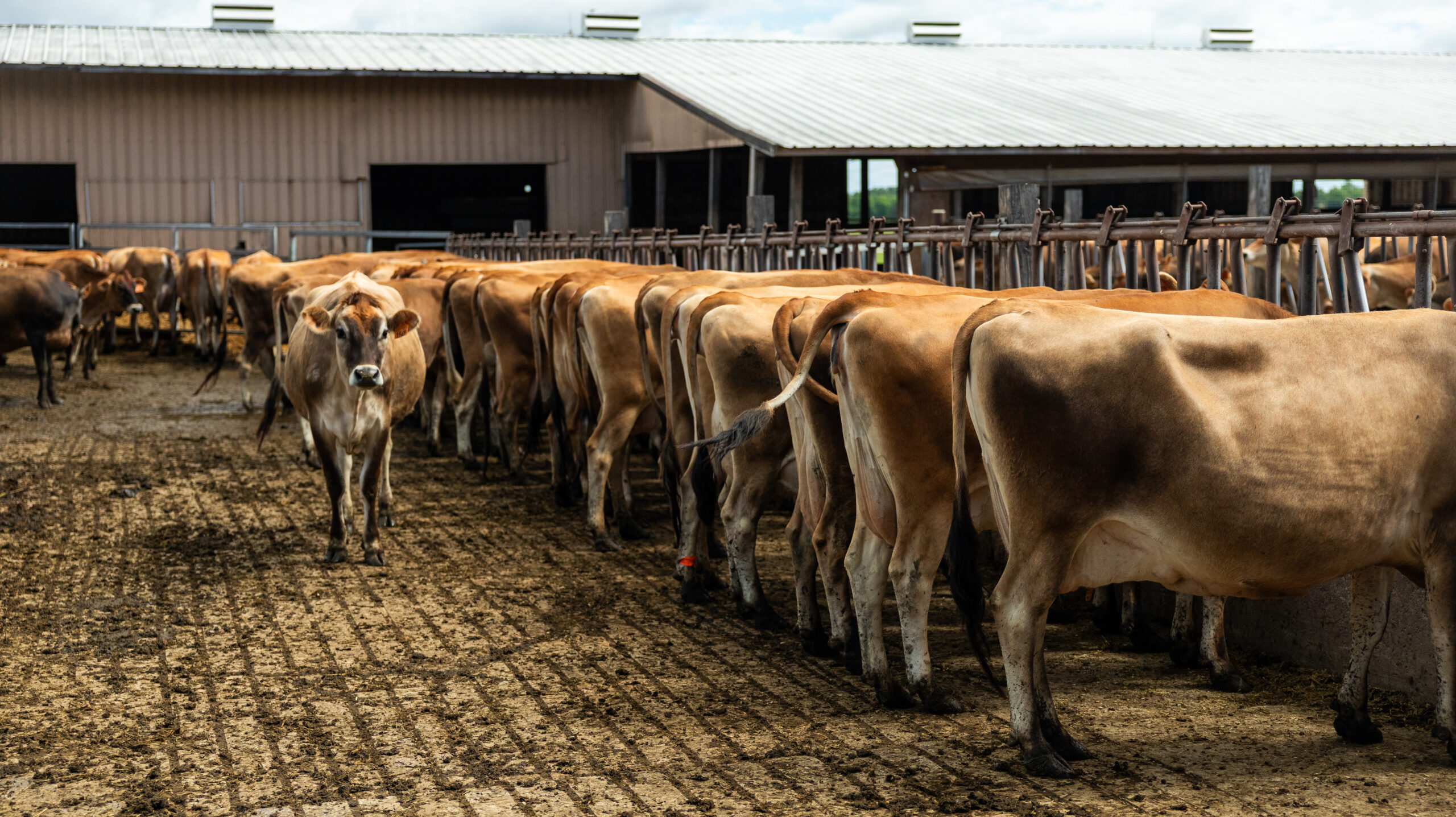
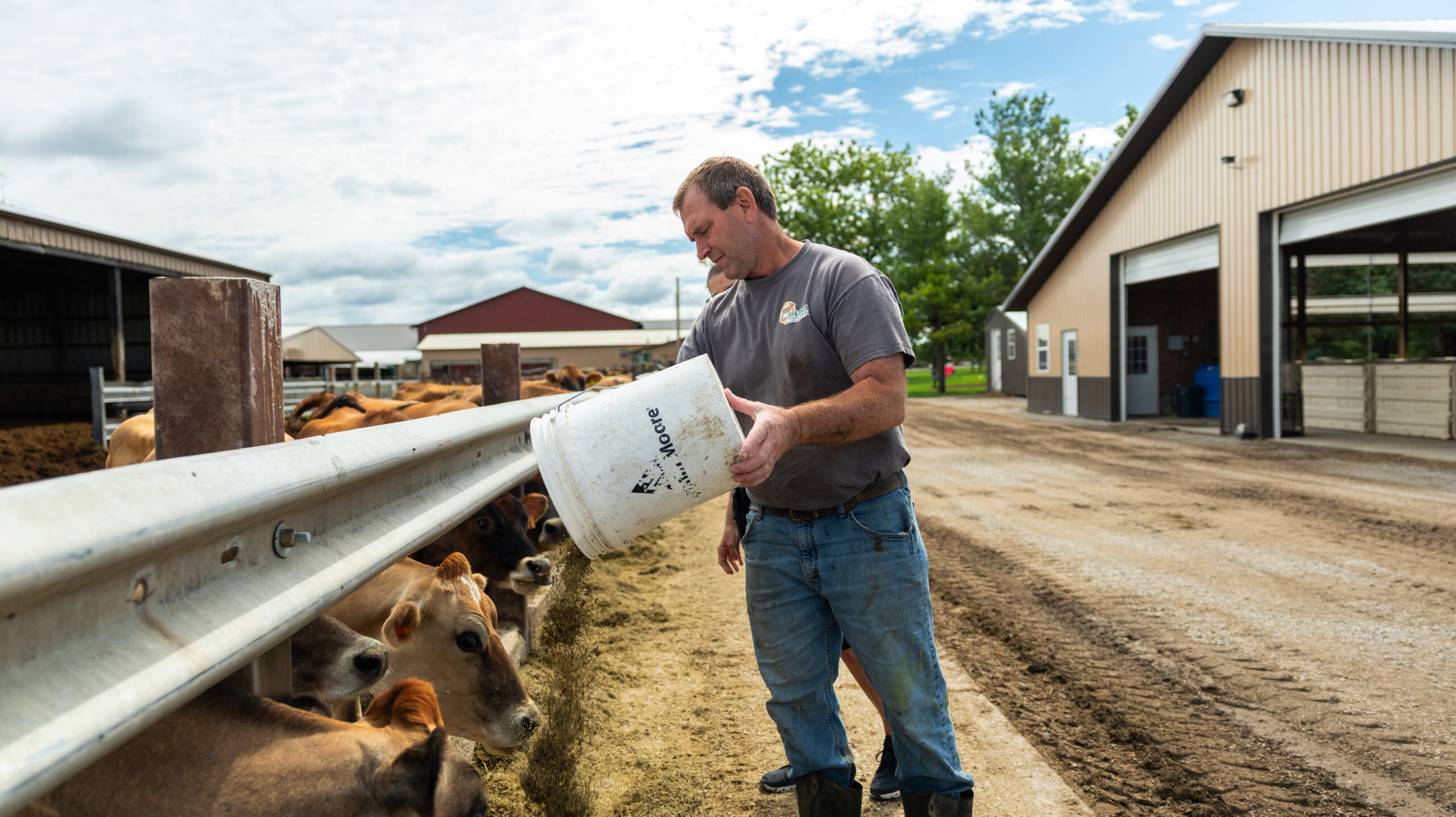
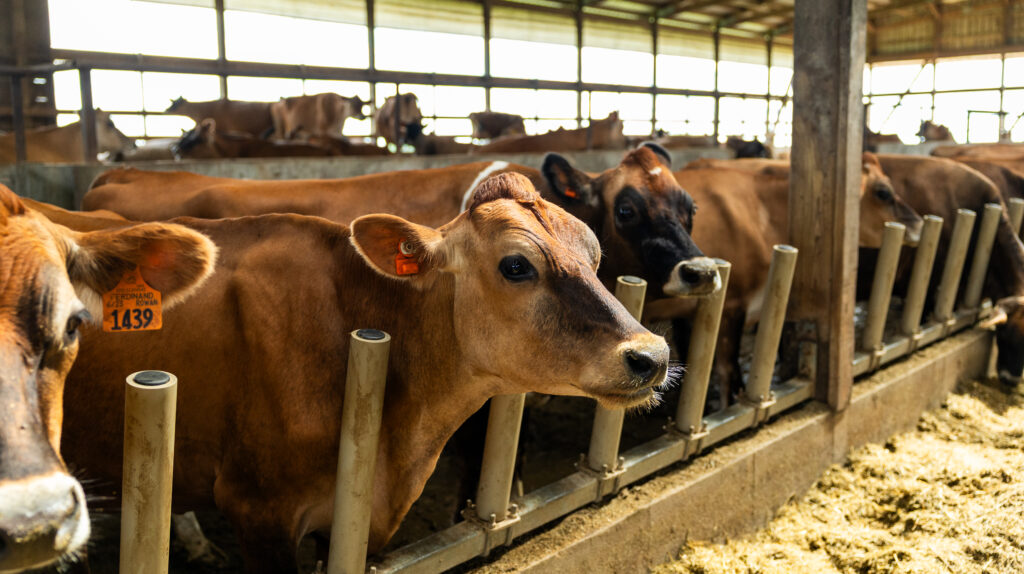
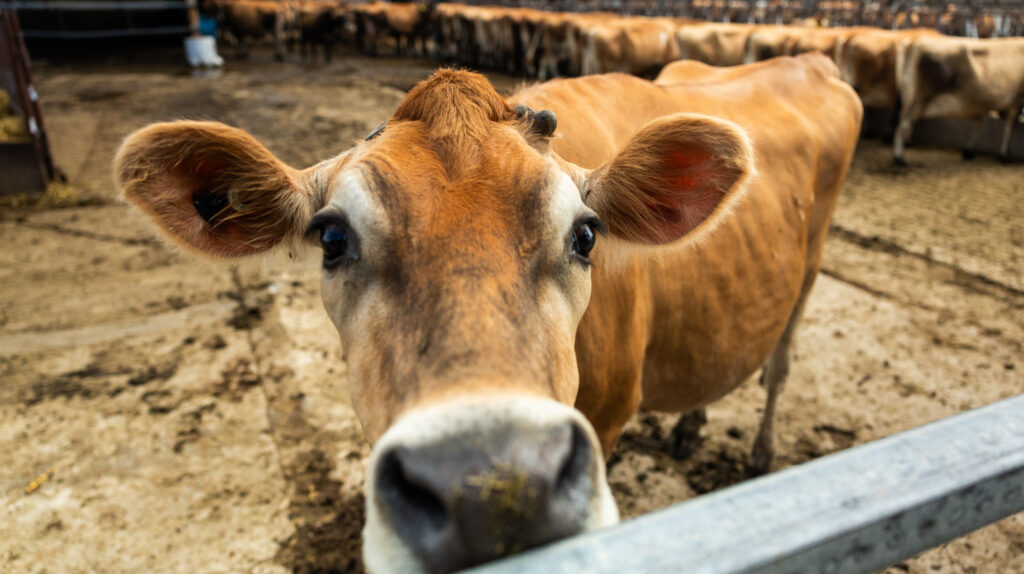
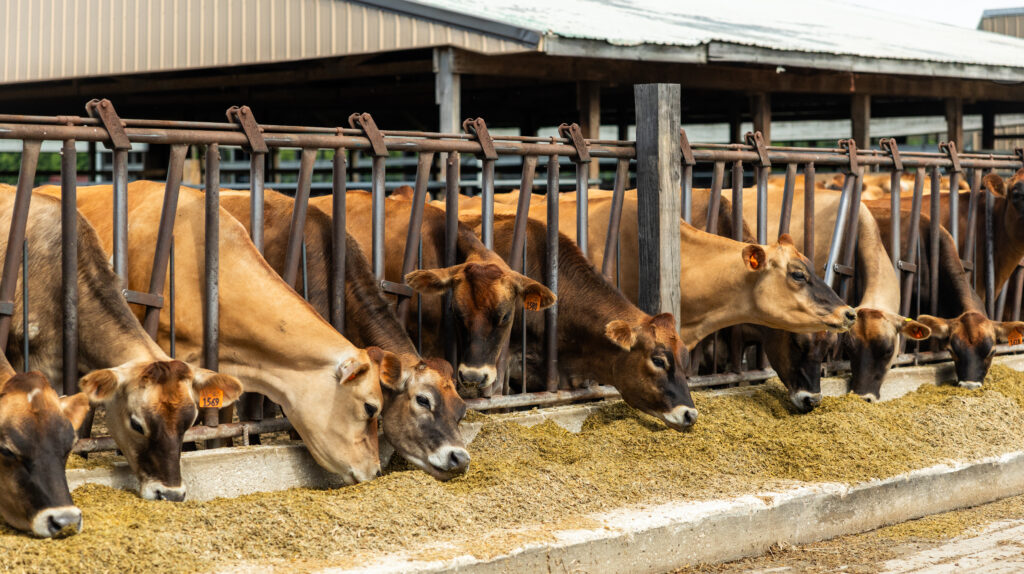
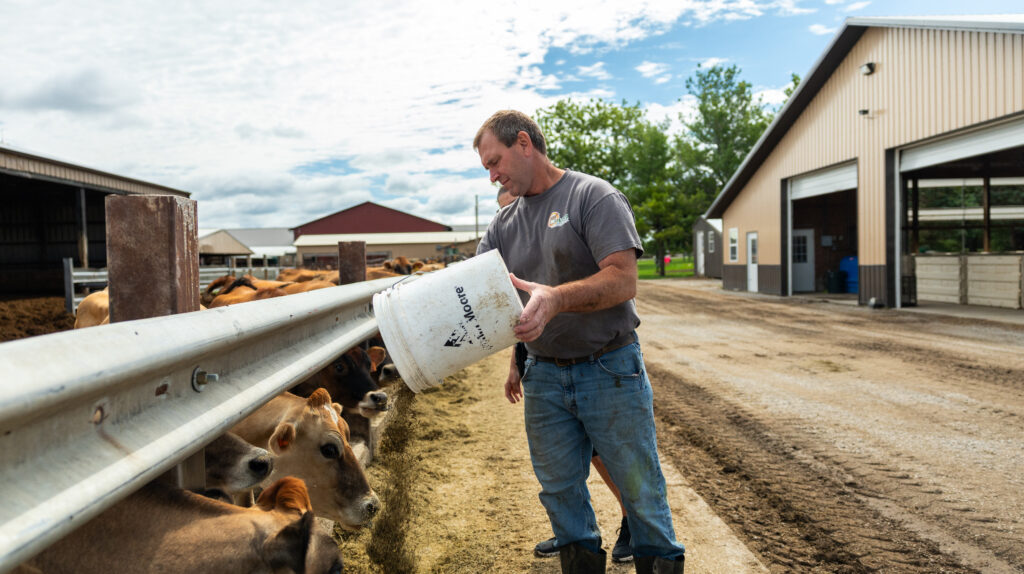
But just outside, there is a working dairy.
The products for the store are not being trucked in from a distant warehouse and placed on a shelf. Much of what the store sells begins with the animals and land surrounding it.
“We have diversified our operation, and we now raise our own beef, our own pork, our own goats, our own lambs, and we distribute those products along with our milk,” Carmen says.
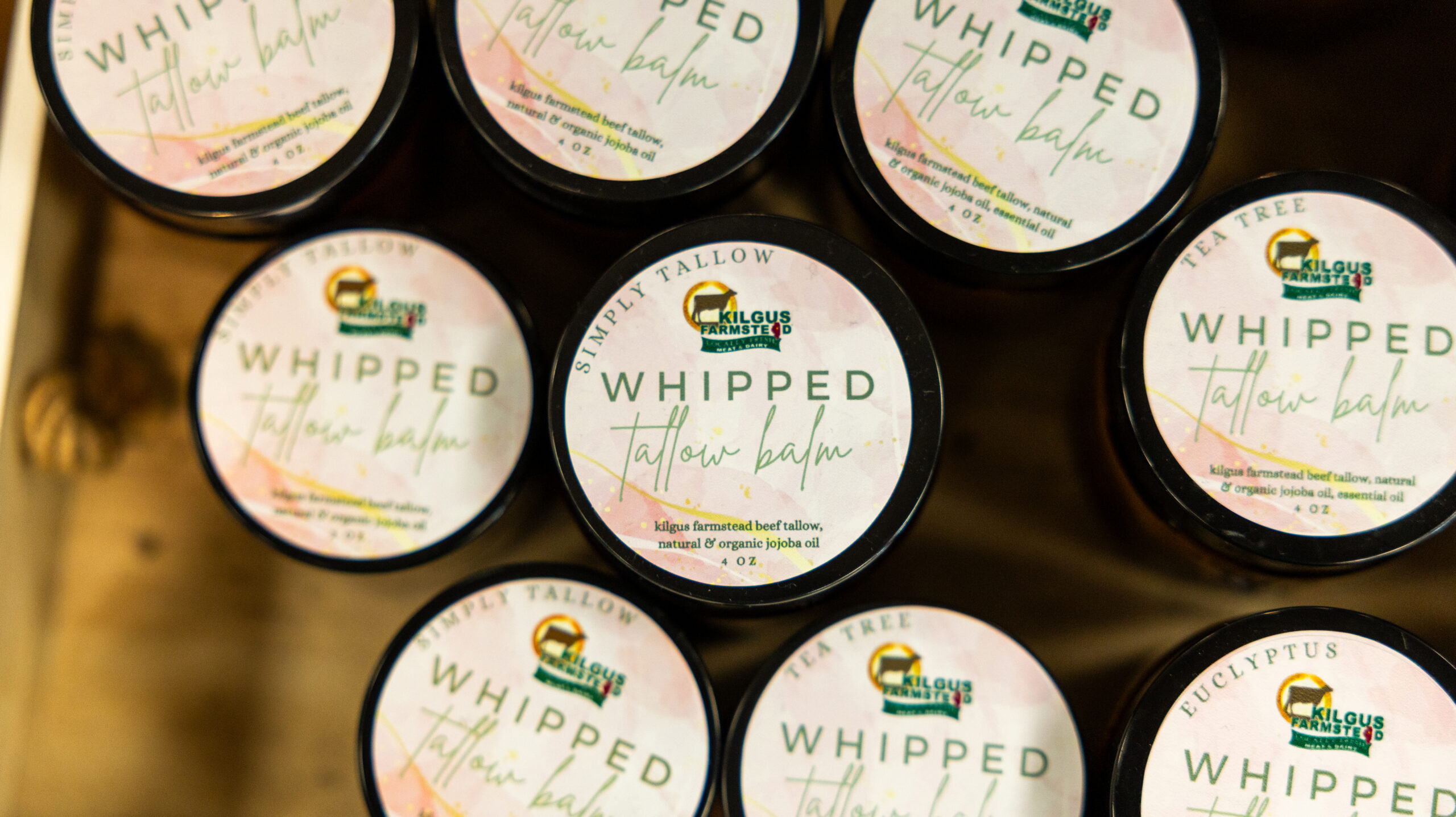
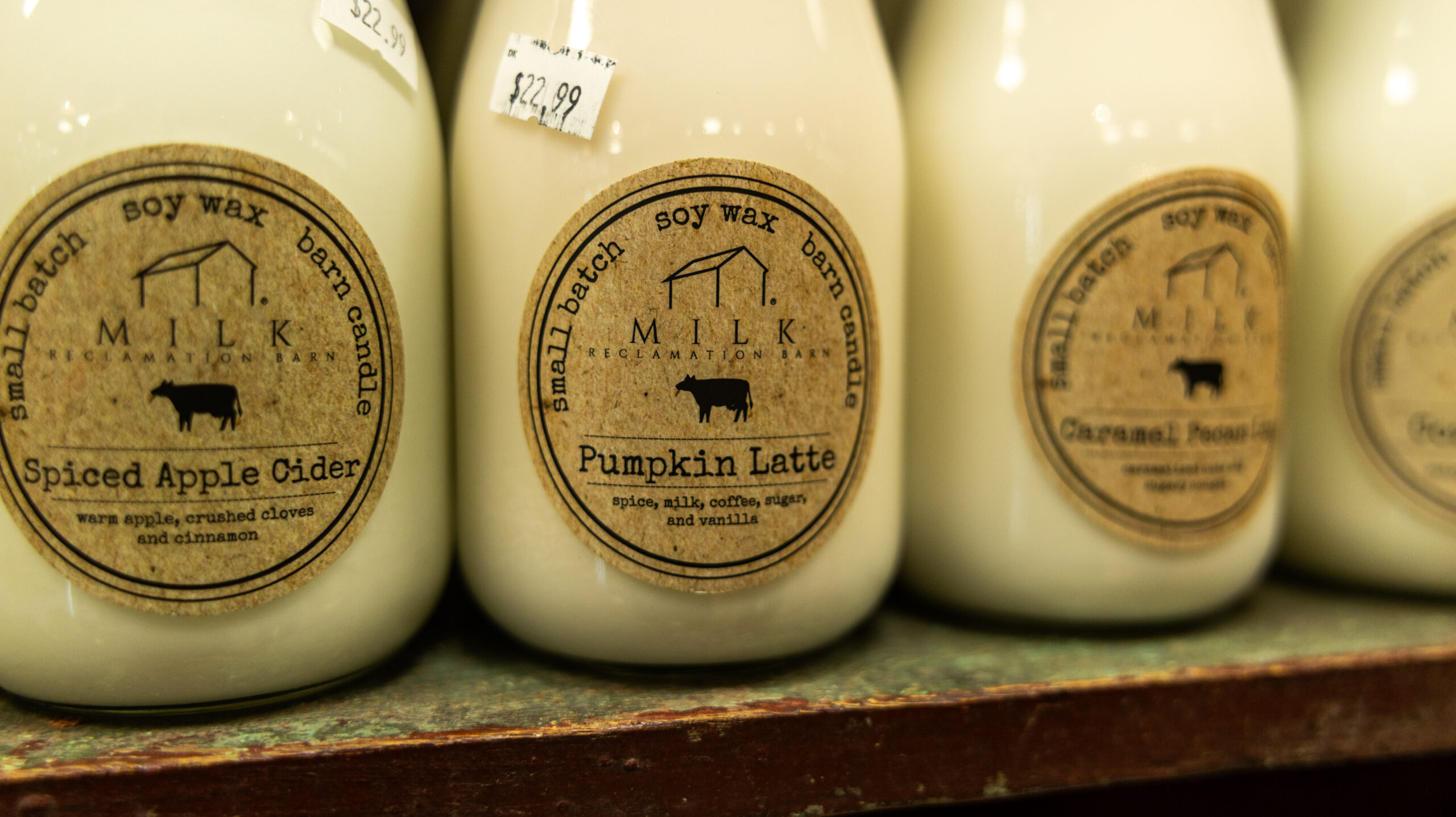
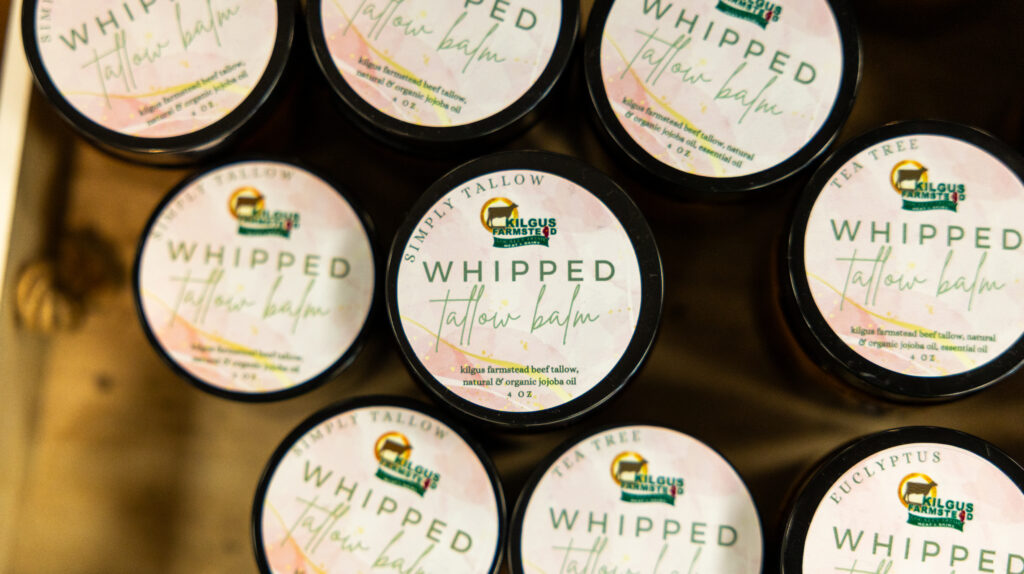
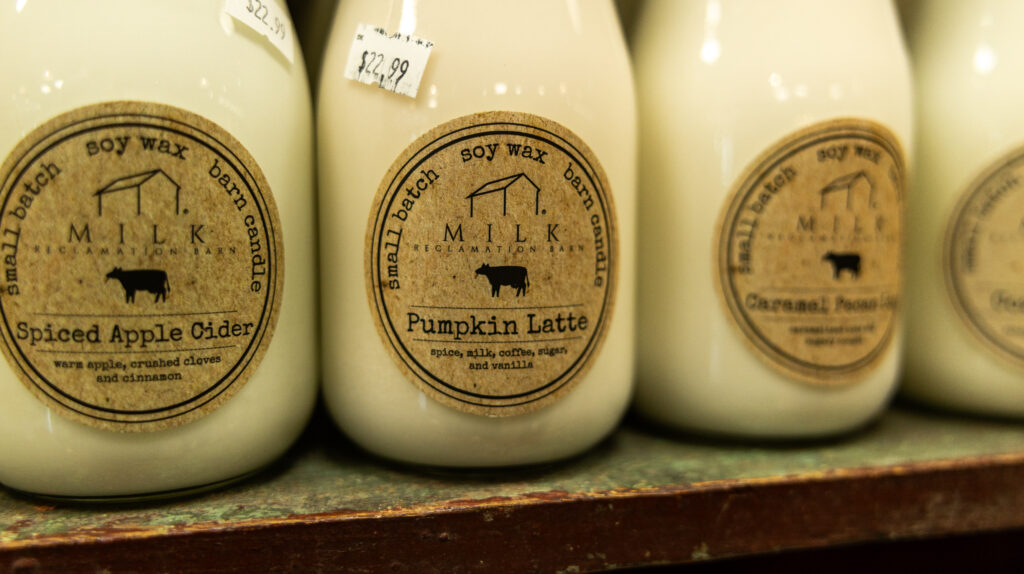
The milk itself also finds its way into other products sold at the store, including ice cream, gelato, soaps, and lotions.
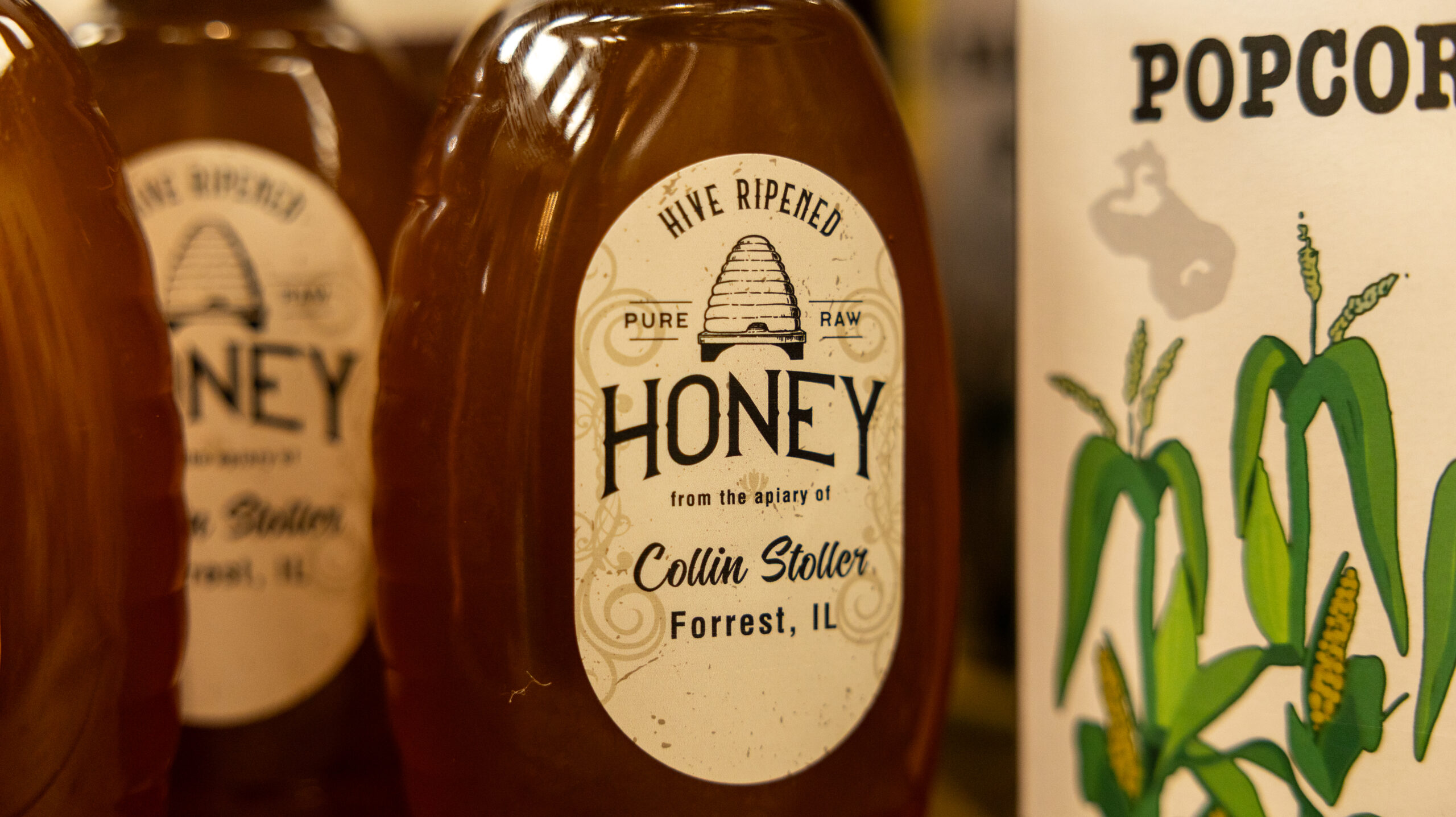
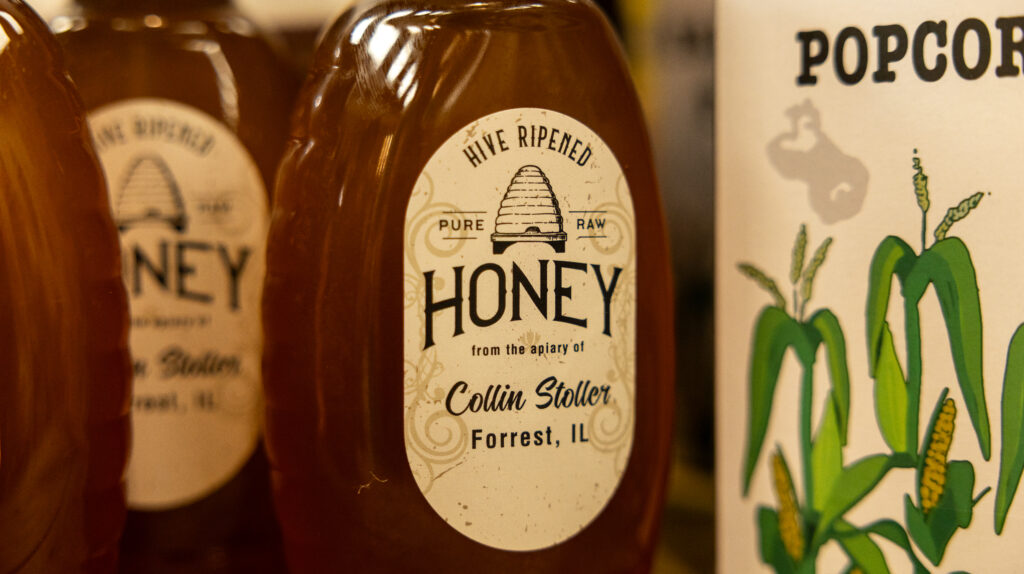
The store has also expanded its selection beyond farm-produced goods, adding locally-made products. Carmen says the family deliberately starts with a manageable inventory when experimenting with new merchandise.
“We just started out with a little bit of a lot of different items,” she explains. “That way, if we didn’t have something that did not sell, we didn’t have a lot of inventory left over.
“I’ll be honest; I love ordering new items for the store,” she says. “It’s just been a lot of fun to pick out different items for sale in our store.”
The retail business has grown enough that the farm needed more room. In 2025, Kilgus expanded its processing and its retail space, and implemented a new point-of-sale system.
The little farm store that began with an honor system, by which customers wrote down their purchases and left their money at a checkout counter, had become a much more sophisticated operation.
But Carmen has not lost sight of what makes the business so special.
A retail store that teaches people where milk comes from
Perhaps the most unexpected part of the operation at Kilgus Farmstead is that some of its most important customers are not necessarily there to buy anything.
They show up to learn.
The farm hosts roughly two-thousand tourists a year. Families visit. Groups come from Chicago. Locals bring relatives who visit for the holidays.
Carmen says she loves all the group visits, partly because they give her family a chance to talk about farming with people who may have very little connection to it.
“We’ve had several groups from Chicago come down, and to be honest, they don’t even know what a cow is,” Carmen says.
“It’s simply educating them where their milk comes from. Most people have no idea that the milk comes from a cow.”
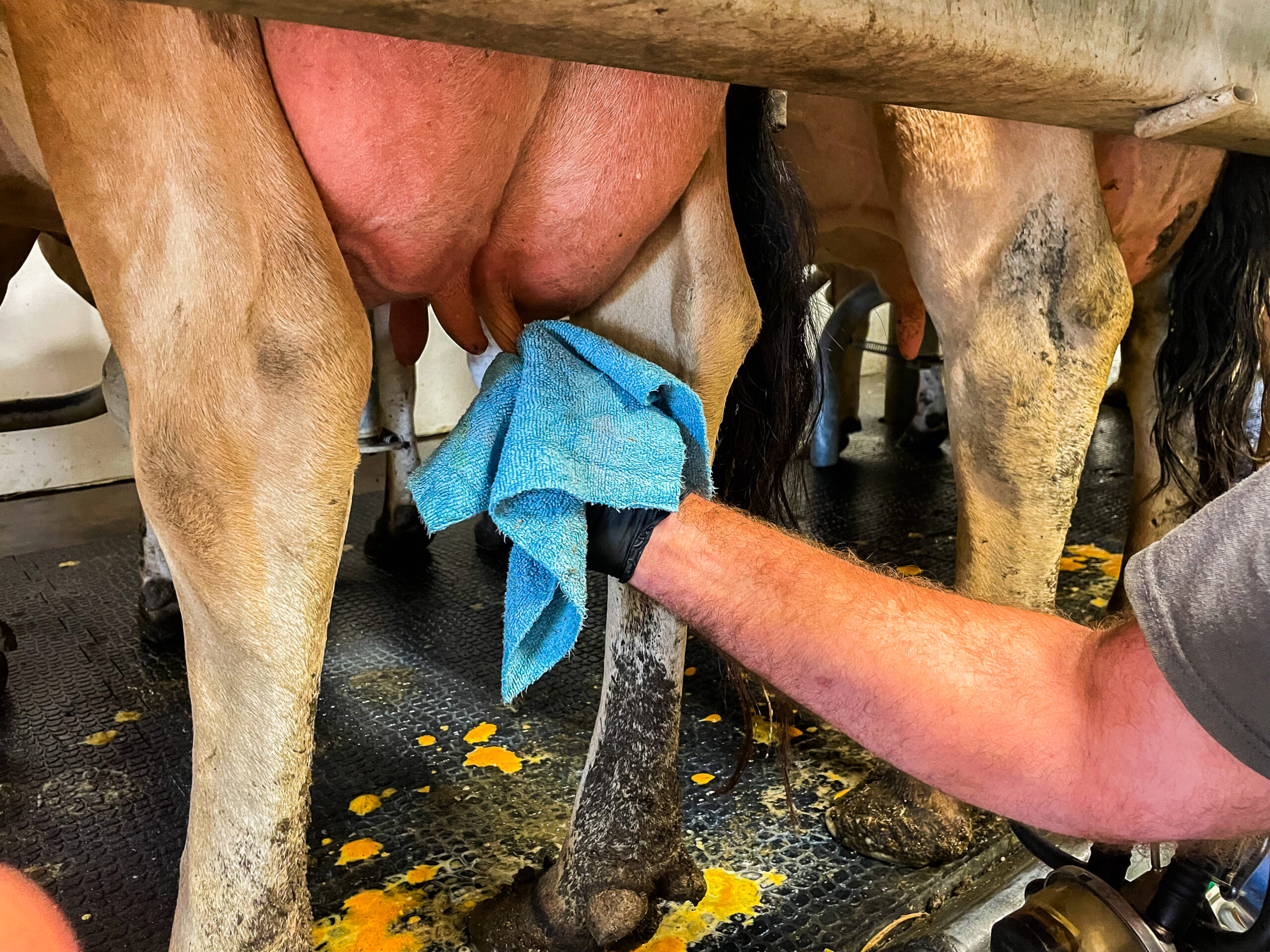
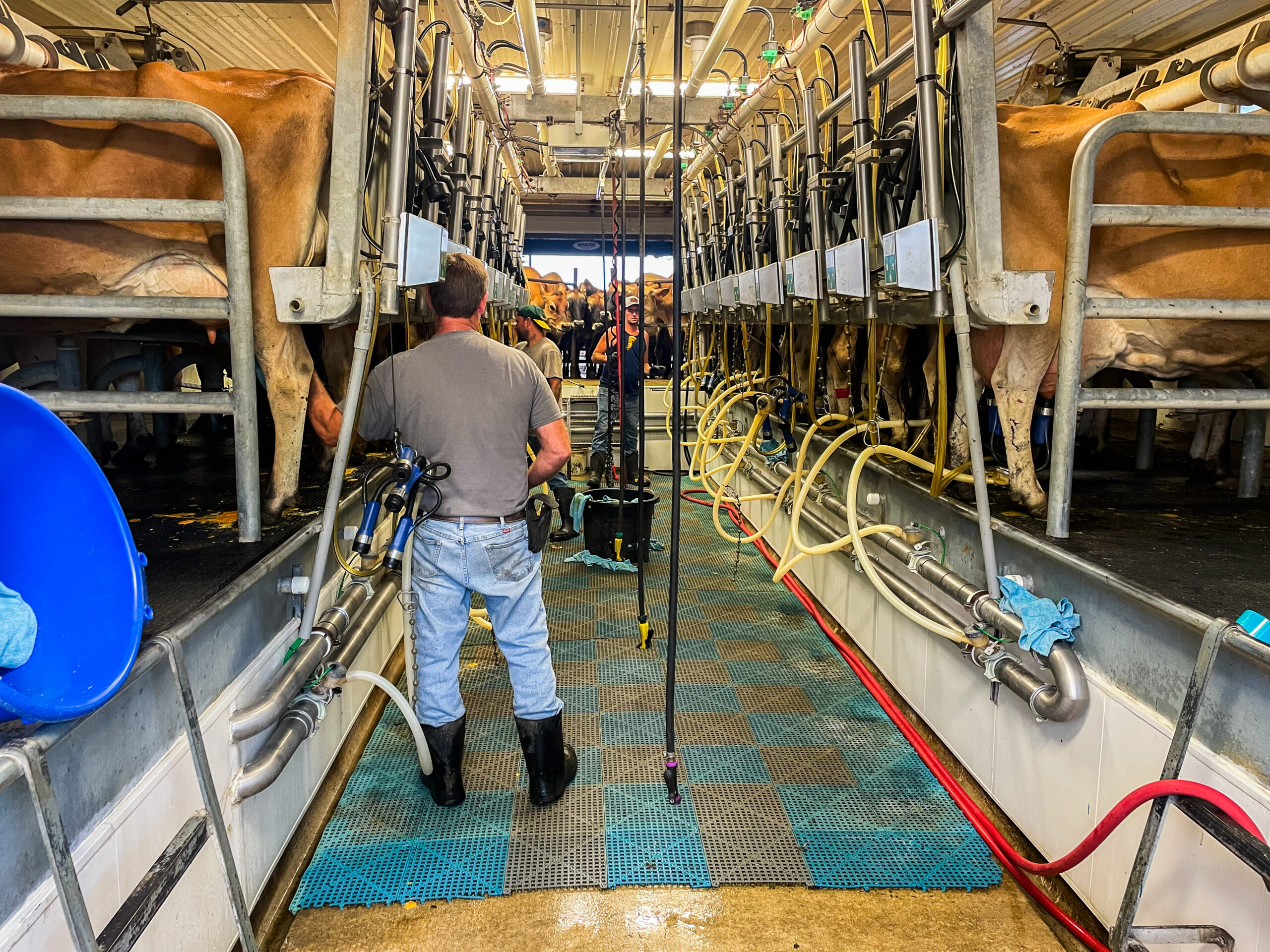
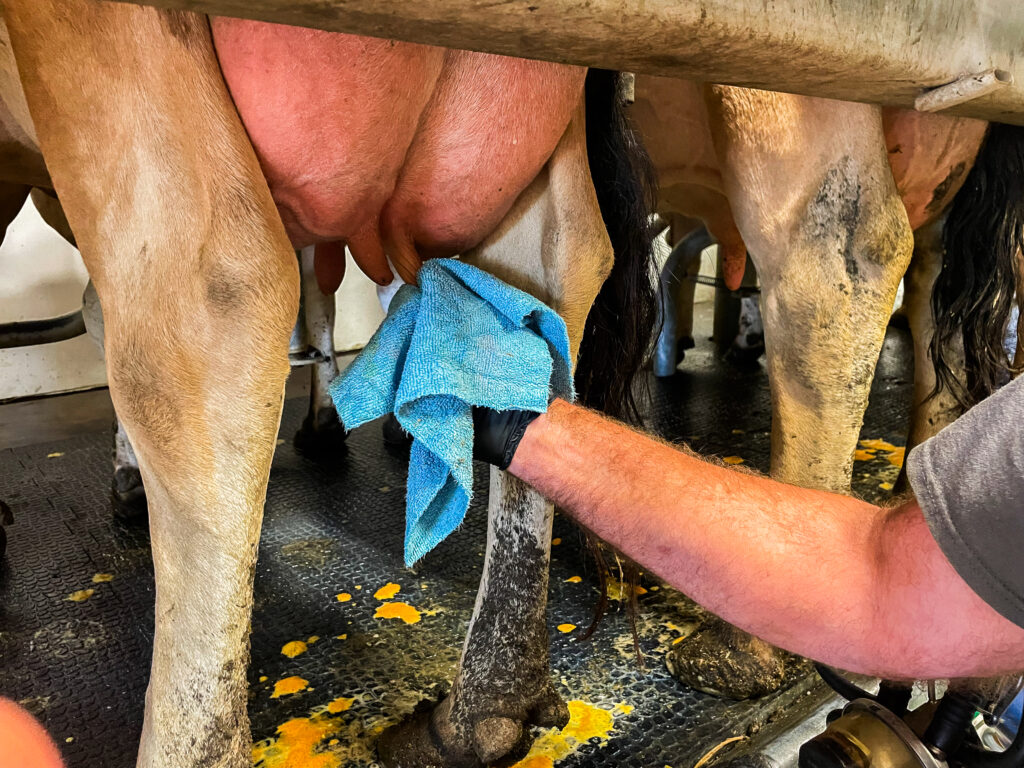
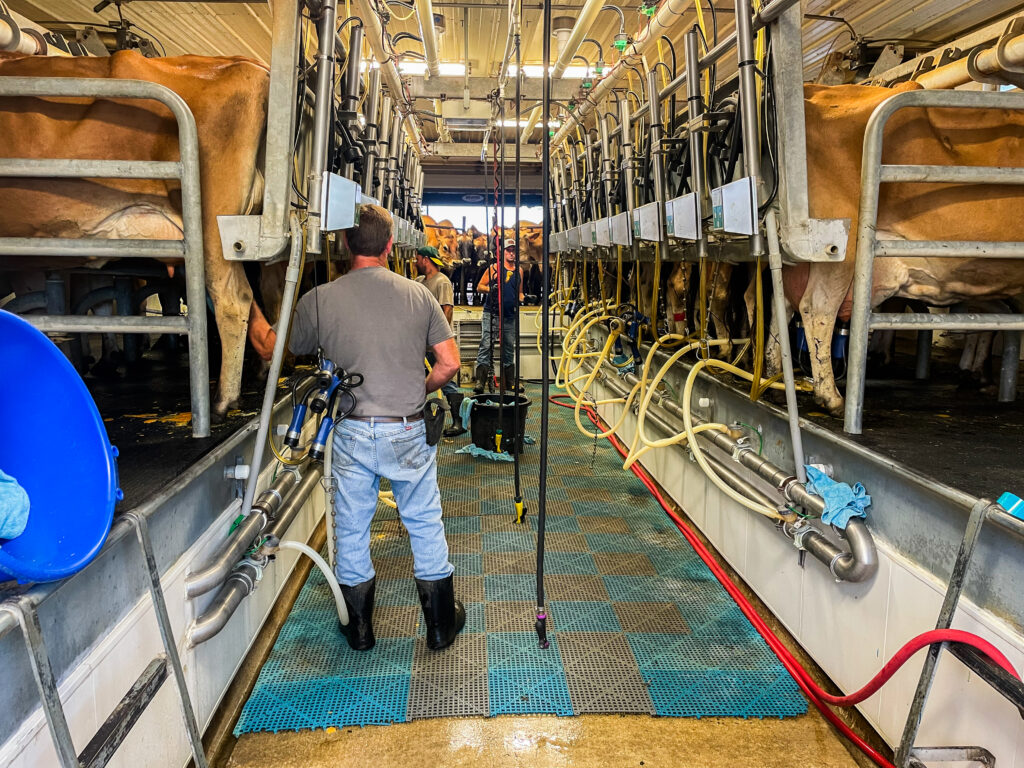
Visitors get to see the milking parlor. Then they can see the processing room, where the milk is handled and put into jugs.
Suddenly, a gallon of milk becomes more than a gallon of milk. It has a backstory.
For Carmen, that educational component is one of the most valuable things the farm can offer. She wants visitors to leave with a better impression of farming and a better understanding of what goes into producing their food.
“We want people to have a positive attitude about farmers,” Carmen says.
“We believe here at Kilgus Farmstead we need to advocate for the future of farmers,” she says. “And we want to do what we can to promote agriculture and agriculture retail.”
The business case for keeping a family farm
For all the talk about specialty milk, restaurant accounts and retail expansion, there is another reason the Kilgus family embraced retail.
People.
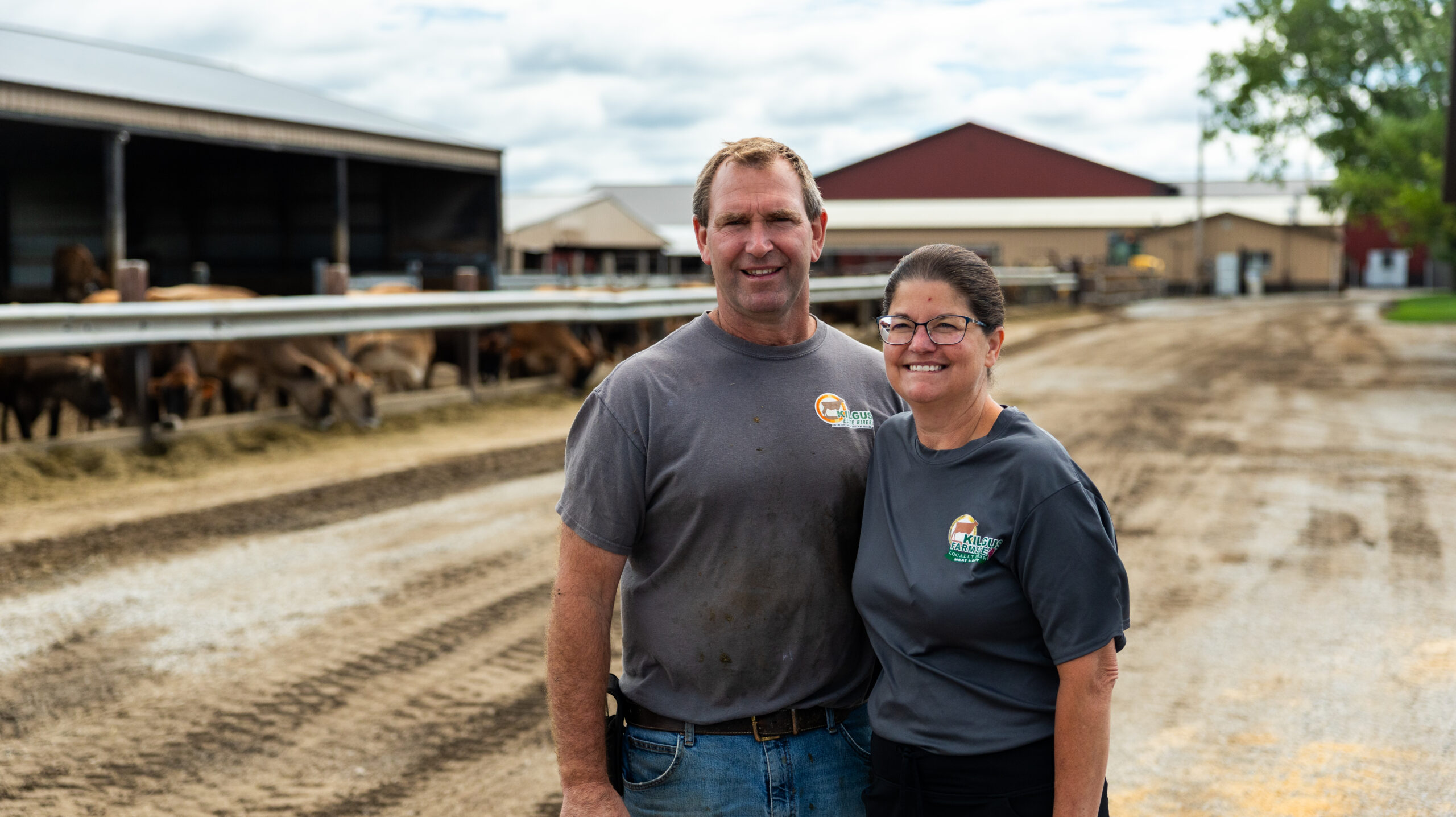
Carmen’s husband, Paul, works alongside their sons Justin and Trent, as well as with Paul’s nephew, Matt. The family structure gives everyone a role and the younger generation a reason to be part of the farm.
“The goal was, if our children wanted to come back to the farm, that the opportunity would be here for them to come back and carry on the legacy of the farm,” Carmen says.
Kilgus wanted to create opportunities for the next generation without turning the family farm into a mega-operation. Retail provided another avenue for that family goal.
Carmen says she has come to appreciate the unexpected ways that retail has changed the family’s relationship with the community.
“I love retail because I love working with people,” she says. “I enjoy meeting new people every day and helping them find healthy products to add to their family’s table.”
That interaction is particularly rewarding after the work required to produce the products in the first place.
“Our operation here is a labor of love,” Carmen says. “It’s a lot of hard hours, a lot of sweat. But the end product is worth it all day.
“The most rewarding part of our business here is having satisfied customers,” she says. “When you have someone come in and say they feel so much healthier after eating our products, that’s what it’s all about.”
Agriculture, with a cash register
There is a tendency to think of retail and agriculture as two separate industries.
At Kilgus Farmstead, those industries have become intertwined.
The farm produces the milk and meat. Retail gives those products another route to the consumer. Restaurant customers help inspire new products. Visitors arrive to learn how food is produced. Local shoppers provide a customer base. Coffee houses create another market for the farm’s distinctive milk, and the family gets another reason to keep farming.
“When we opened up the farm in 2009 to retail, I don’t believe any of us had any idea that this is where we would be today,” Carmen says.
The store kept growing. The product selection grew. The customer base grew. The family expanded the physical space to keep up.
What began as an effort to eliminate a middleman eventually became something considerably more consequential.
It became another piece of the farm itself.
“Illinois is known for agriculture, corn, soybeans,” Carmen states simply. “Here at Kilgus Farmstead, we have taken that to the next level with our agriculture retail.”