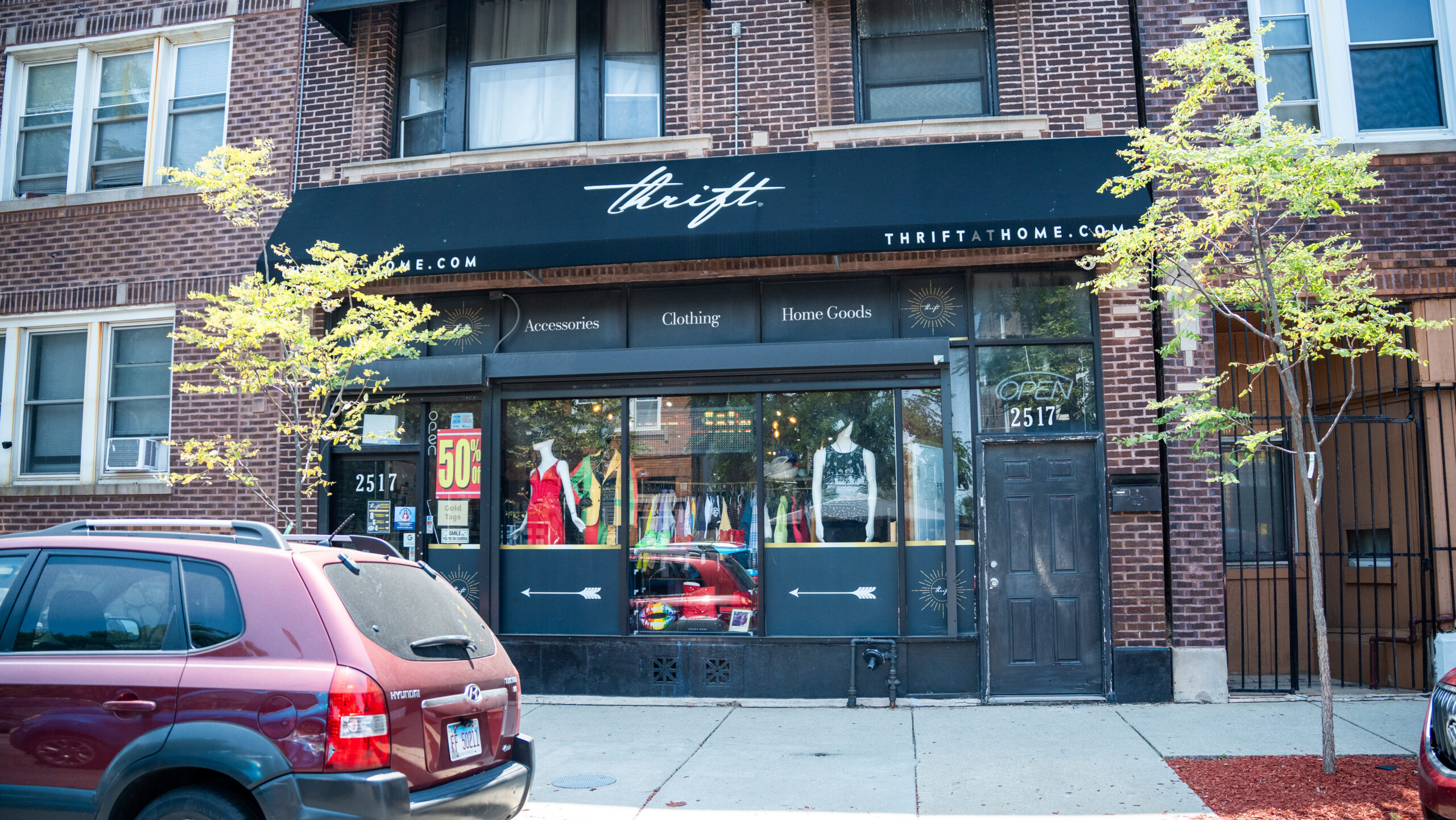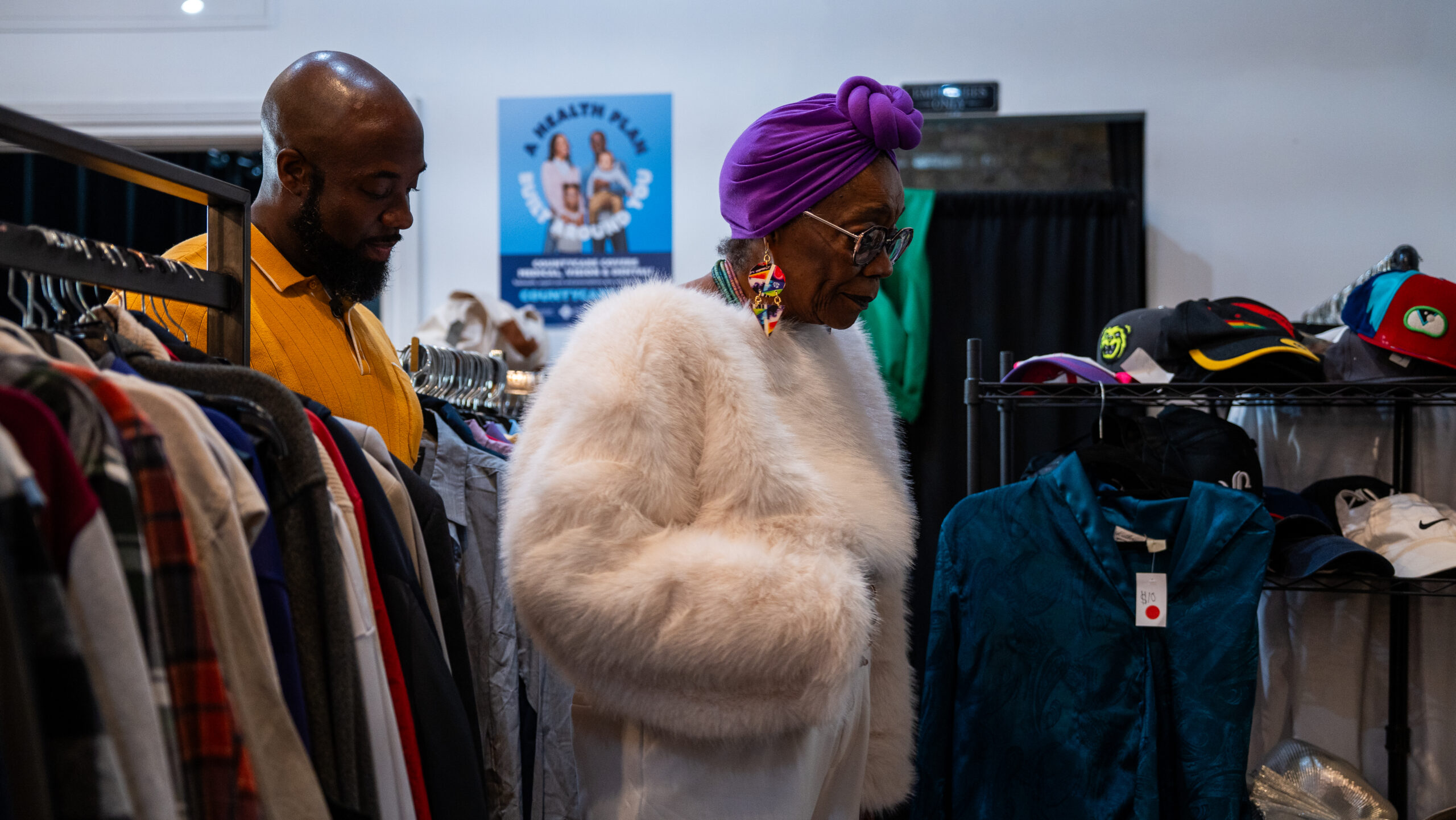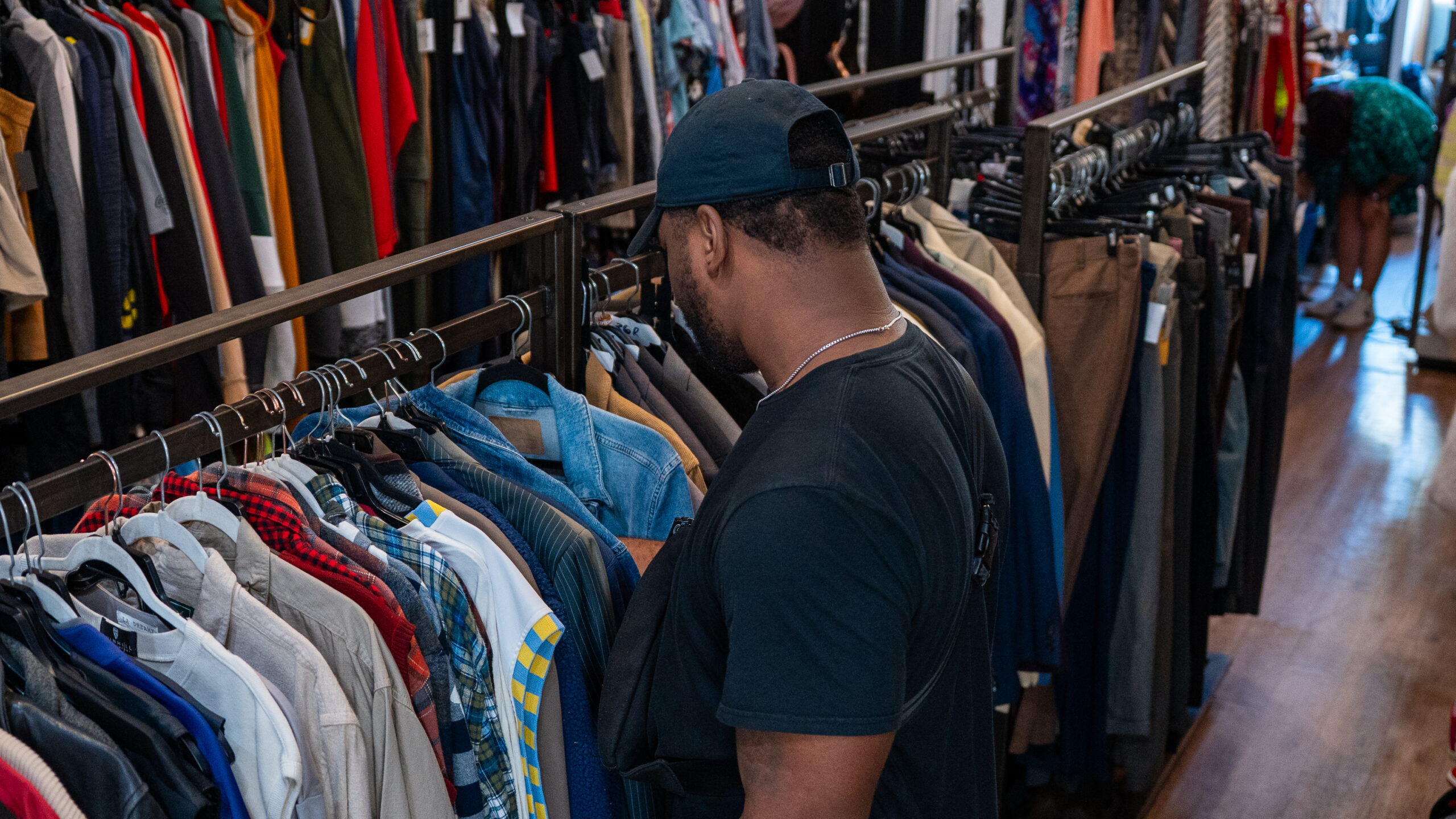
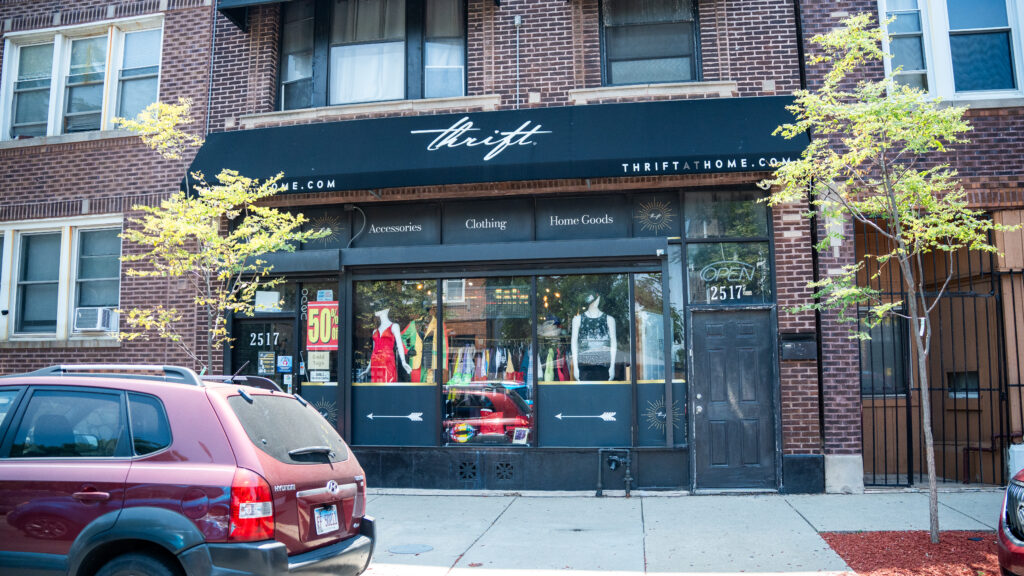
On the third Friday of every month, something unique happens outside Thrift, LLC in the Chicago Lawn neighborhood about eight miles southwest of the city’s downtown Loop.
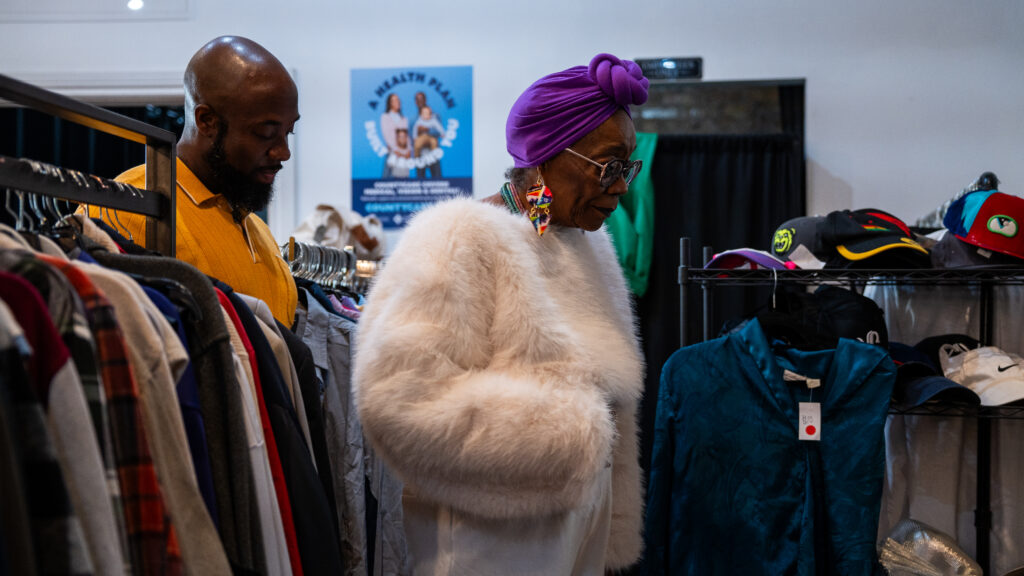
Racks of clothing come out. Bins and tables get set up, and members of the community are invited to take what they need. No application. No qualifications. No price tags.
“It’s been put in our heart to do Free Fridays,” says Jeremy Wright, CEO of Thrift, LLC. “We put out clothing for folks to come and grab it if they need it, no matter what their status is.”
Maybe someone is homeless. Maybe someone is preparing for a job interview. Maybe a family is simply trying to stretch a tight budget.
“Whatever it is,” Jeremy says, “we’re going to put the clothes out there and let people get it. It’s 100% free.”
For Jeremy, Free Fridays are about more than giving away clothing. They reflect the philosophy behind the business he has spent the last decade building: a retailer should not merely exist inside a community. They should embrace the community at its core.
That philosophy has helped transform Thrift, LLC into a brick-and-mortar that is considerably bigger in its footprint than a traditional thrift store.
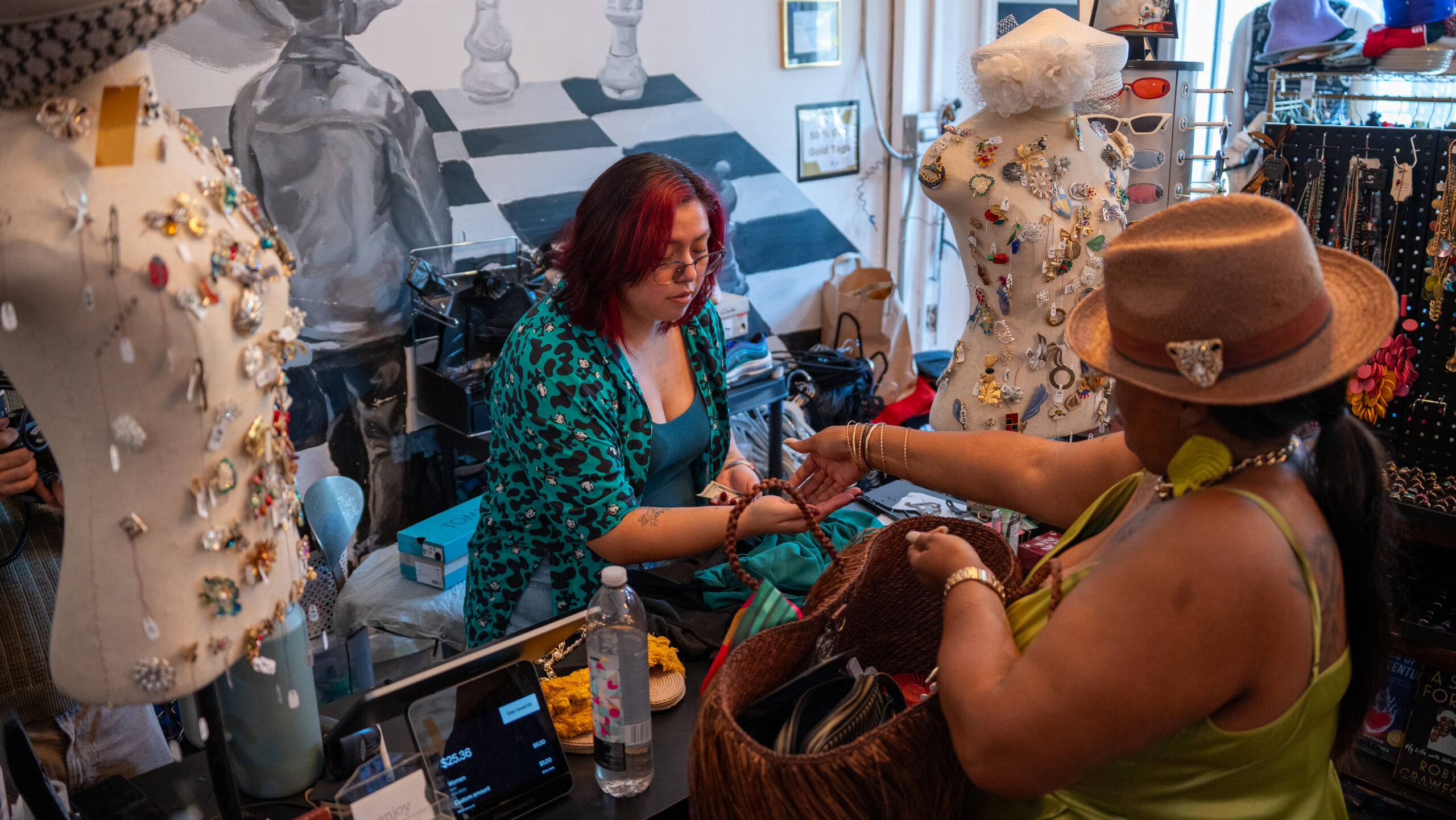
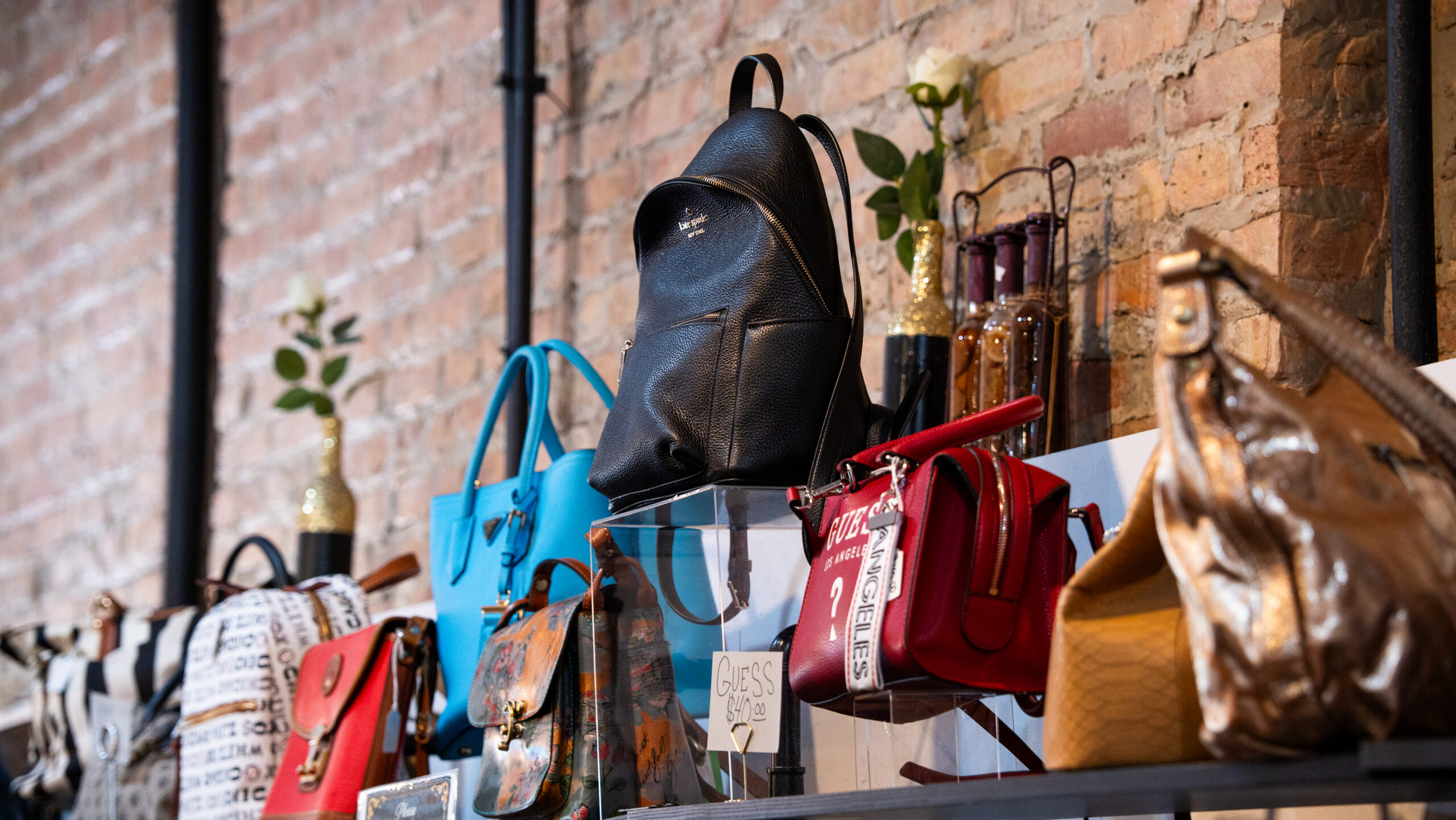
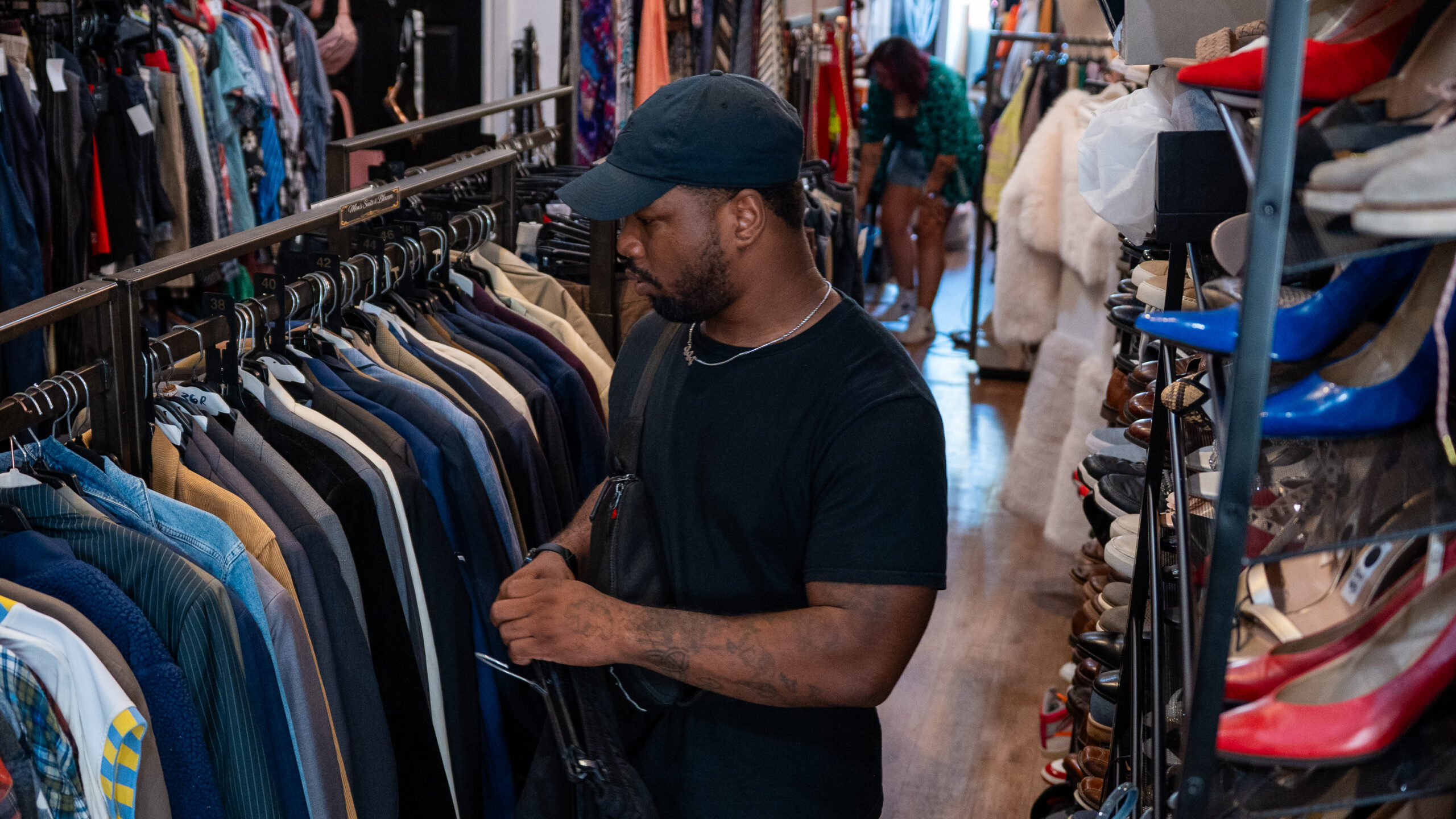
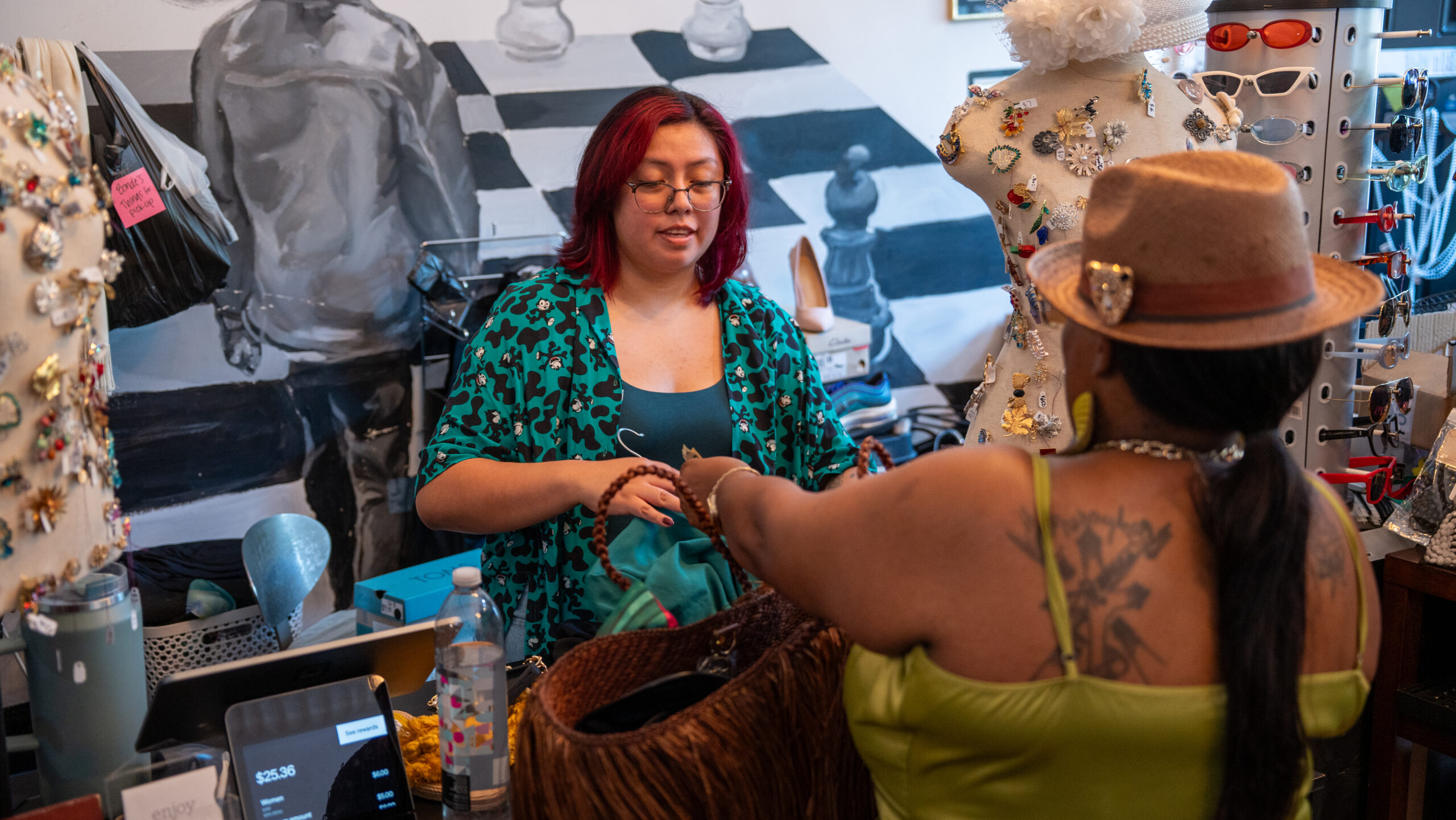
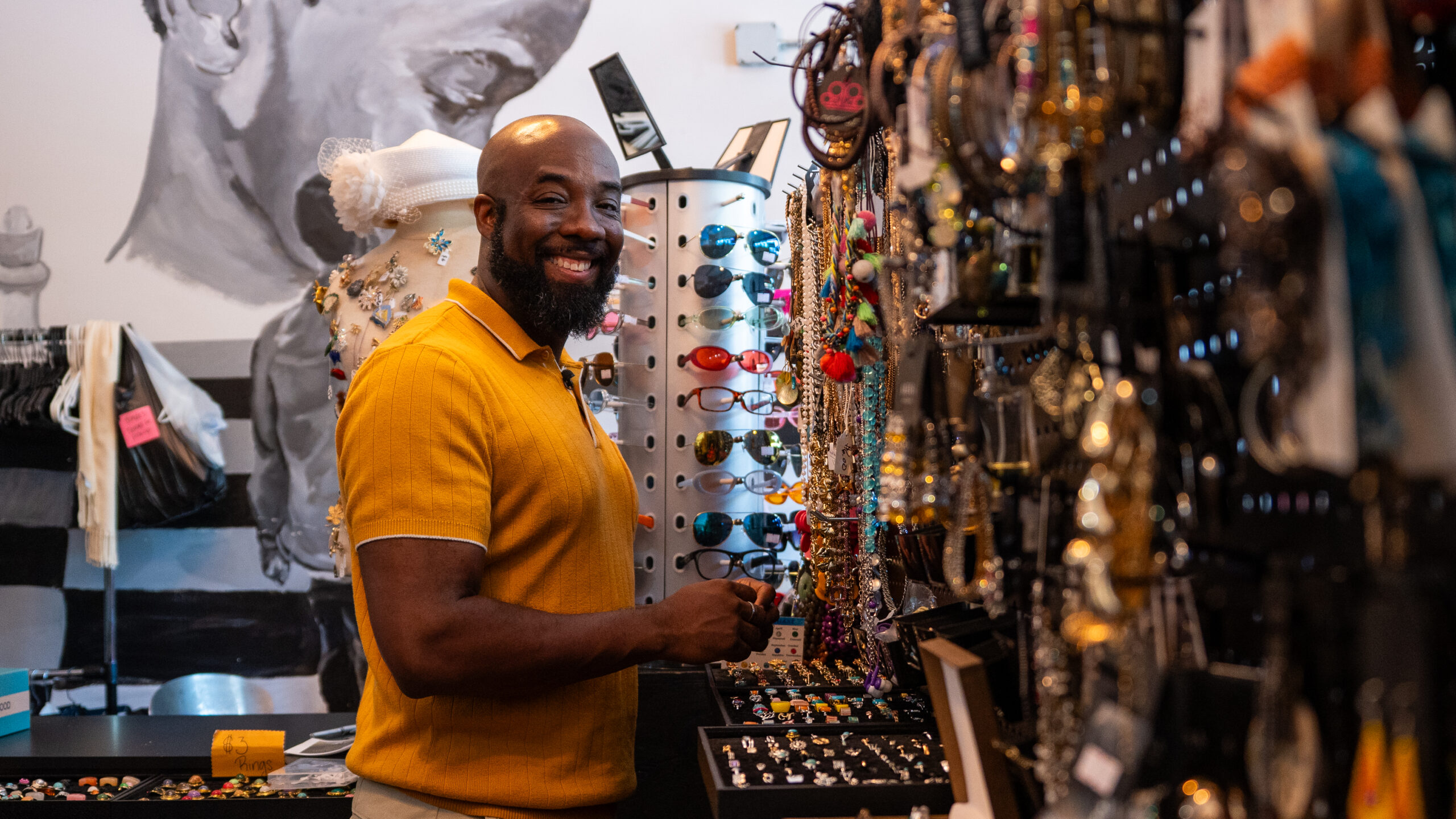
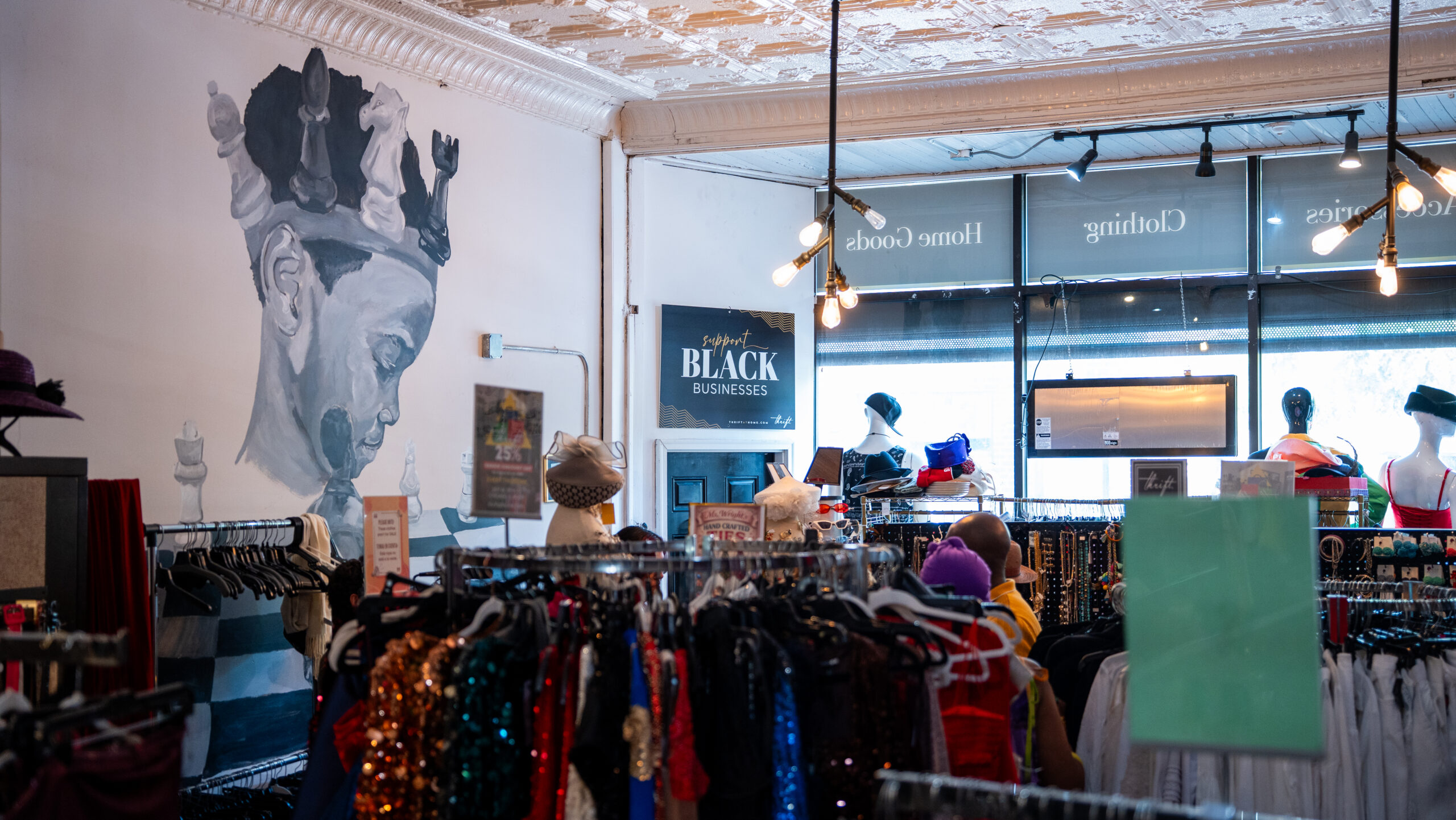
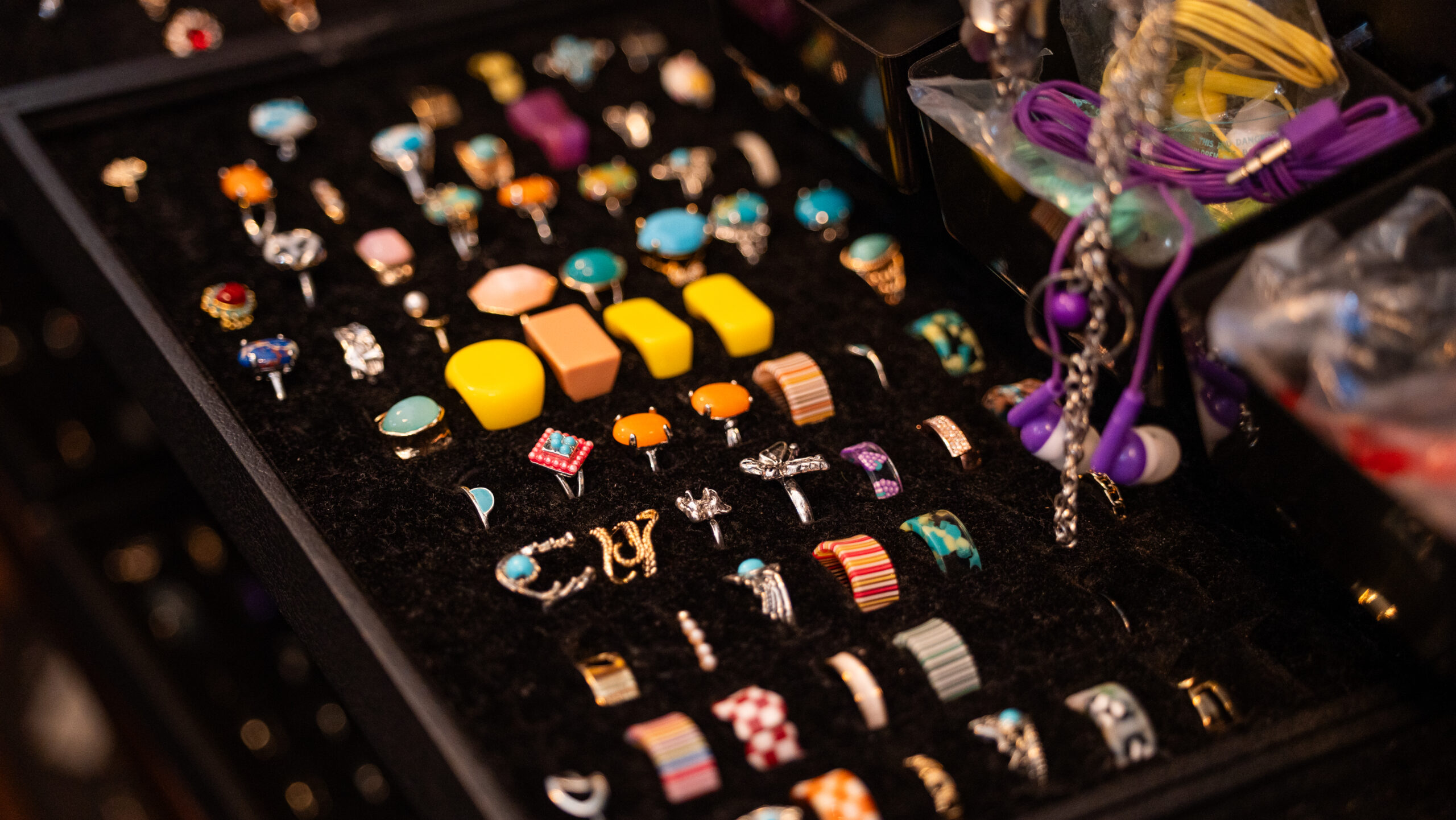
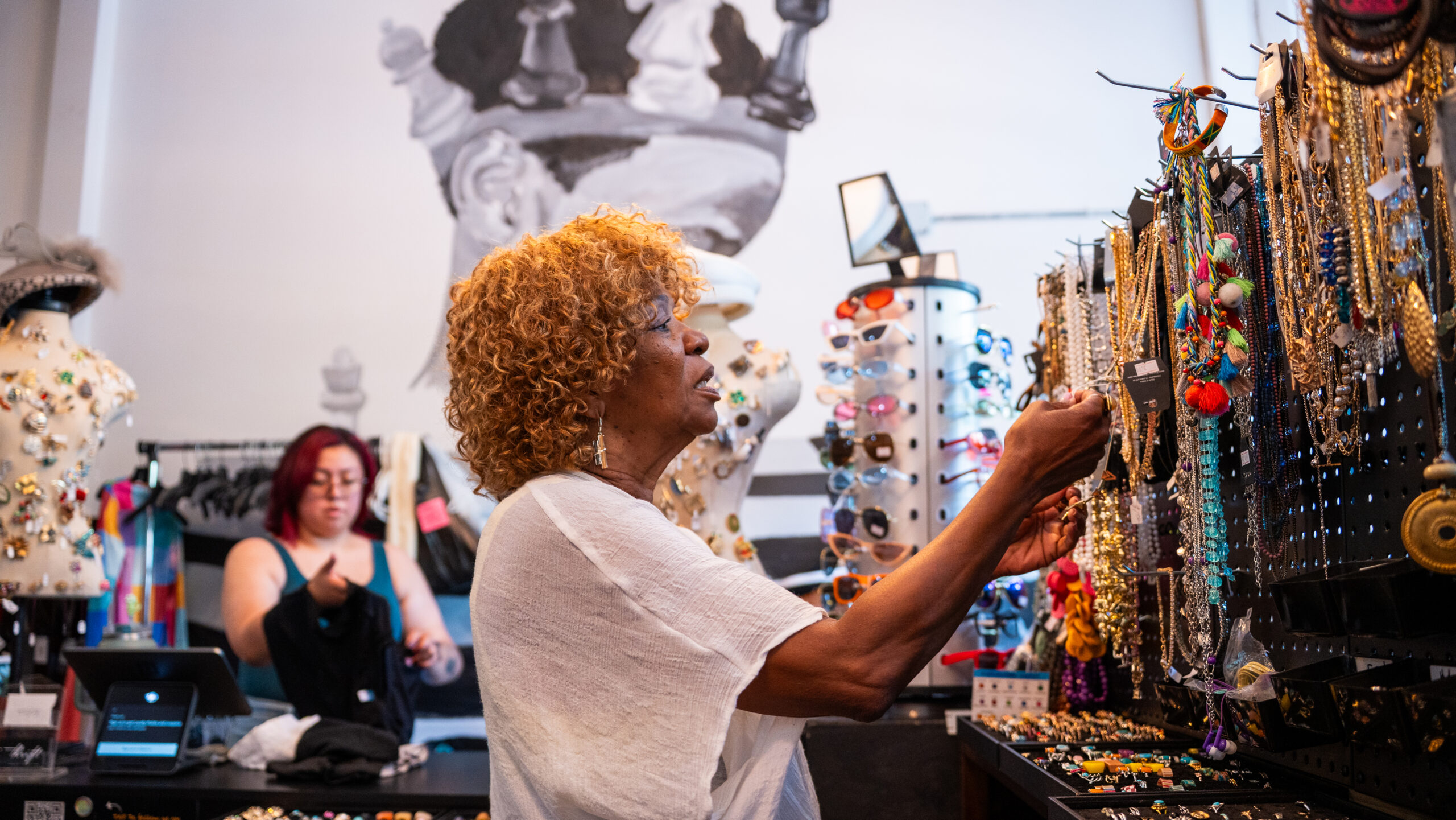
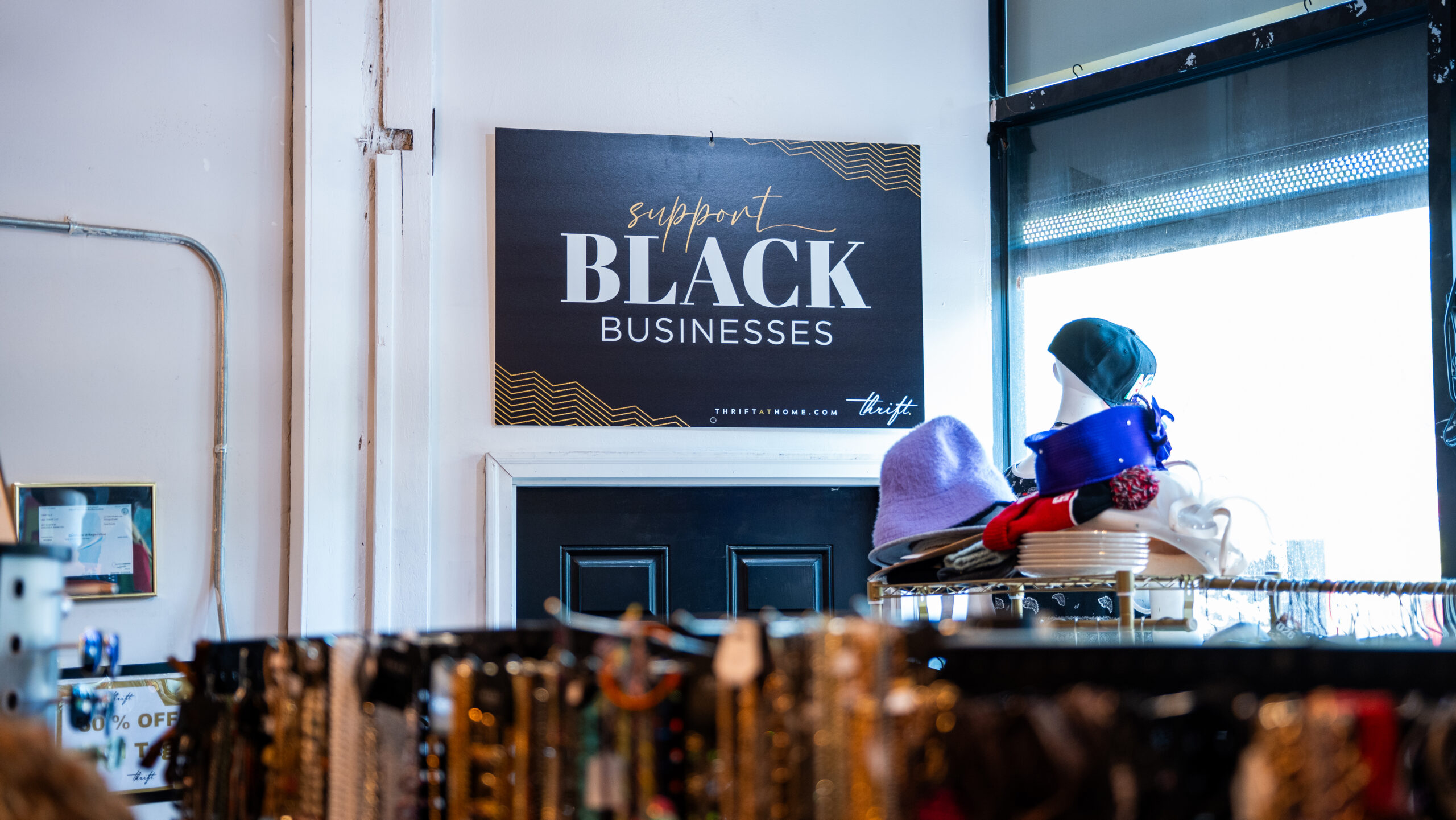
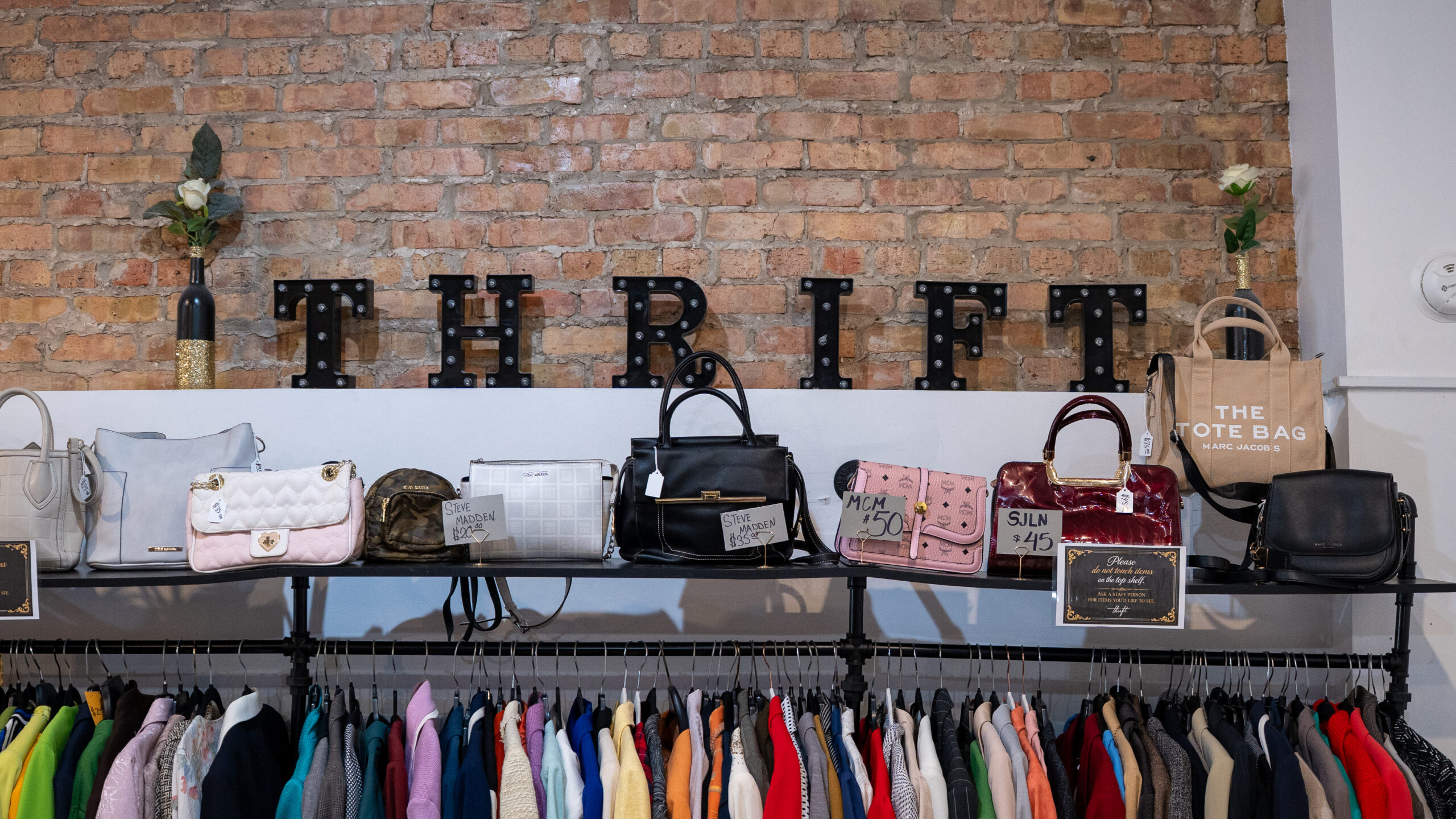
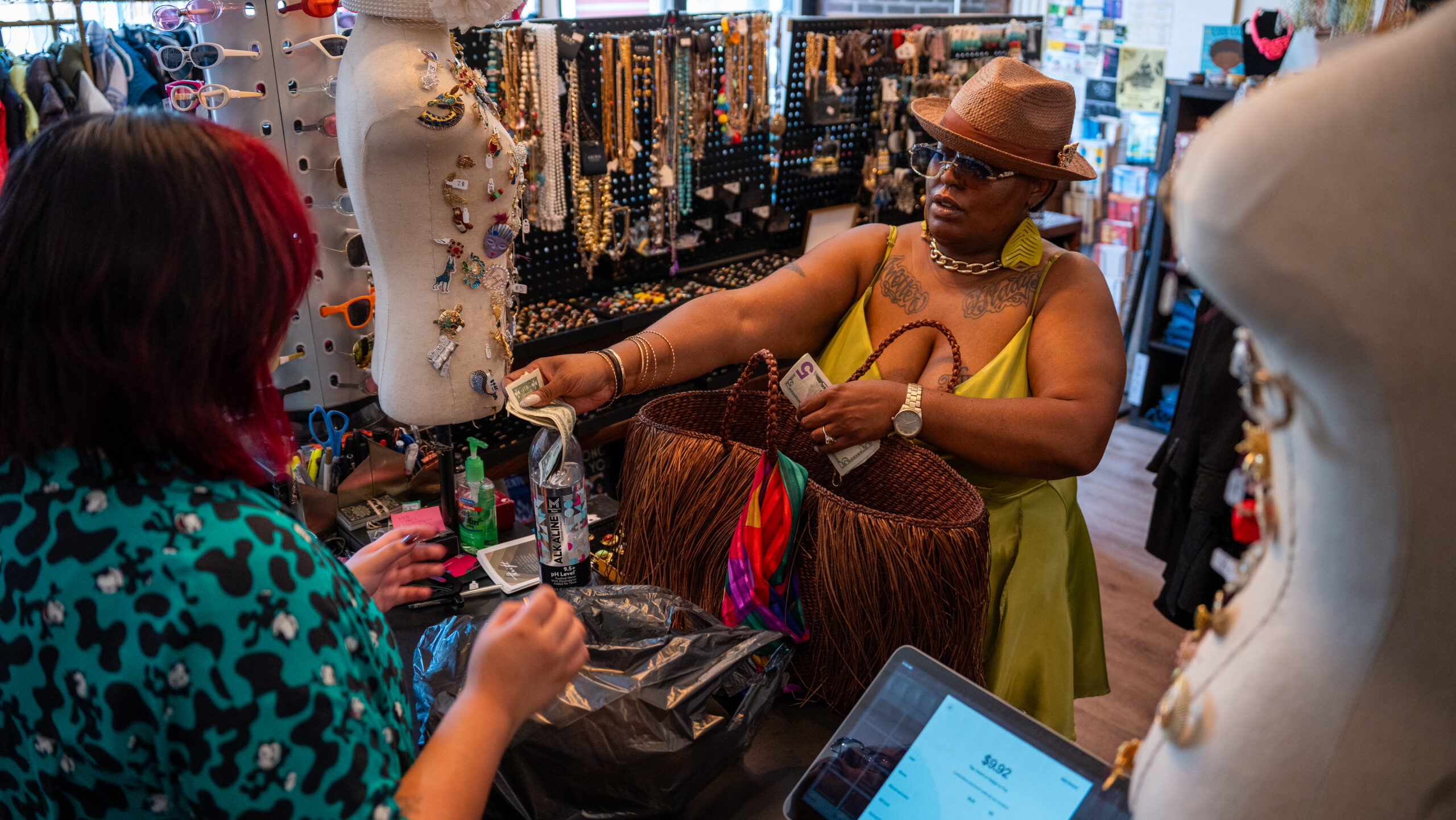
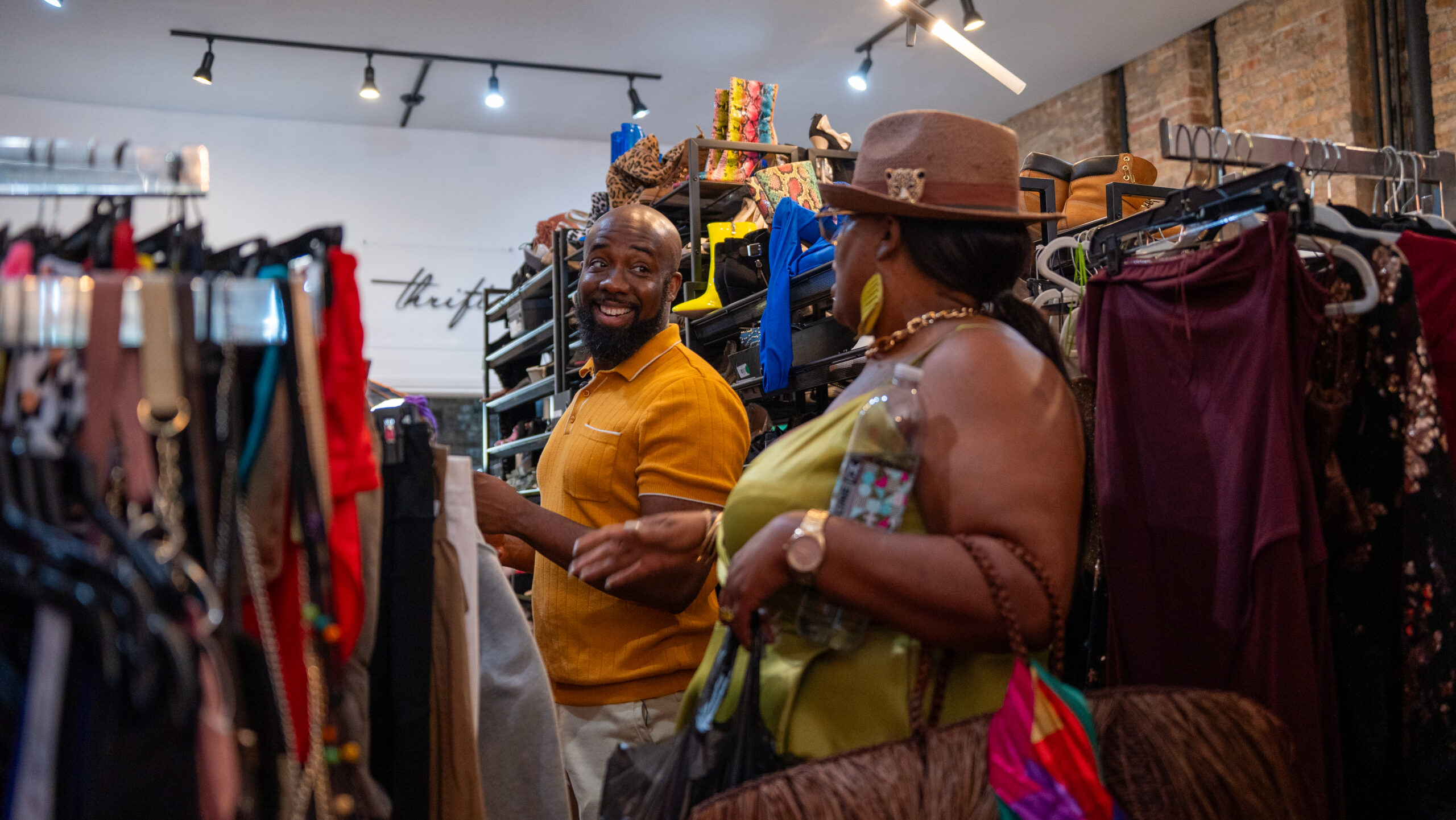
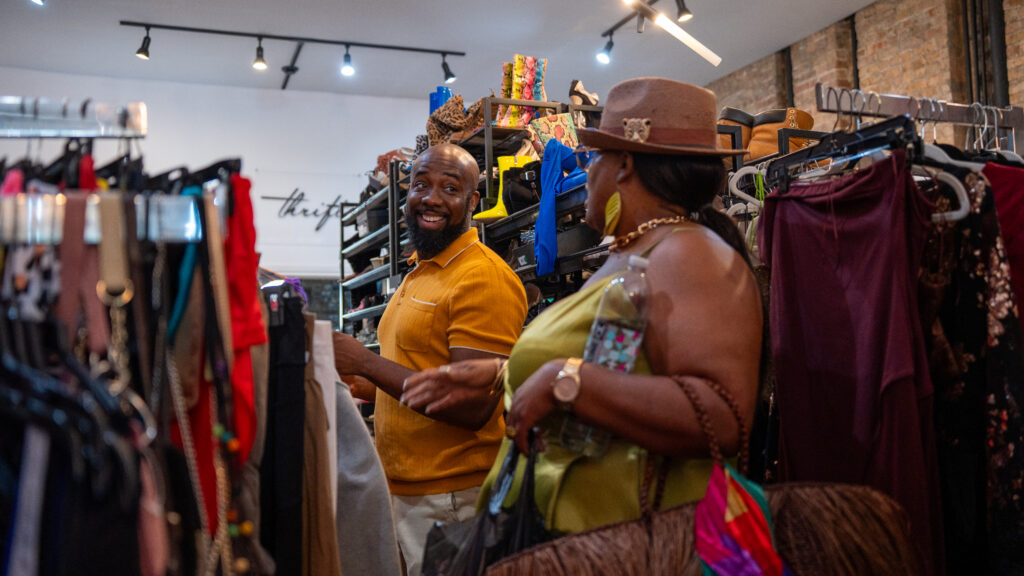
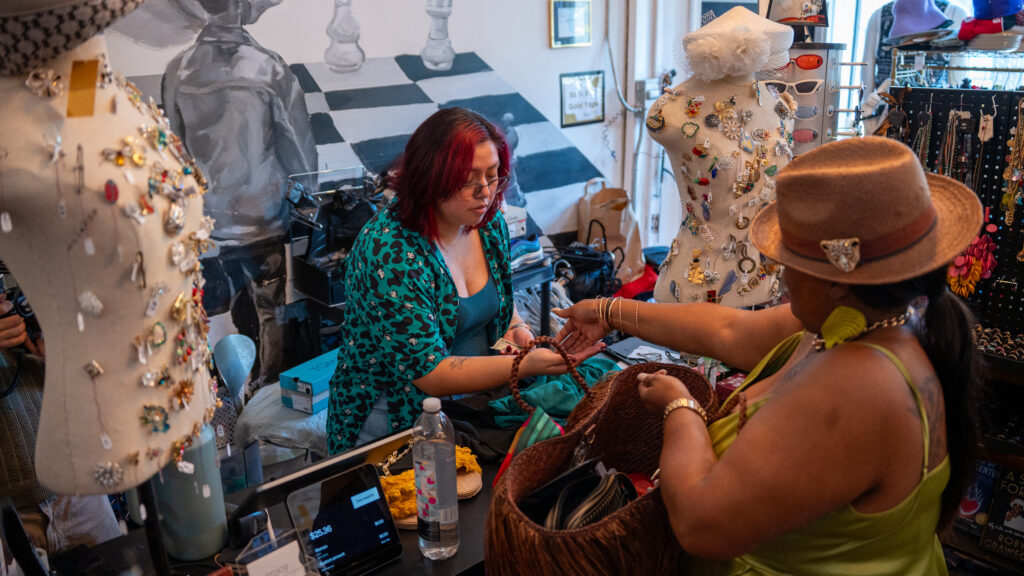
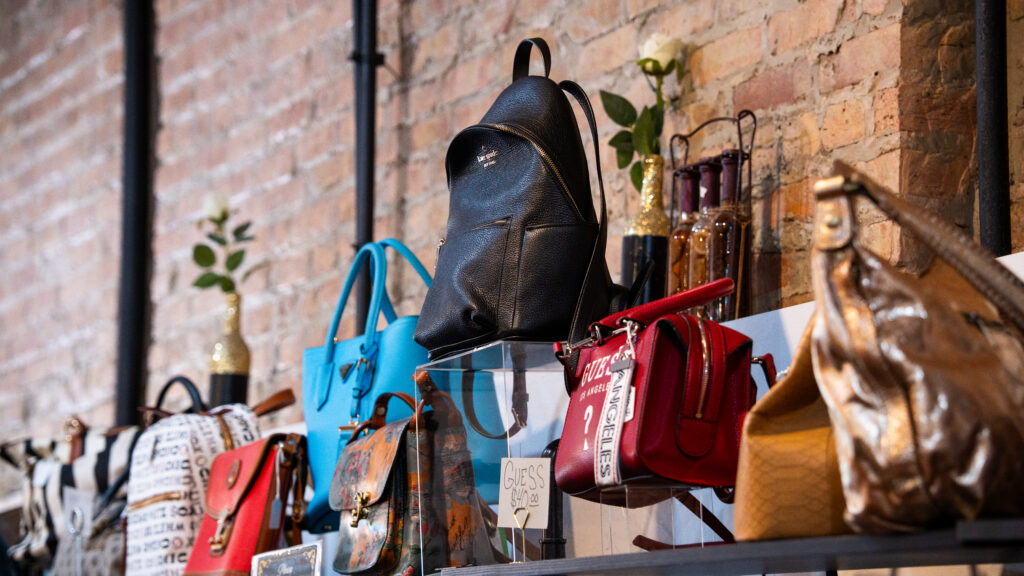
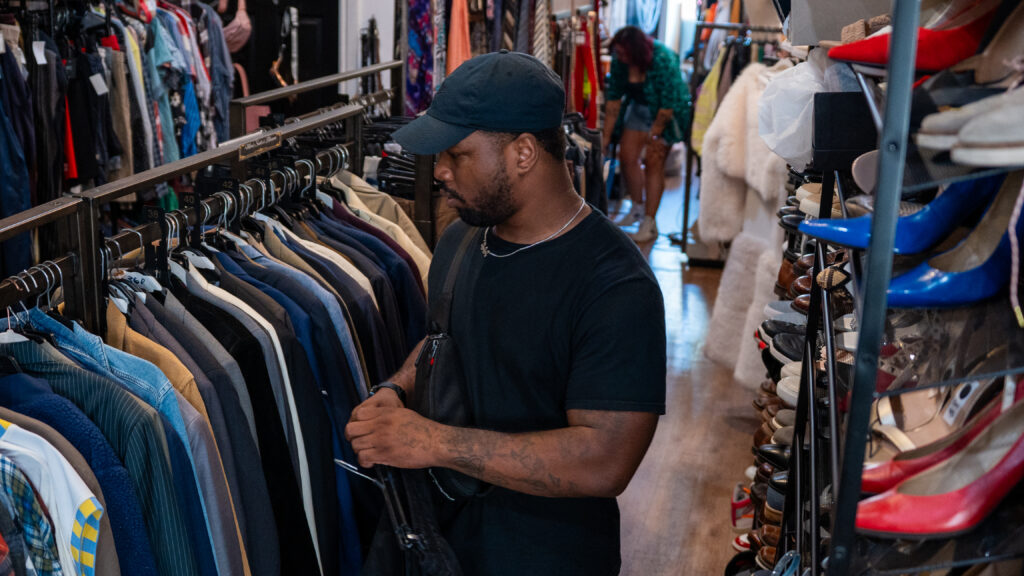
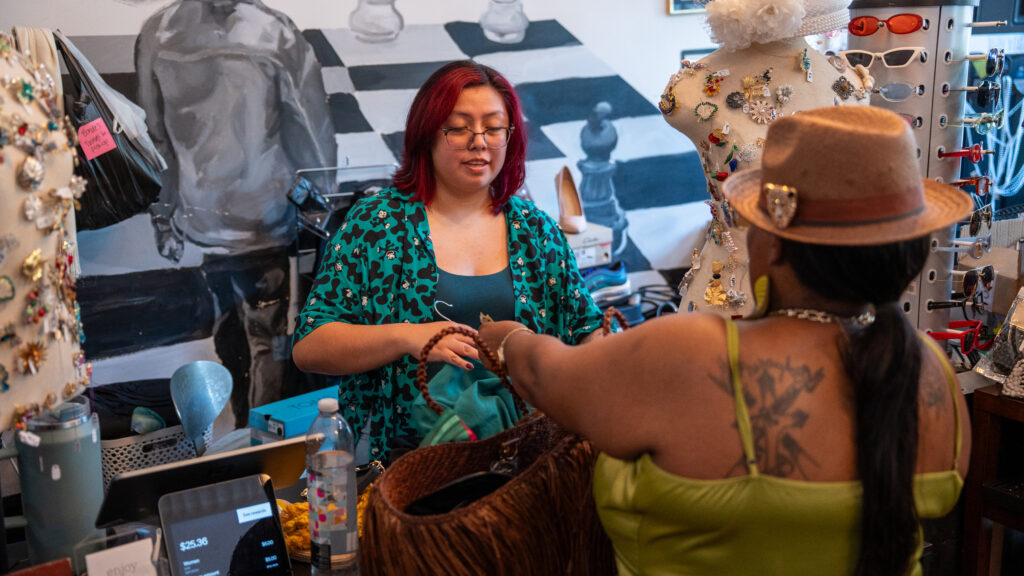
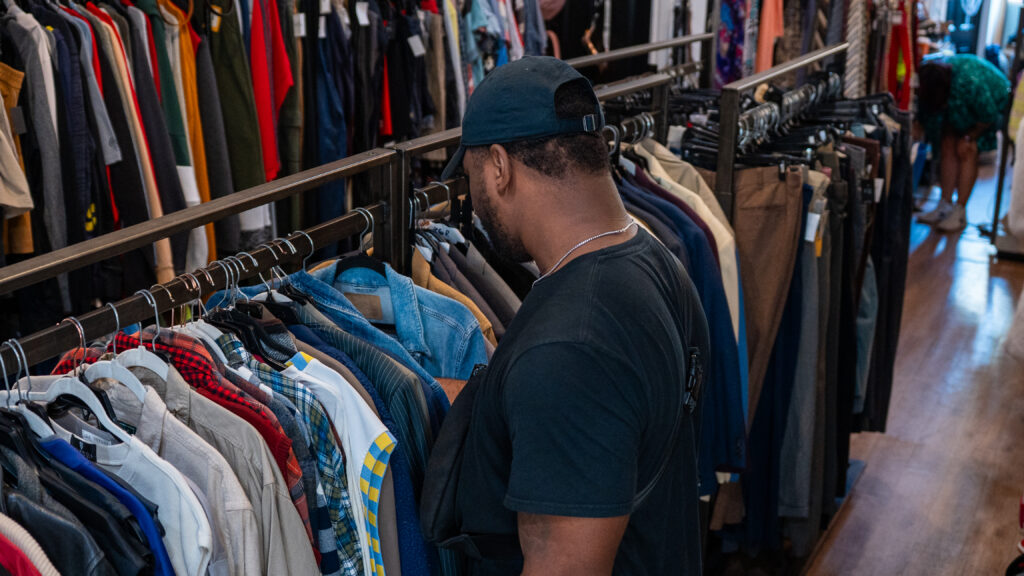
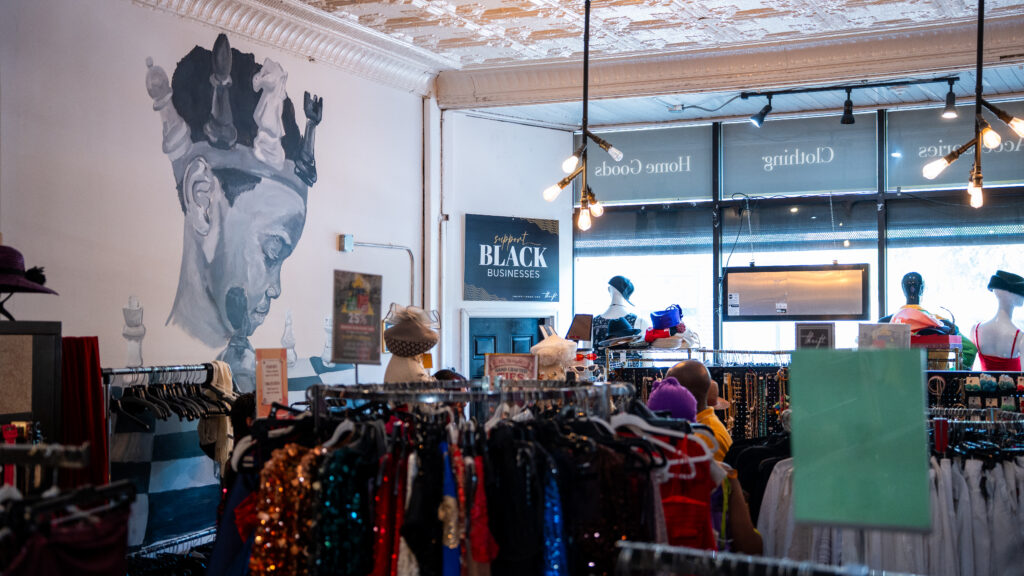
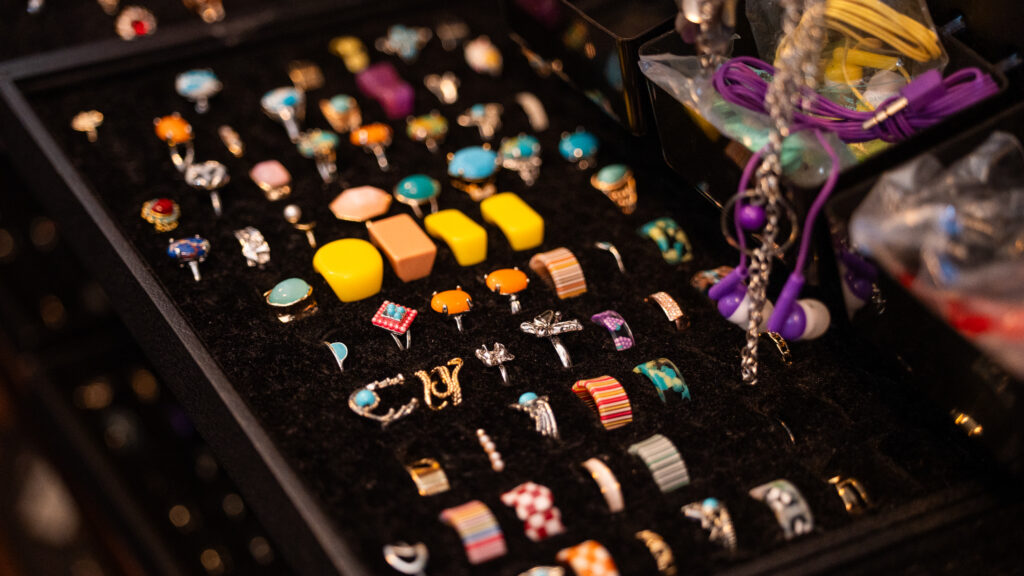
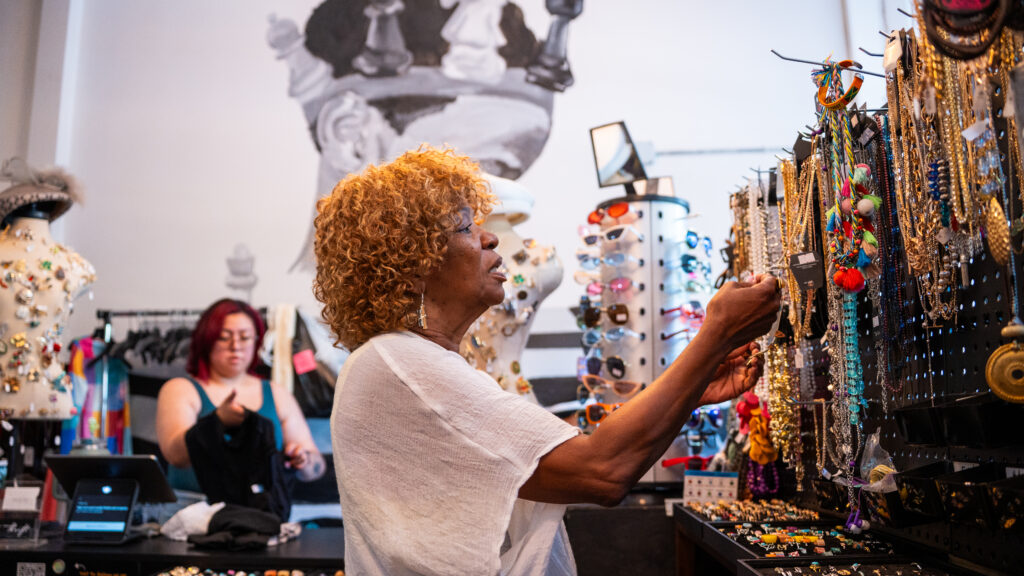
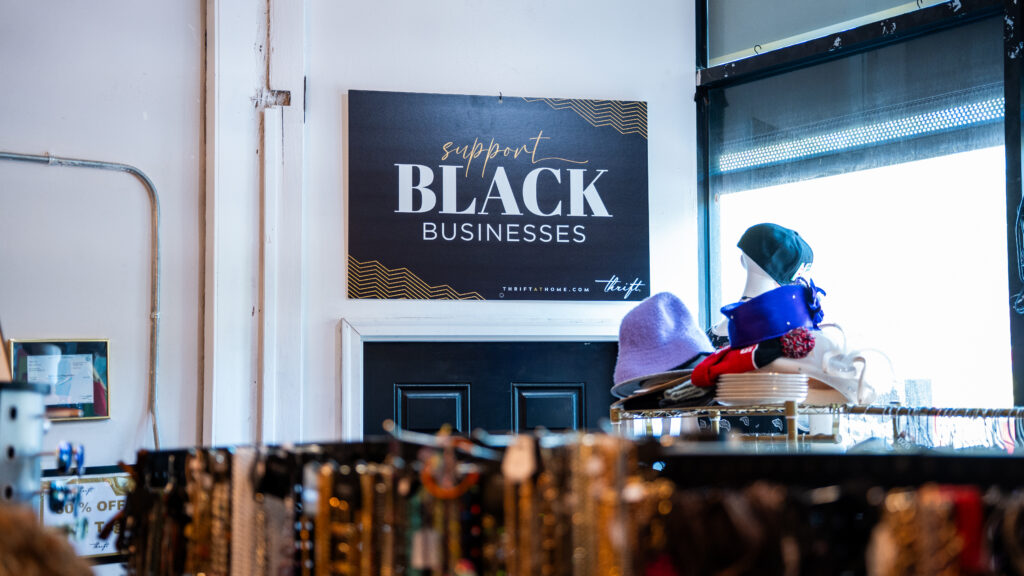
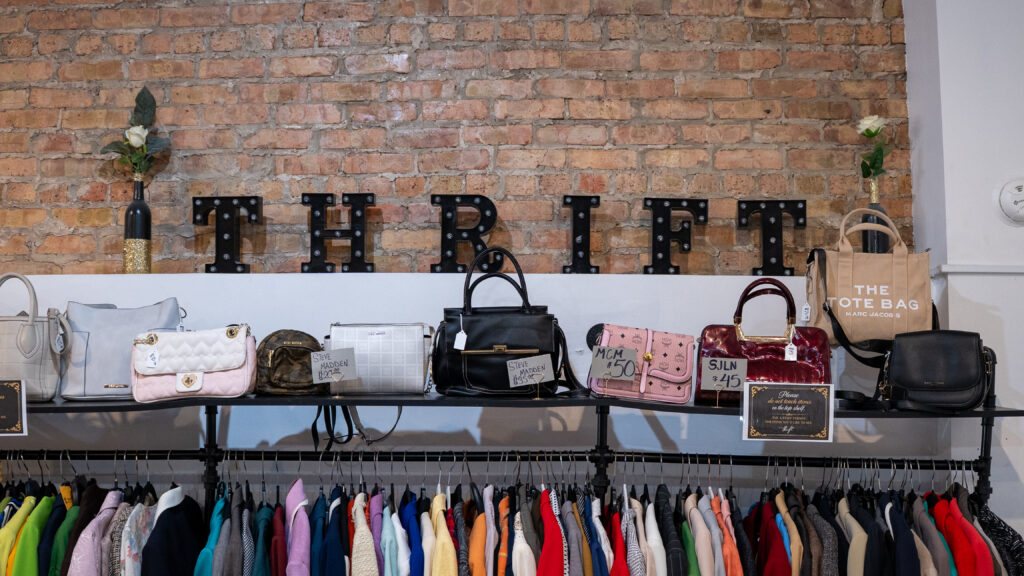
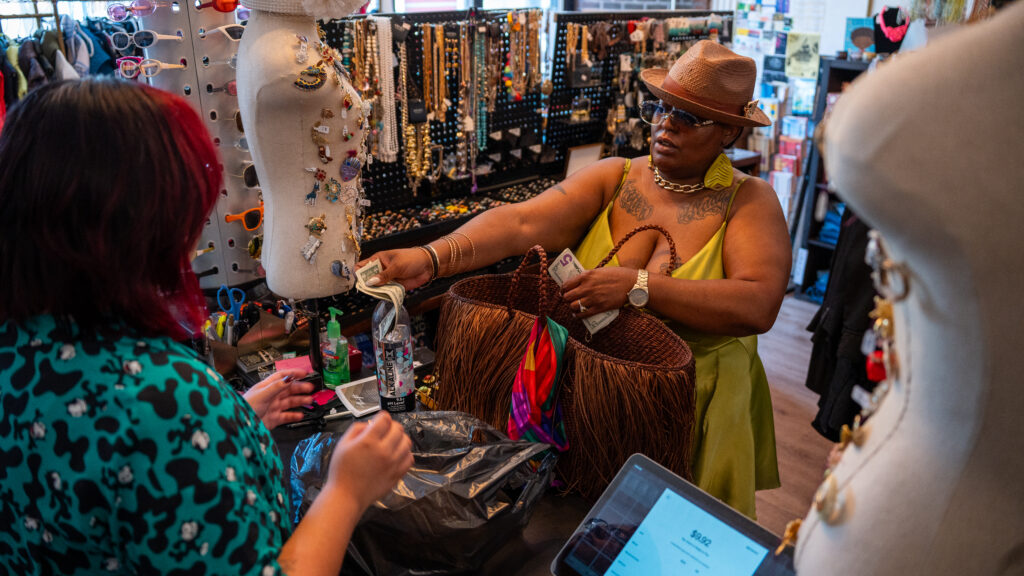
Thrift, LLC sells men’s and women’s clothing, accessories, luxury bags and vinyl records. The business also serves as a community hub, with event space and product lines from 17 other Black-owned businesses ranging from bath and body products to custom-designed items.
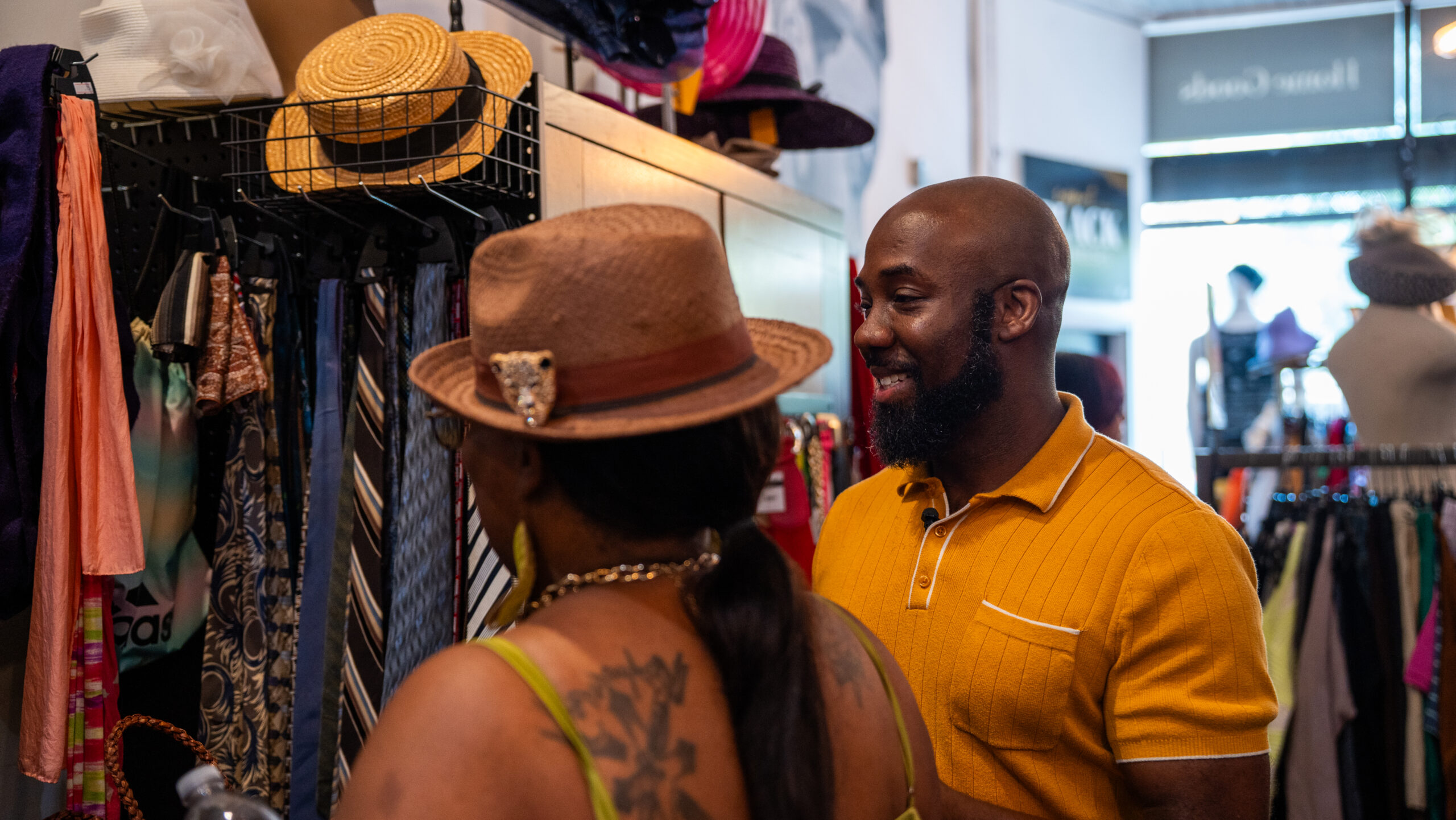
“I think people like our store because it’s a family atmosphere,” he says. “It’s going to make people feel warm and fuzzy and like they’re a part of something.”
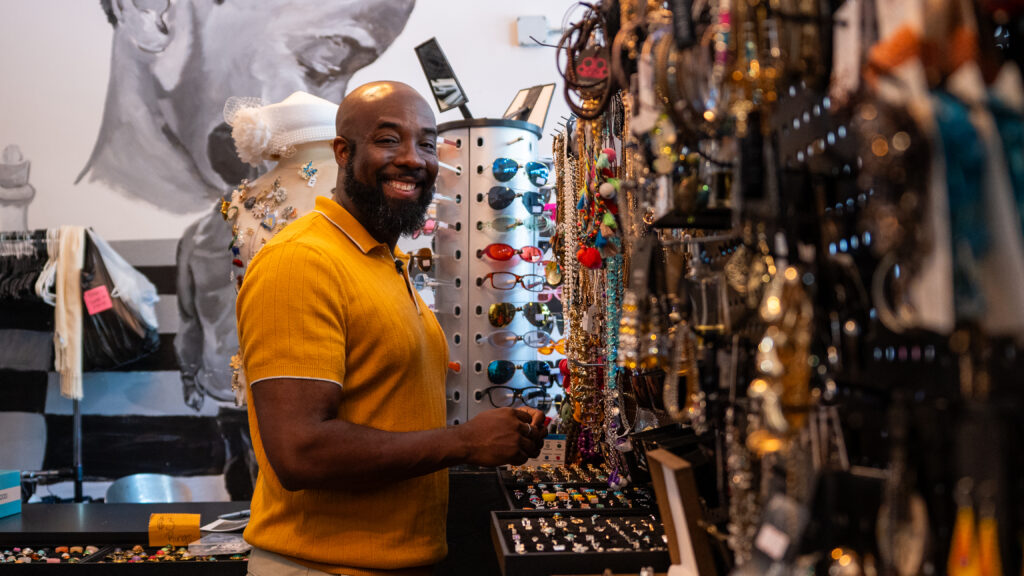
A business built around community
Thrift, LLC has operated from its brick-and-mortar location for more than five years, but the business itself has been around for a decade.
Jeremy started the company with a partner with a mission that was grander than selling clothes.
“We started the business to really look at how we could do the circulation of the Black dollar in our community,” Jeremy says.
“People would be able to donate, would be able to buy, and would be able to have events and community with us,” he says. “That was the genesis of the organization.”
Before finding a permanent location, Jeremy and his partner took the concept wherever they could. They participated in pop-ups, community garage sales and festivals. Jeremy even operated an invite-only store from the basement of his home.
But his long-term ambition never wavered.
“The goal was always to have a brick and mortar, because we wanted that community hub feeling,” he says.
Finding the right location took time. Jeremy said he wanted a building where he could live and work, allowing him to manage some of the costs of operating a small business.
“It was a complete change of lifestyle for me,” Jeremy says. “I believe so much in the business that I sold my house so that we could have additional income for the business.”
He reinvested some of that money into Thrift, LLC. Today, Jeremy walks upstairs from his store at the end of his work day to his home. He lives in the very building where he works.
“I have a unique understanding of what people are experiencing in my community,” he says. “And I’m an active part of that community as a resident as well as a business owner.”
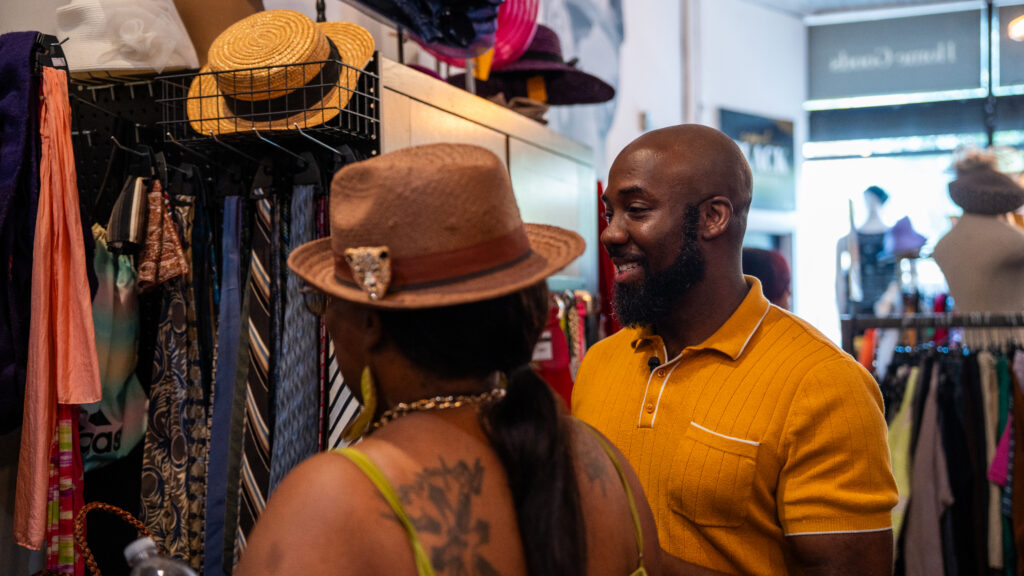
From healthcare to retail
Before becoming a full-time entrepreneur, Jeremy spent 15 years working in healthcare, primarily in community health. He served as an operations director for clinics and continued working in healthcare while growing Thrift, LLC.
In fact, it was only about three years ago that entrepreneurship became his full-time career.
At first glance, healthcare administration and operating a thrift store might seem like two completely different worlds. Jeremy sees a clear connection.
“I think that my understanding innately, that community is business,” he says. “Business is not devoid of your community interaction.”
His years in healthcare taught him the importance of partnerships and relationships. Healthcare providers need to understand the needs of the people they serve and build relationships with other organizations that can help meet those needs.
Jeremy brought that same mindset into retail.
“In healthcare, you have to have partnerships and relationships,” he says. “You have to understand what the needs of the community are so you can get ahead of that.
“I walked into this business (Thrift, LLC) understanding that I had to understand the environment around me and the community so that I could participate, and so that I could be successful as a business.”
More than affordable clothing
For Jeremy, affordability has always been one of the appeals of thrifting.
“What I like about thrifting is that it’s economical, that it is going to save your pockets and that you’re going to have unique things that nobody else is going to have.”
“I’ve been thrifting since probably late high school,” he says.
He remembers putting together his own homecoming outfit during college, because he did not have much money to spend.
“I had to put it together, and I did that well through thrifting.”
Today, he still appreciates the benefits of thrifting, but also recognizes that sometimes even thrift-store prices can be beyond someone’s budget.
That is where Free Fridays come in.
“It’s not just the homeless, but the community at large, because everybody might have need every once in a while,” he says.
He wants customers to walk away feeling as though they experienced something more meaningful than a retail transaction.
“When my customers walk out of Thrift, I want them to feel like they have had an experience with a friend or family member, versus they’ve had a transaction. I want them to feel like this is a place that they can come. I want them to have a sense of ownership of the organization,” Jeremy expressed with a palpable sense of pride.
How a community takes care of its business
Jeremy tells a story about accidentally leaving the front door unlocked one day at Thrift, LLC. Someone entered the store and realized no one was inside. Instead of taking advantage of the situation, that person called the police.
“They didn’t take anything. They didn’t look for anything,” Jeremy recalls. “They just looked out for us.”
Jeremy returned to find police officers at the store after someone had reported the unlocked door. He even received a Facebook message alerting him to what had happened. For Jeremy, the experience reinforced something he already believed.
“We’ve had this kind of great relationship that’s protecting from our community because we invest in them.”
He believes businesses can become important community anchors when people understand that they are there to contribute rather than simply take.
“If you are adding to that and being a part of them getting their needs met, oftentimes they’re going to take care of you just as well,” he says.
Lessons for the next generation of retailers
Jeremy loves being an entrepreneur, even when the job is demanding.
“It is difficult work. It’s taxing work. It’s something that’s on my mind all the time,” he says. “But I think that it’s fun.”
One of the things he enjoys most is the ability to make decisions about where his business invests its time and resources.
“I get to choose to invest in things,” Jeremy says. “I get to make decisions about, ‘Hey, we’re going to give this person this thing,’ or, ‘We’re going to make this choice to invest in this part of the community.’”
For people considering opening a retail business, Jeremy advises you to “be married to the outcome and not the process.”
The retail environment changes quickly, he says, and successful retailers have to be willing to adapt.
“We are doing events. We’re online. We’re doing all kinds of things as they come up, because the outcome is what is important to me, not the process.
“We want to get people wonderful, great quality clothing and accessories at affordable prices in whatever manner we can do that.”
But Jeremy does not necessarily believe retail is the right career for everyone.
“I don’t know if I think anybody can be good at retail,” he says.
People can come into the industry from virtually any background, he believes, but success requires a high-level of resolve.
“I think that it takes a certain type of personality. I think you can come from any industry and be good at retail, but I think that it takes a certain type of tenacity to do retail.
“It takes a wherewithal and a stick-to-itiveness that is important for you if you’re going to be in a retail business.”
A message for Illinois legislators
Jeremy wants legislators in Illinois to know about the importance of small retailers, particularly businesses operating in communities like his.
First, he says, retailers face financial challenges that can be especially difficult for small businesses. Taxes and access to capital remain significant concerns.
For entrepreneurs trying to establish businesses in communities that may have experienced years of disinvestment, he believes additional resources are critical.
“You need ramp-up money,” he says. “You need capital investment to start in communities like this.”
As an African American retailer operating in a neighborhood with a higher-crime rate than the city’s average and a low-income population base of significant size, Jeremy says businesses need time and investment to establish themselves.
“We need investment for people to come back into the community,” he says. “Communities are not scary and dangerous, but they have to come back to support us as we grow.
“If you really care about us as people and our safety, you’re going to invest in businesses,” Jeremy says.
Businesses create jobs. They create destinations. And they help create the ecosystem that allows communities to grow.
“Businesses beget businesses,” Jeremy stressed.
He points to the tire shop across the street from Thrift, LLC as a simple example. Someone waiting for work on their car might walk into his store. One business can help support another.
But when businesses disappear, communities lose more than places to shop.
“I think everybody should care about what happens to retailers, even little retailers like us, because what happens to us is what happens to you,” Jeremy says.
His vision for retail extends well beyond a cash register or a shopping bag.
“If you want safe communities, if you want reduction in violence, if you want folks to feel vested in their community, you have to invest in those communities,” he says.
“You need retailers because people feel a sense of belonging. They feel like their community is important when there are resources there and folks there to meet the needs that they have.”
For Jeremy, that may be the real purpose behind Thrift, LLC.
It is a place to buy clothes. It is a place to discover Black-owned businesses. It is a place to hold events. And every third Friday, it is a place where someone who needs something can simply take it. No questions asked. Because sometimes, as Jeremy will tell you, investing in a community is the best way to build a business. And sometimes, that community invests right back.