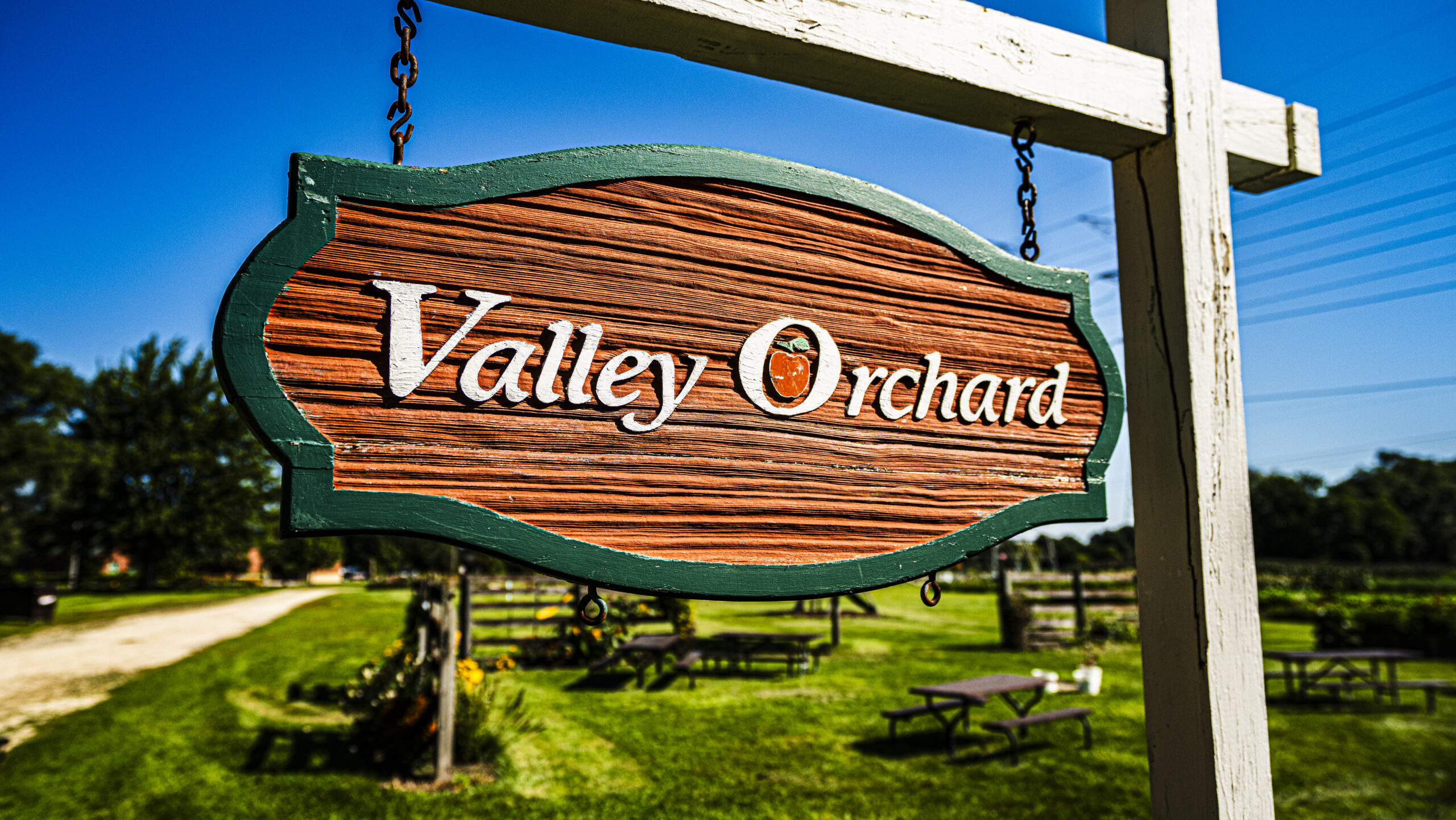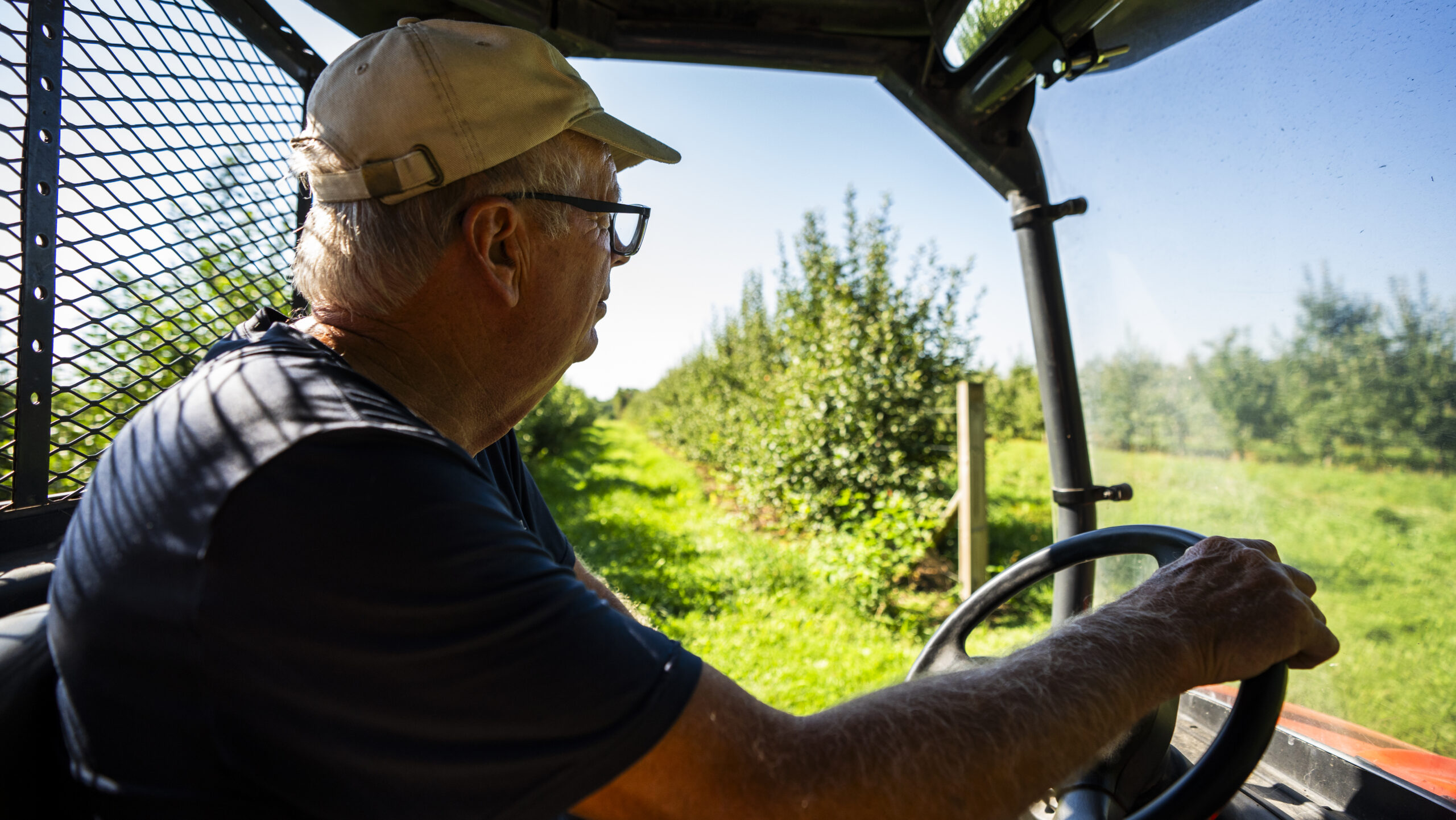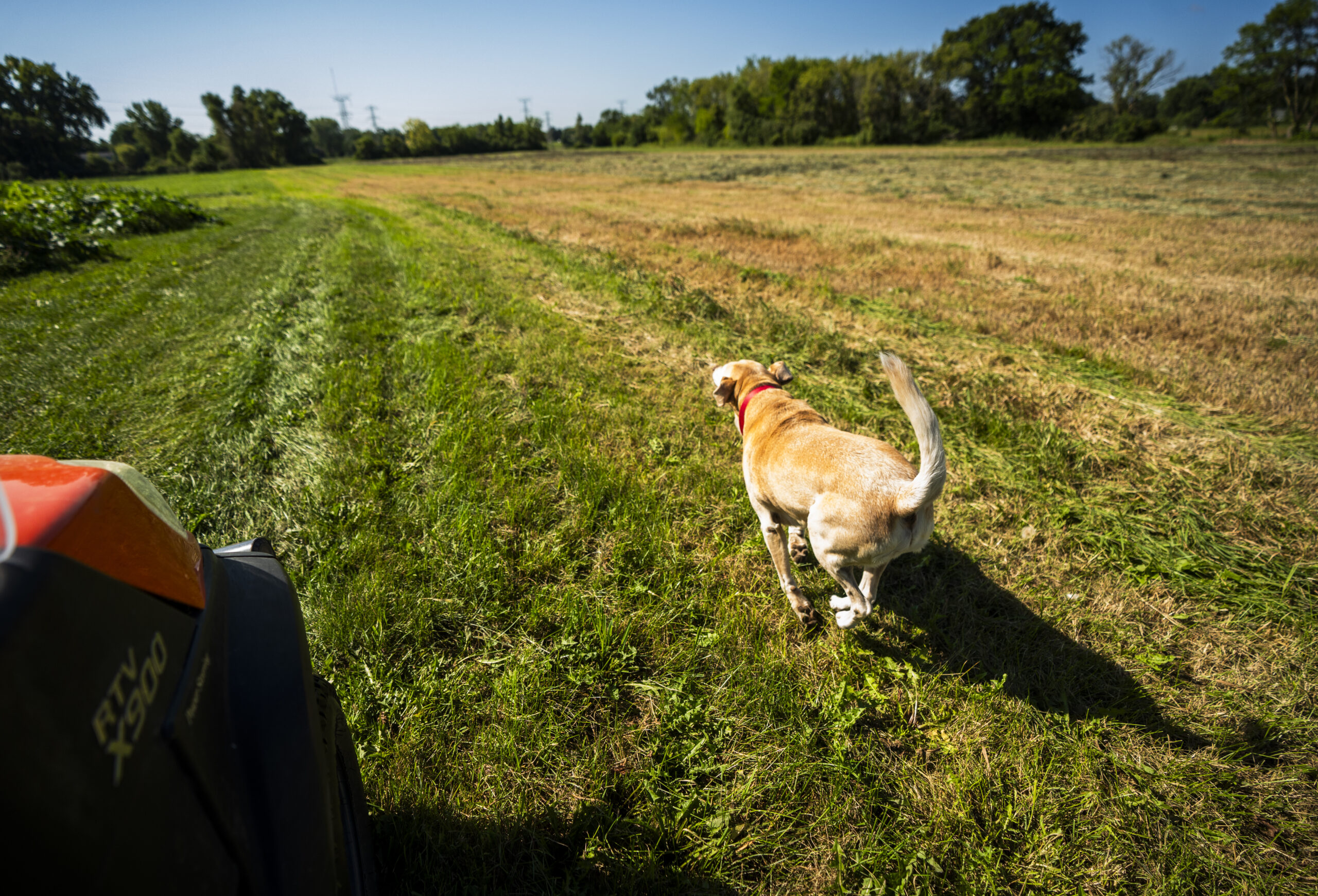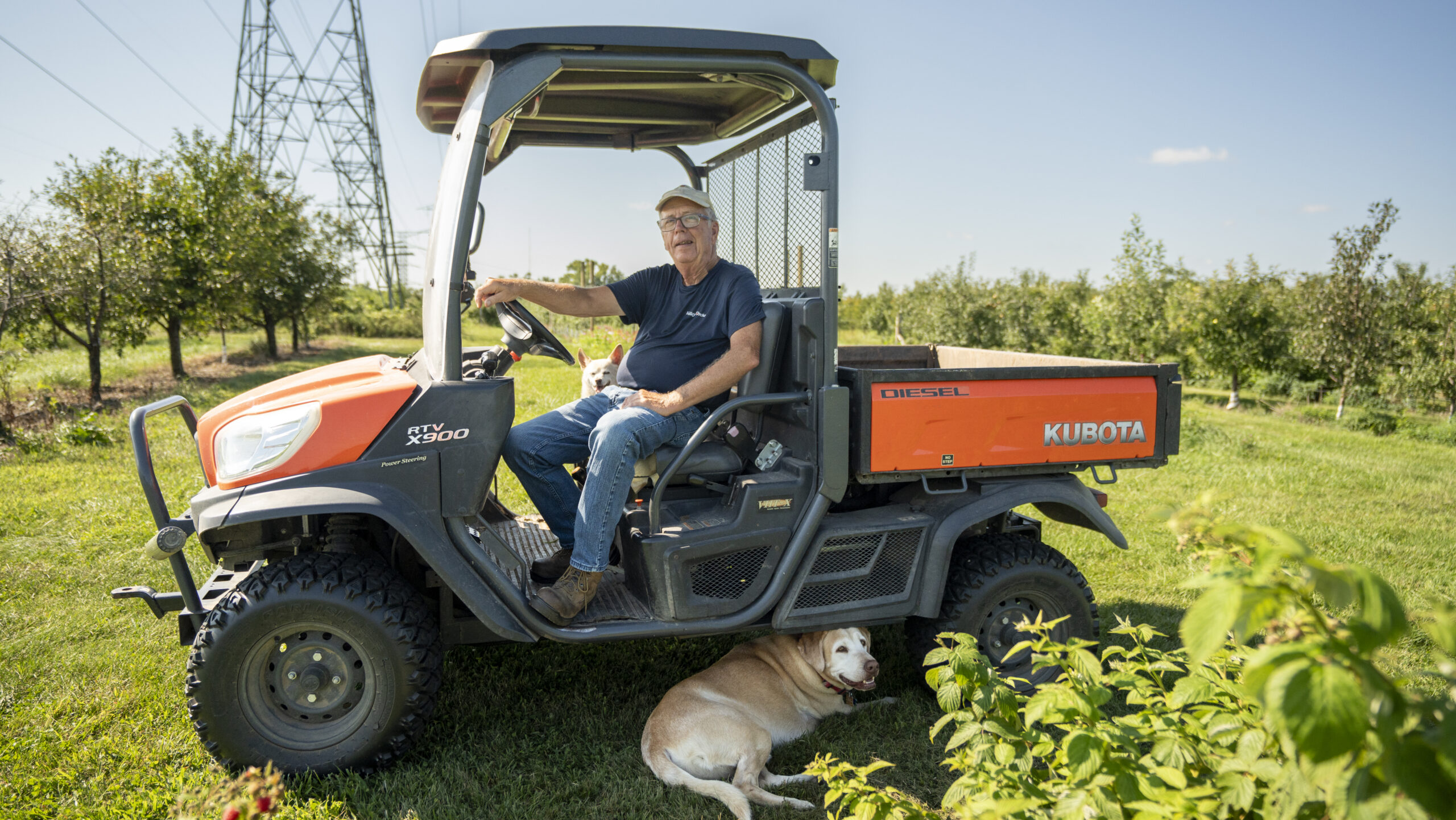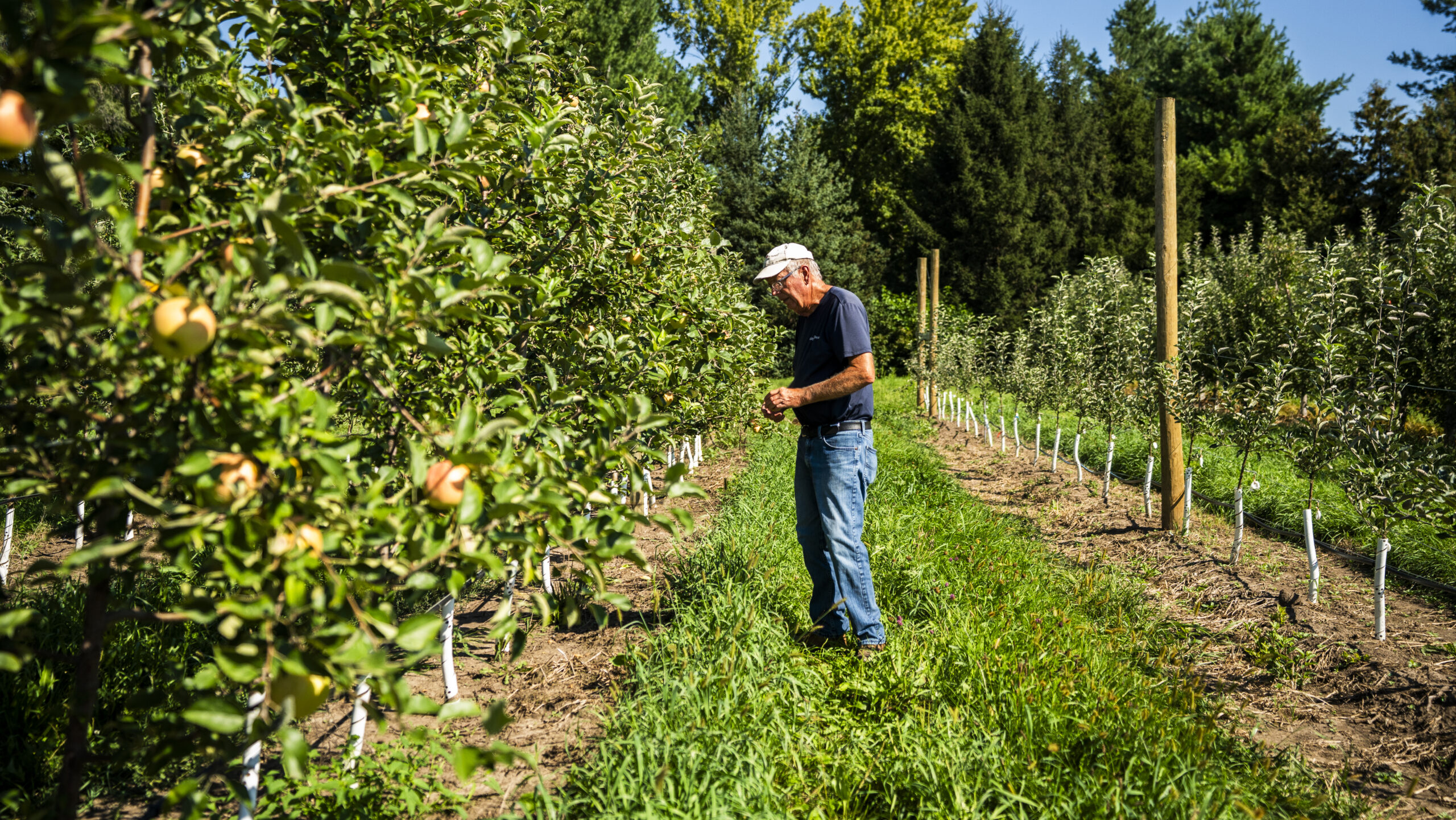
After five decades of growing fruit in the Rockford suburb of Cherry Valley, Raoul Bergersen thought he had seen just about everything Mother Nature could throw at Valley Orchard. Then came the spring of 2026.
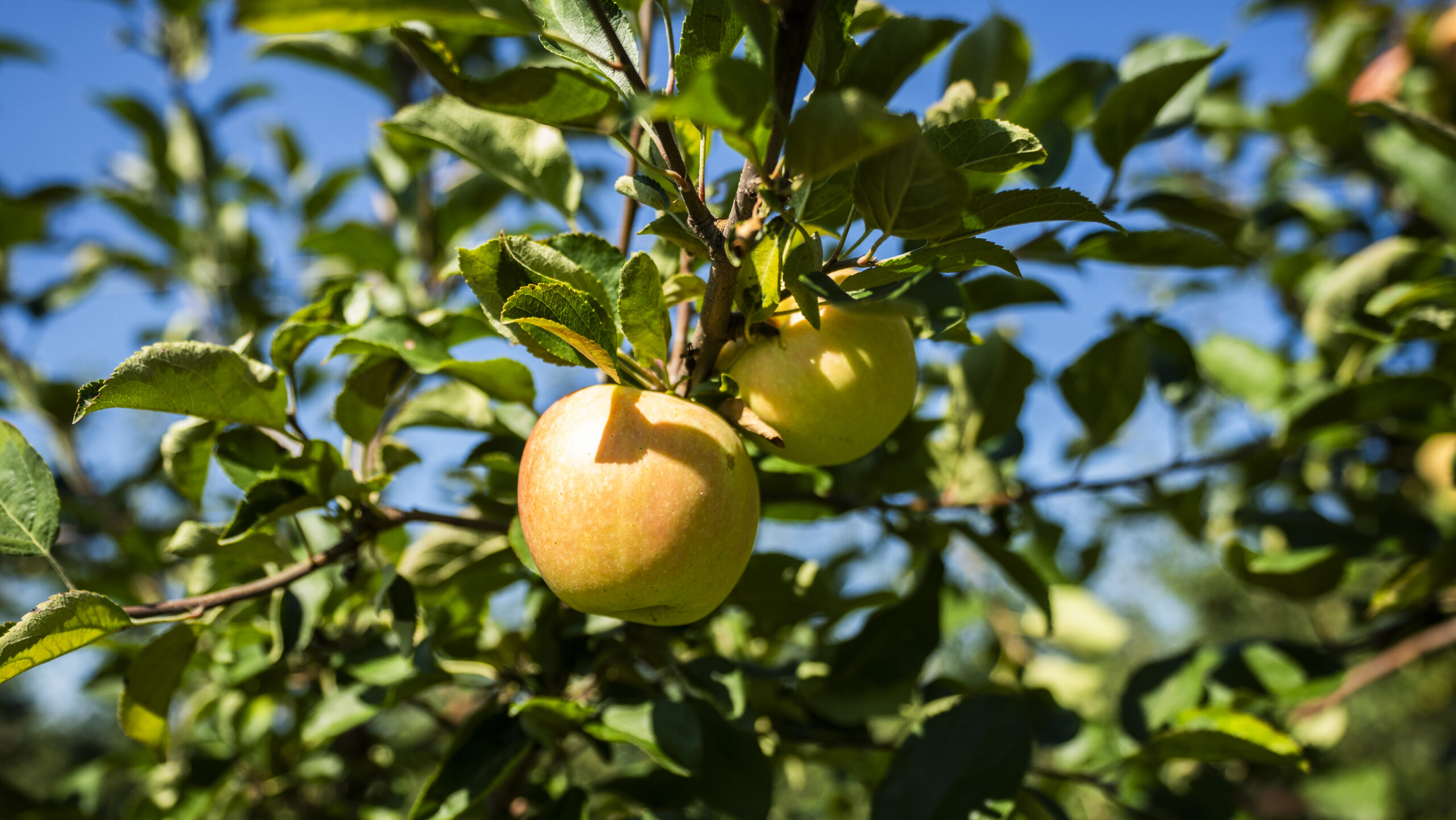
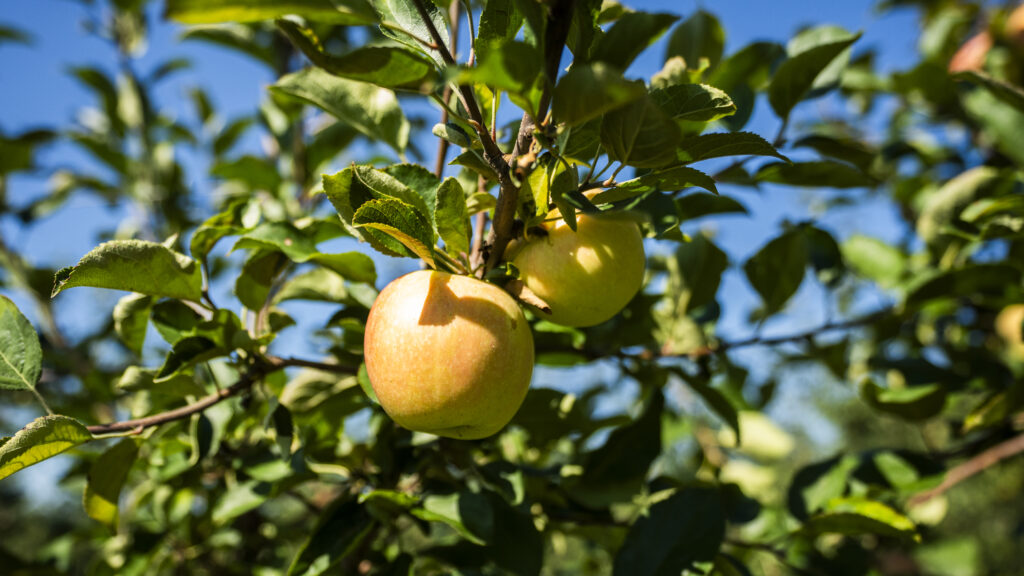
Four freezes in late April and early May wiped out his cherry crop and left behind a very limited apple harvest with two varieties, Rome and Pink Luster, surviving in sufficient quantity to give the orchard something to sell.
For a business owner supposed to be celebrating 50 years in operation, this is a milestone with a wicked twist and extraordinary challenges.
“Tree fruit production depends on a bloom in the spring and a pollination to get fruit. And because of the freezes, the blooms were, for the most part, frozen,” Raoul says with a strong whiff of resolve.
“Sometimes I look back at it, and I wonder how we’ve survived for 50 years,” he says. “But you have to adapt to the conditions that are thrown at you. There’s nothing you can do about the weather.”
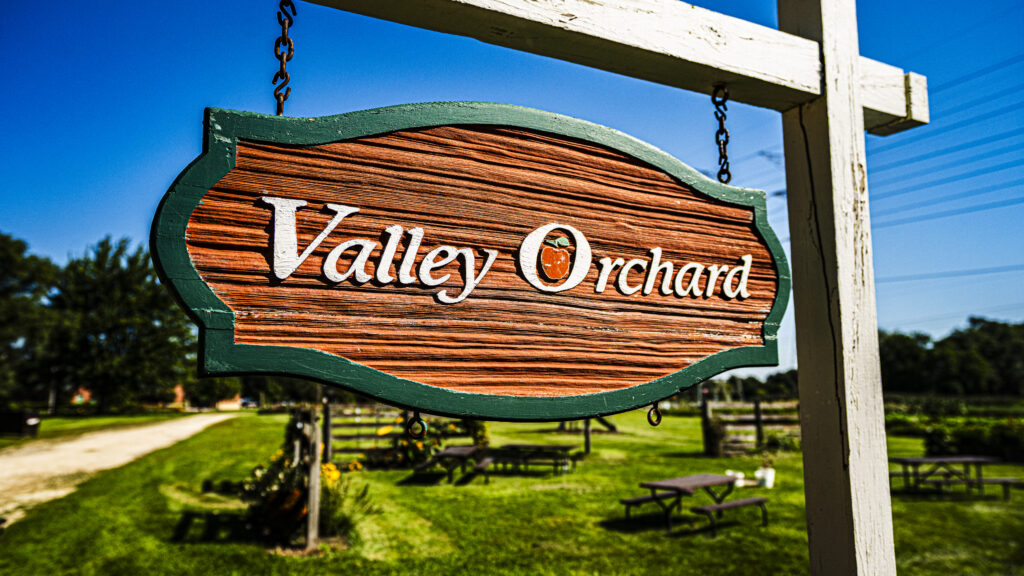
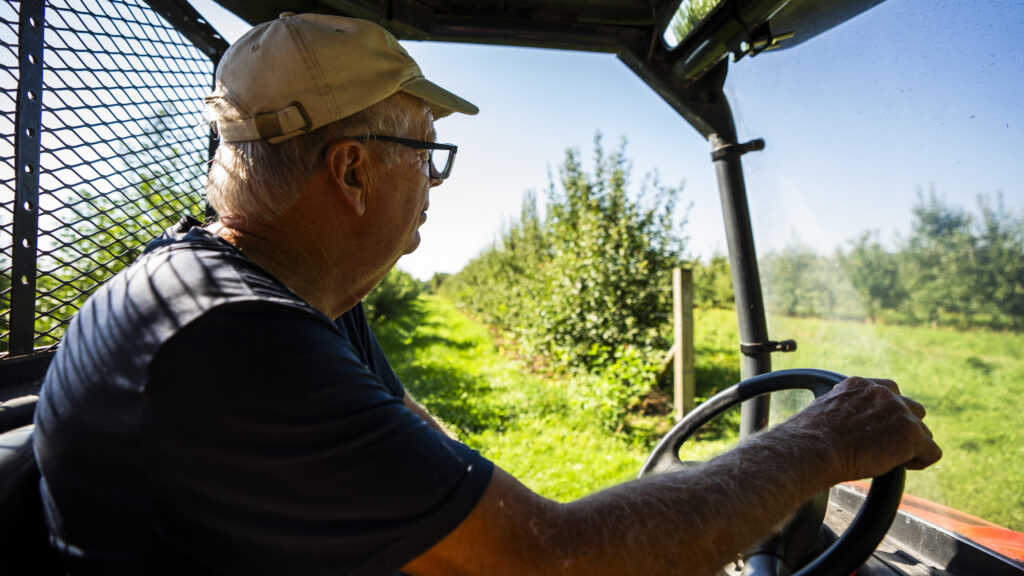
When the crop changes, the plan changes
For a business built around a harvest, a bad crop can create an enormous financial strain.
“Like any agricultural operation, we depend on the crop,” Raoul says. “And if you don’t have it, it puts a strain on the operation.”
So this fall, Valley Orchard is doing something it has done well throughout its half-century history. It is adapting.
“We are doing everything we can to make up for that,” he says. “Exploring other avenues of retail to hopefully make up for some of the loss of the crop.”
That means customers can expect a different experience at the Cherry Valley orchard this season. There will be no traditional pick-your-own apple harvest. Instead, Raoul plans to turn all the limitations into opportunities.
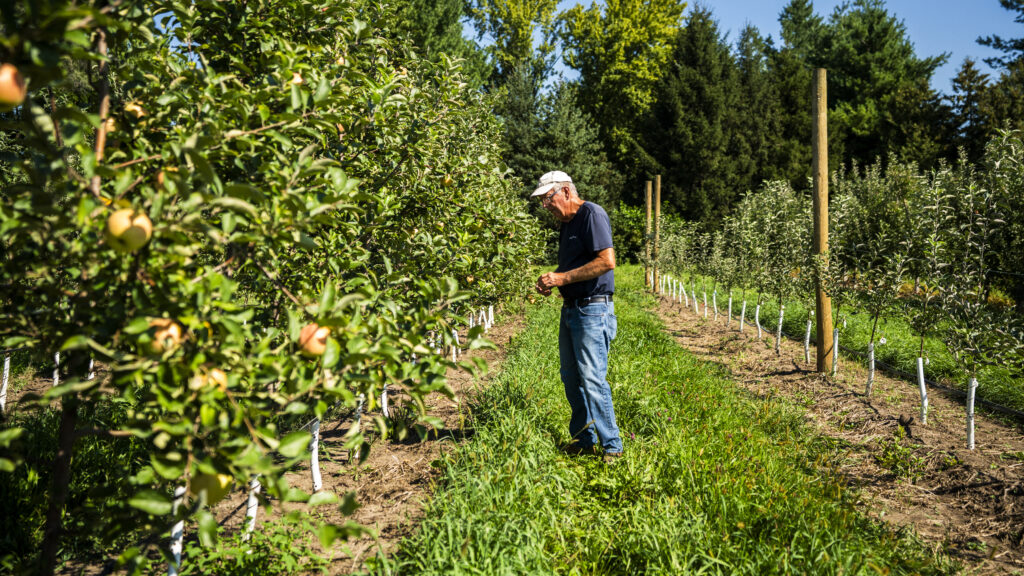
“In a normal year, we can’t allow people to just go through the orchard, and this year we can,” he says.
Instead of simply arriving to pick apples, visitors will have an opportunity to explore more of the orchard itself and get a closer look at the work that goes into producing the crops they enjoy.
“We’re hoping that that experience will be something people enjoy and give them a better idea of actually what we do.”
The orchard is also leaning harder into the crops that survived the difficult spring.
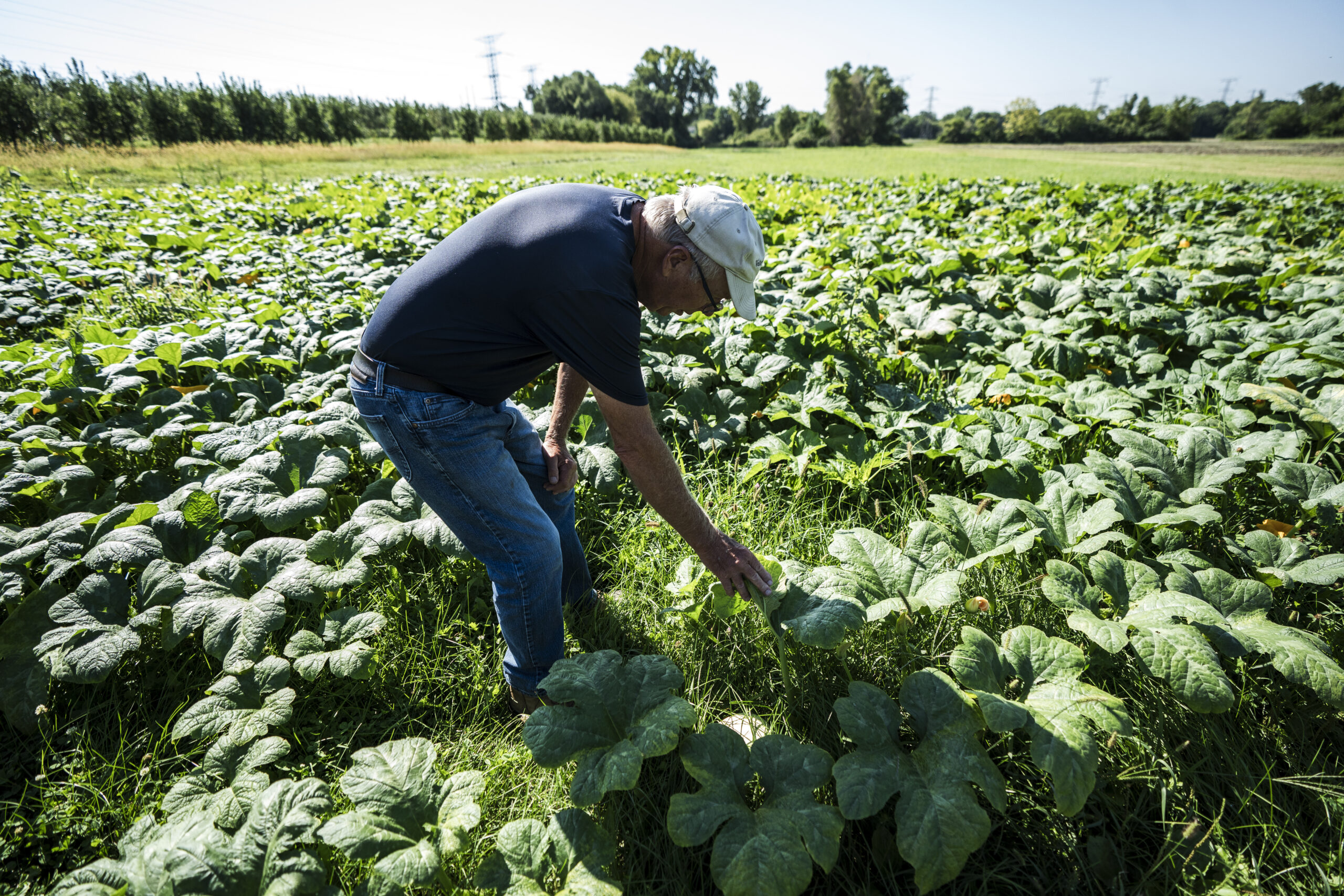
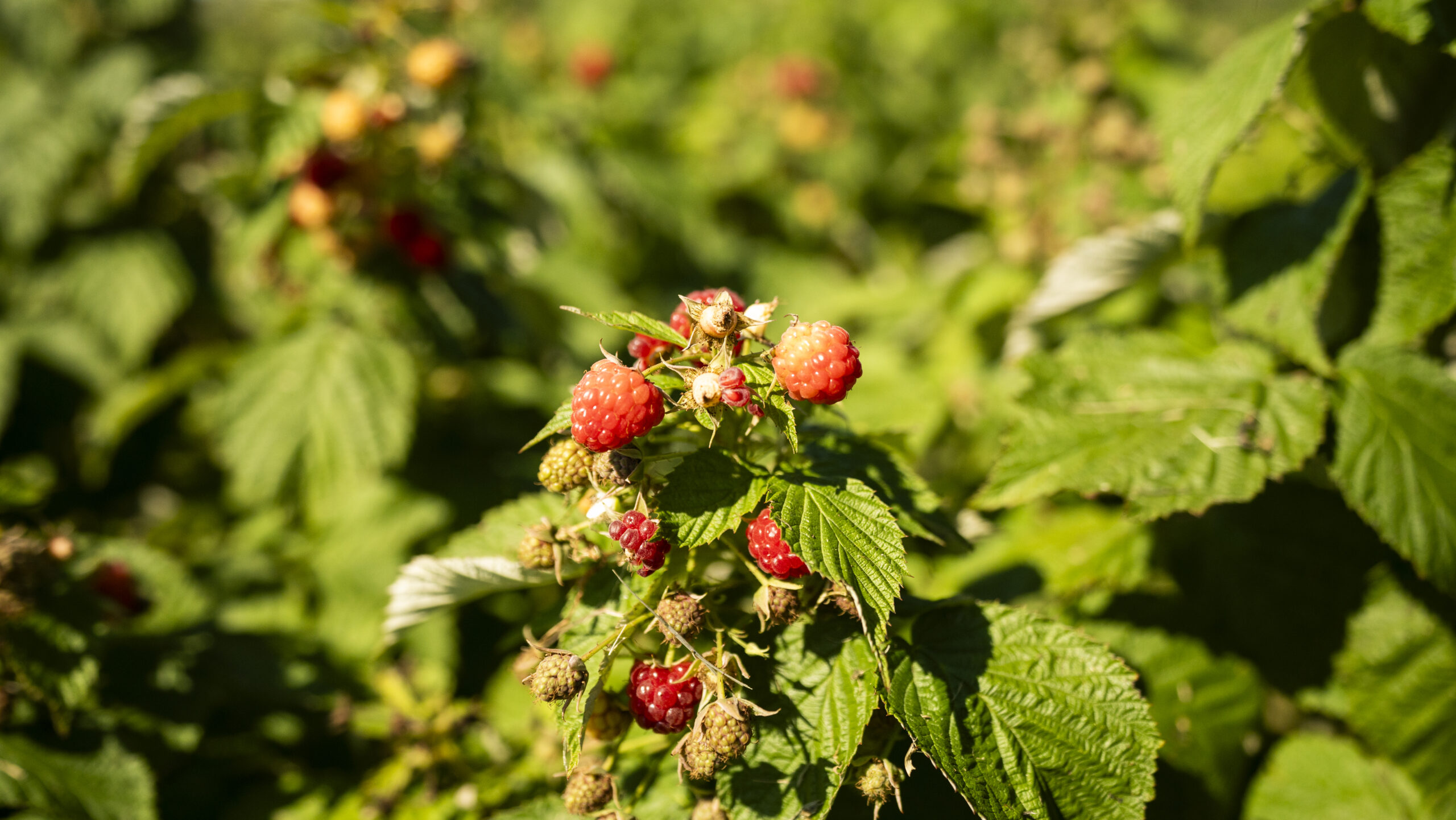
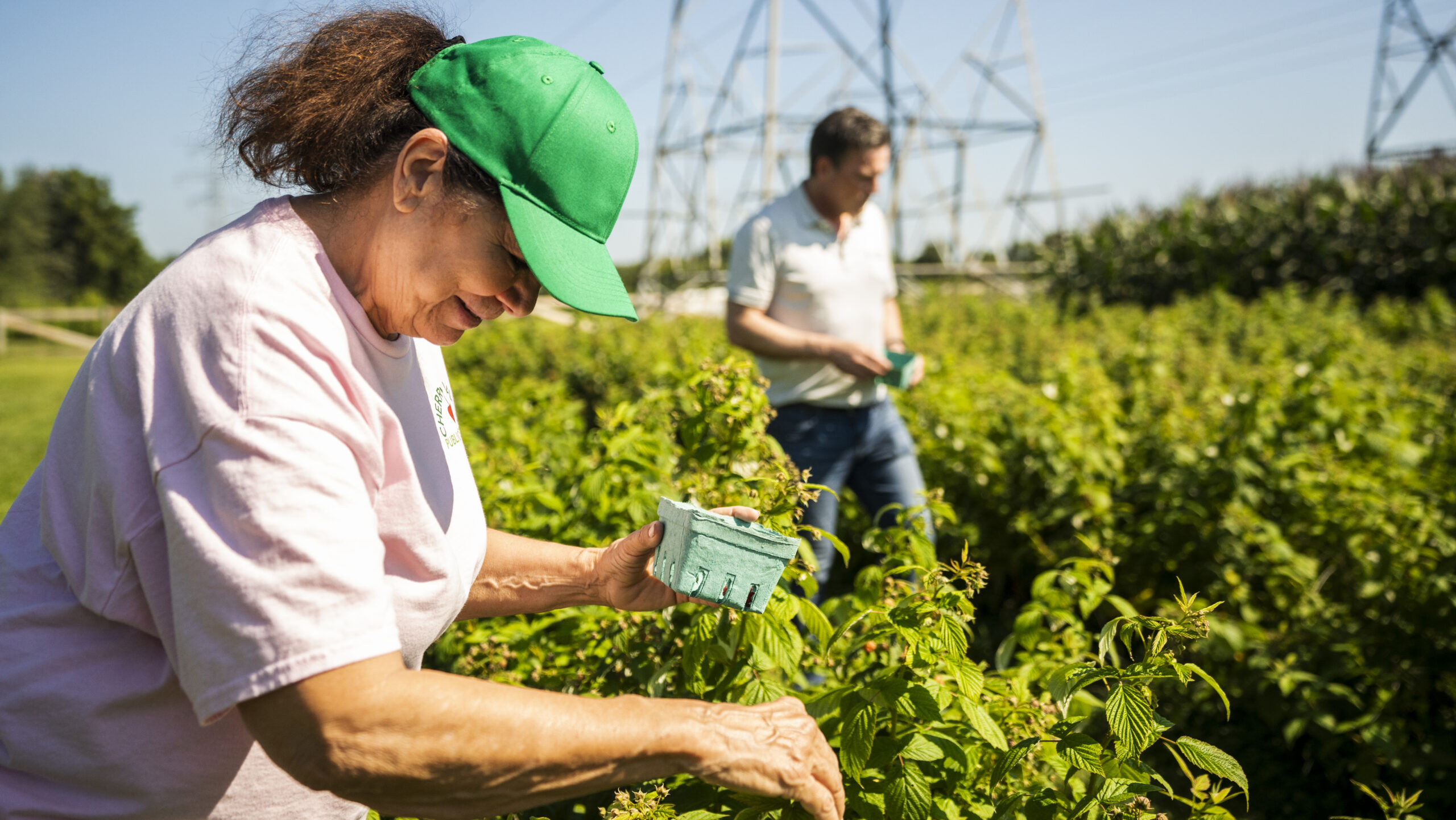
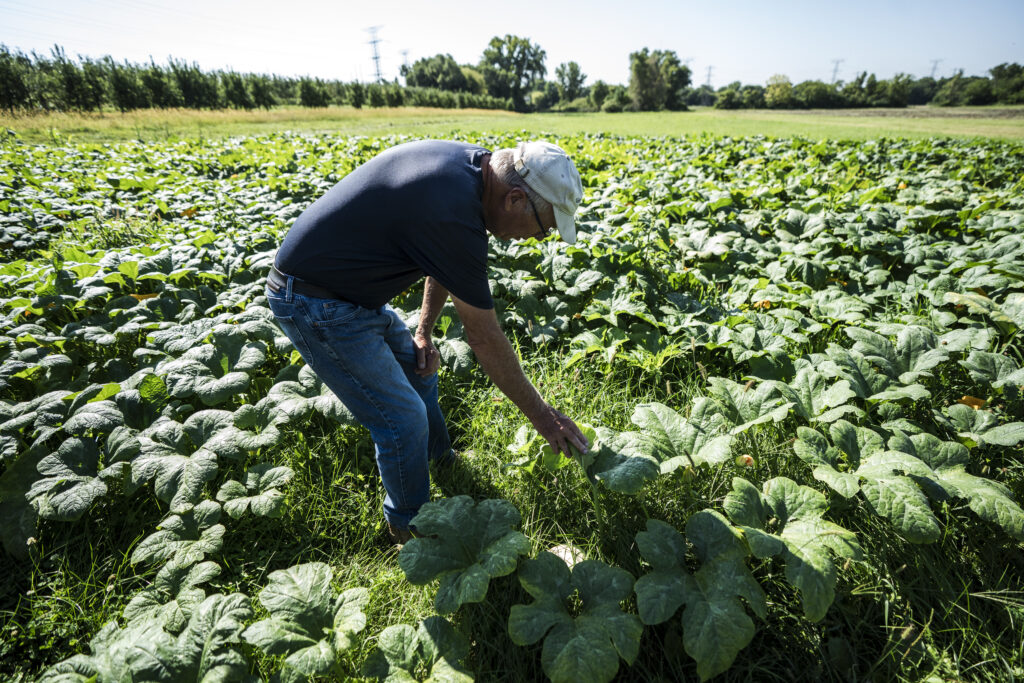
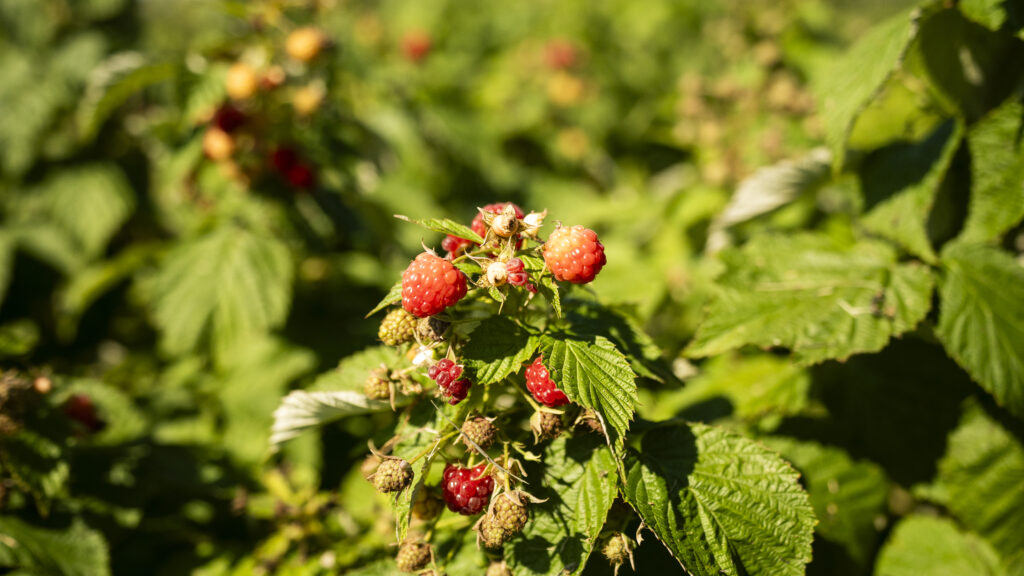
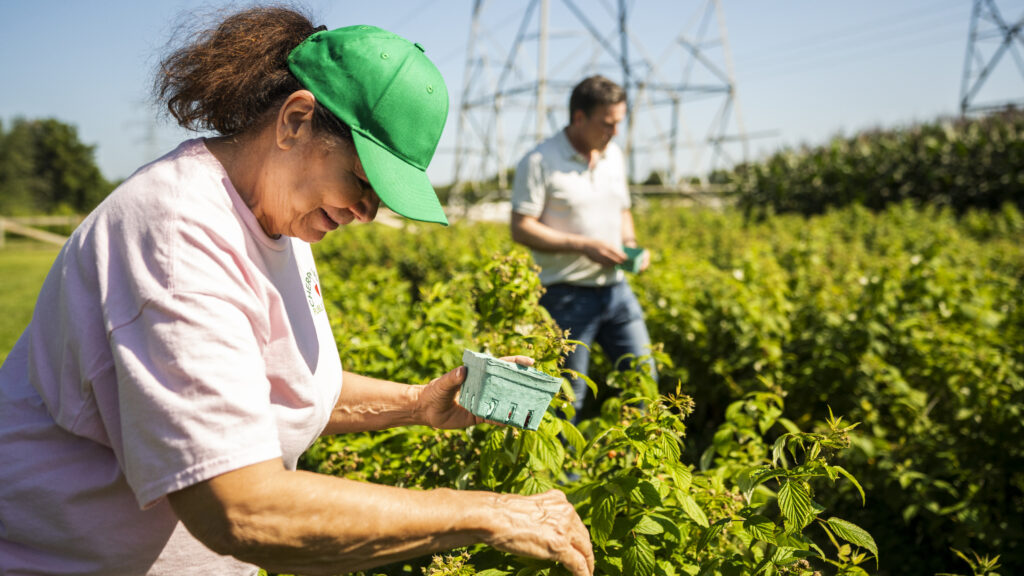
“We have an excellent pumpkin crop this year, which is a good thing,” Raoul says. “And we have an excellent raspberry crop. We grow fall raspberries, so we’re emphasizing that you-pick version of fall raspberries.”
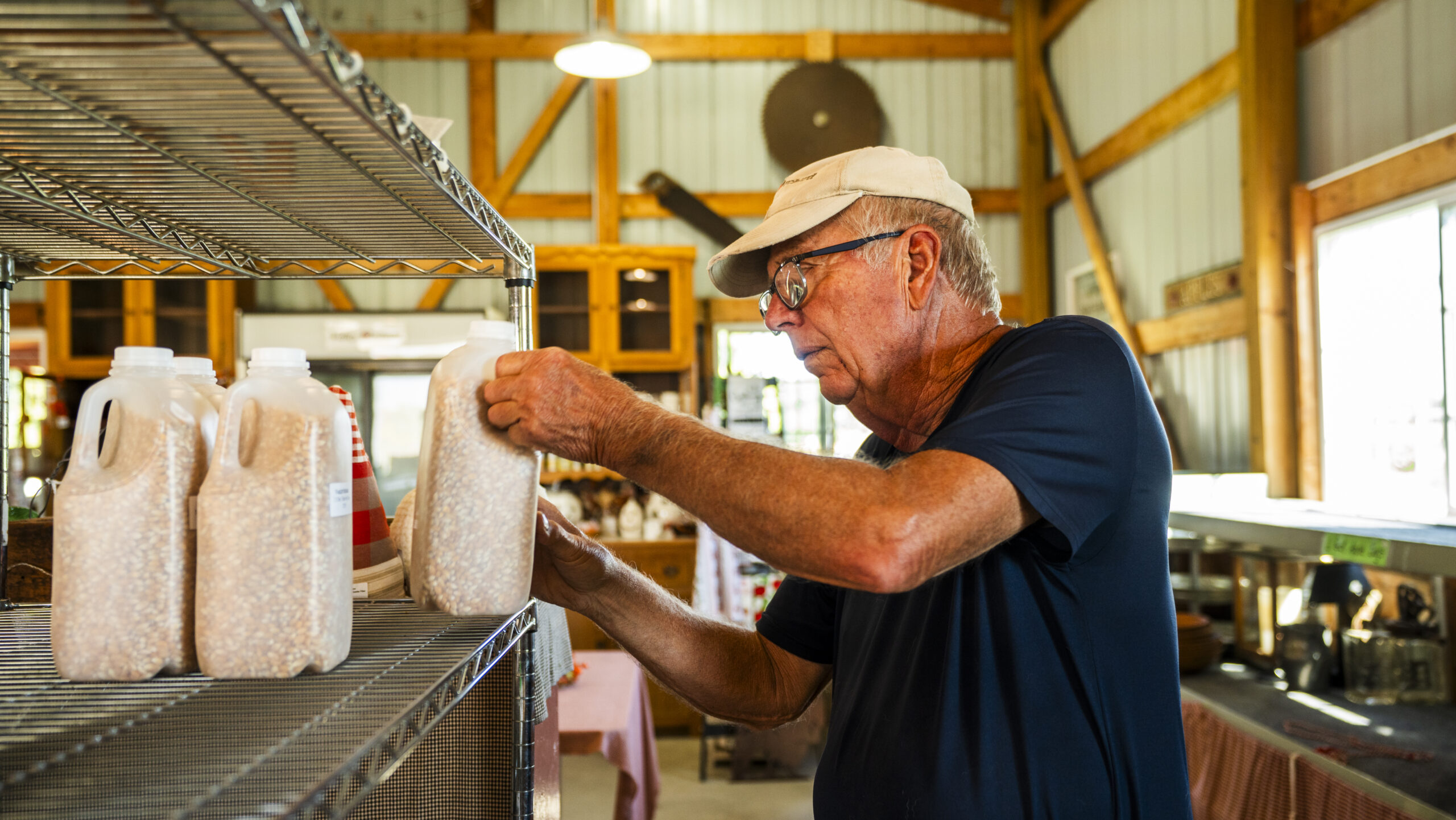
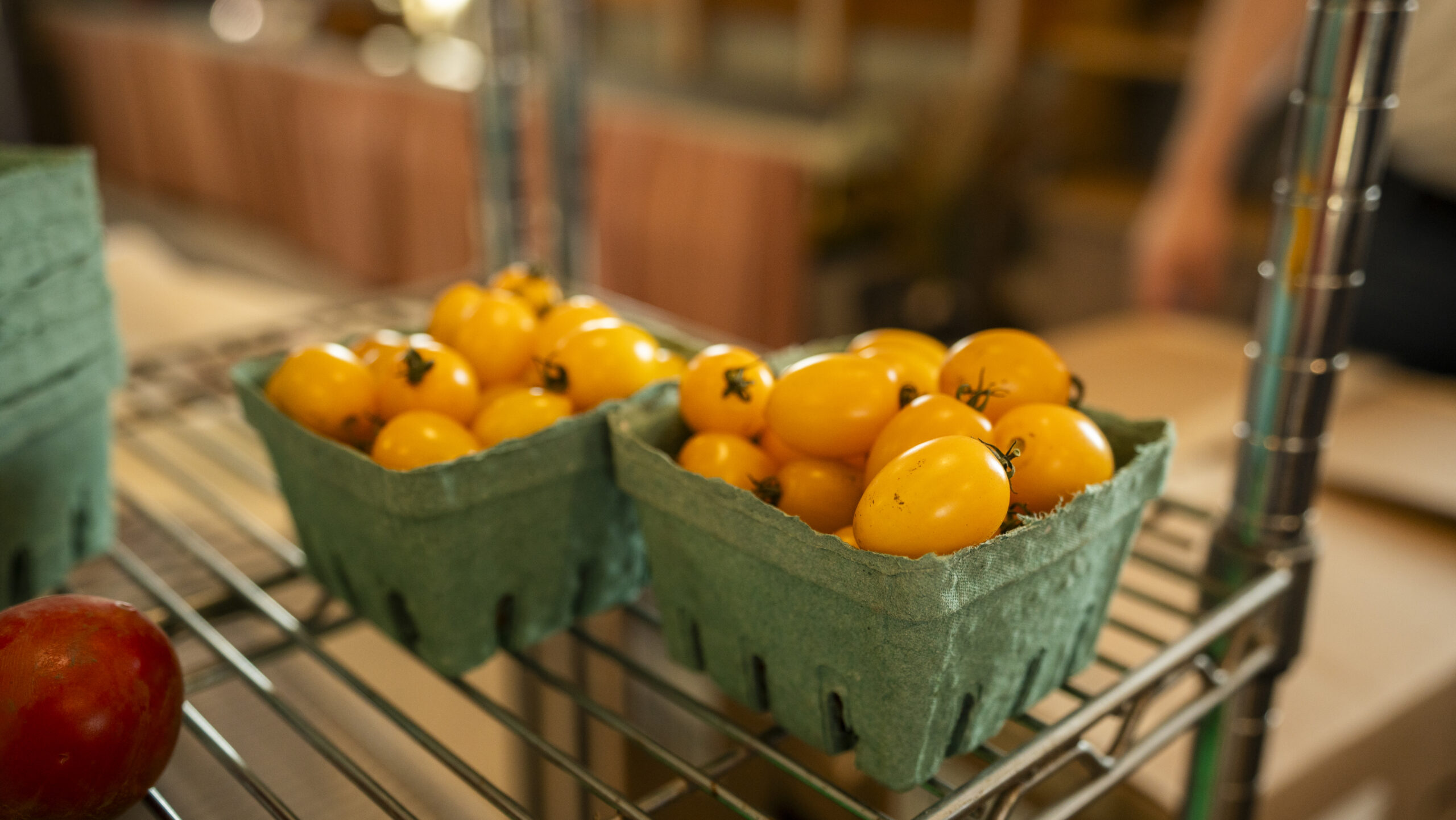
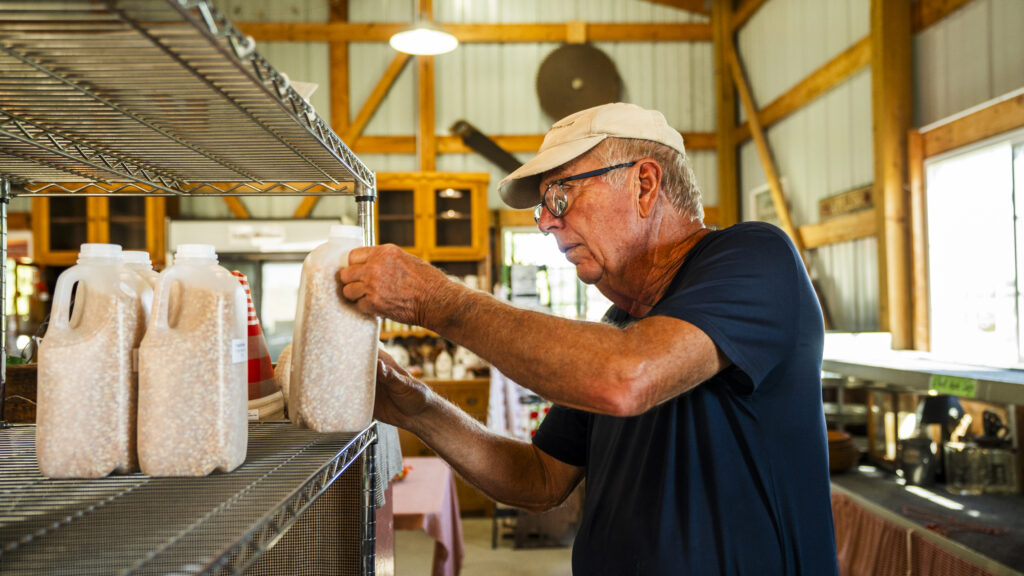
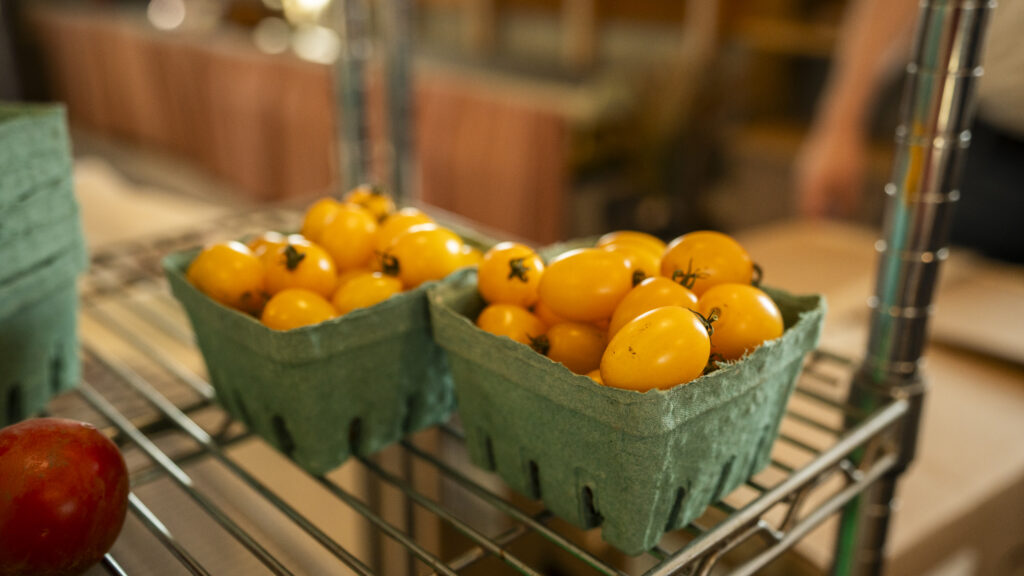
Valley Orchard has always sold jams, jellies, popcorn and other fall items. This year, those products will play an even larger role.
Raoul also plans to put more emphasis on food sales, which is a line of revenue he has not traditionally featured as heavily in the past.
It is a significant pivot, but one that fits the philosophy that has kept Valley Orchard going for half a century.
“Being in the retail business, you have to be very adaptable,” Raoul says.
The apples may not be pretty, but they are still apples
Weather has challenged Valley Orchard before.
Over the years, hail has damaged apples and left Raoul with fruit that did not necessarily look like something customers would expect to find in a grocery store.
That did not mean the apples were unusable.
“Customers are understanding if you’re straightforward and tell them what happened,” he says.
Raoul has stood outside the orchard and explained the situation. He has put up signs telling customers that hail damaged the apples.
“They’re not pretty, but they’re still good apples,” he says. “You can still eat the fruit.
“They understand that we can’t control everything,” Raoul says. “So we try to adapt to whatever Mother Nature throws at us in the fall.”
That ability to be honest, flexible, and creative is part of what makes agriculture retail different from simply selling a product off a shelf.
The product itself can change. The plan can change. Sometimes, an entire harvest can disappear. And yet the business still has to find a way to welcome customers.
A 29-year-old with no idea how to grow apples
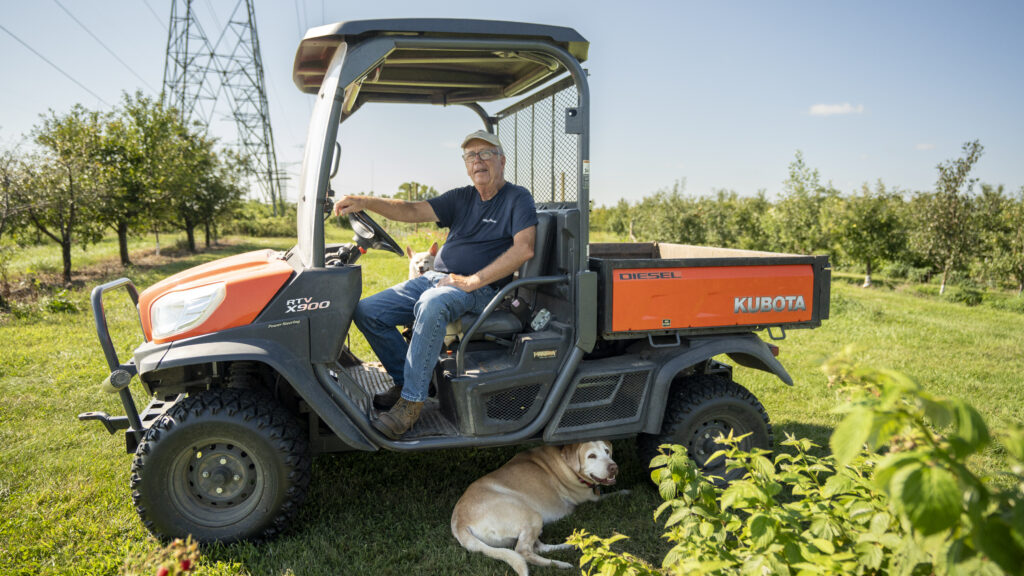
Raoul’s journey into farming did not begin with a family plan to become one of the longest-running orchard operators in northern Illinois.
As a child, he spent plenty of time around agriculture. His parents had friends who operated a dairy farm in Minnesota, and Raoul loved being there. Later in life, while serving in the military, he would return home on leave and help plow.
“I just loved every minute of it.”
Still, he never seriously considered becoming a farmer until he visited a small orchard with his wife.
“We looked at each other and said, ‘You know, maybe we should try this,’” Raoul recalls.
He was 29-years-old and knew virtually nothing about growing apples.
“I was like, ‘Okay, I’ll try it,’” he says, “knowing nothing, absolutely nothing about growing apples.”
They started anyway, and somehow, that leap of faith turned into five decades.
From pastures and fences to 5,000 apple trees
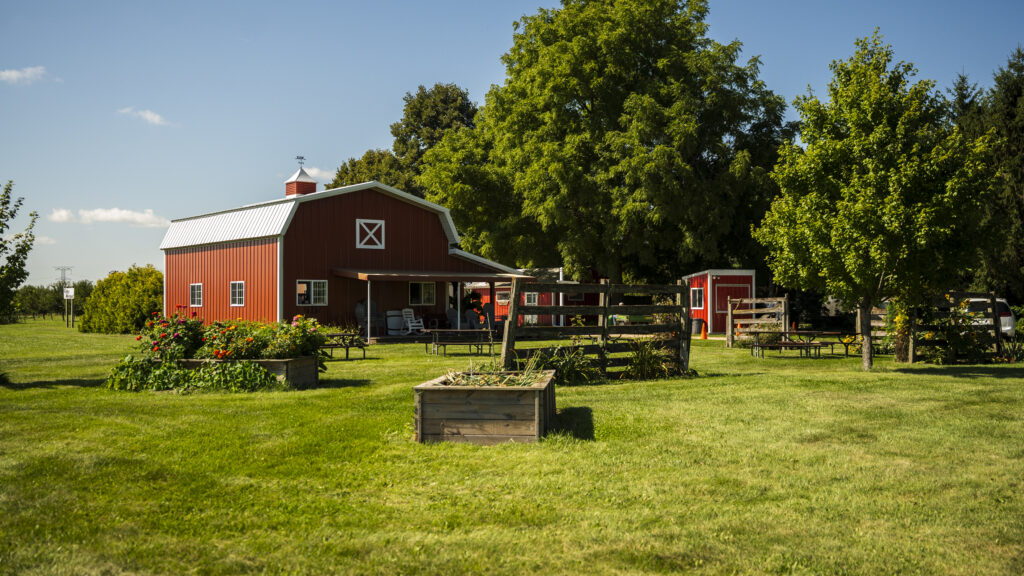
When Raoul and his wife took possession of what would become Valley Orchard, it looked nothing like it does today.
“It was a series of pastures and fences,” he says.
The work began immediately. They spent the first fall clearing fences and preparing the land. The following spring, in 1977, they planted 1,800 apple trees.
Raoul readily admits he needed help.
“Basically, I owe our very existence to the University of Illinois Extension Service,” he says.
The local extension agent visited the young orchard, offered guidance, and gave Raoul the kind of practical advice a first-time farmer desperately needed.
“He was kind enough not to laugh at us for trying something like this,” Raoul says. “With their help, we survived.”
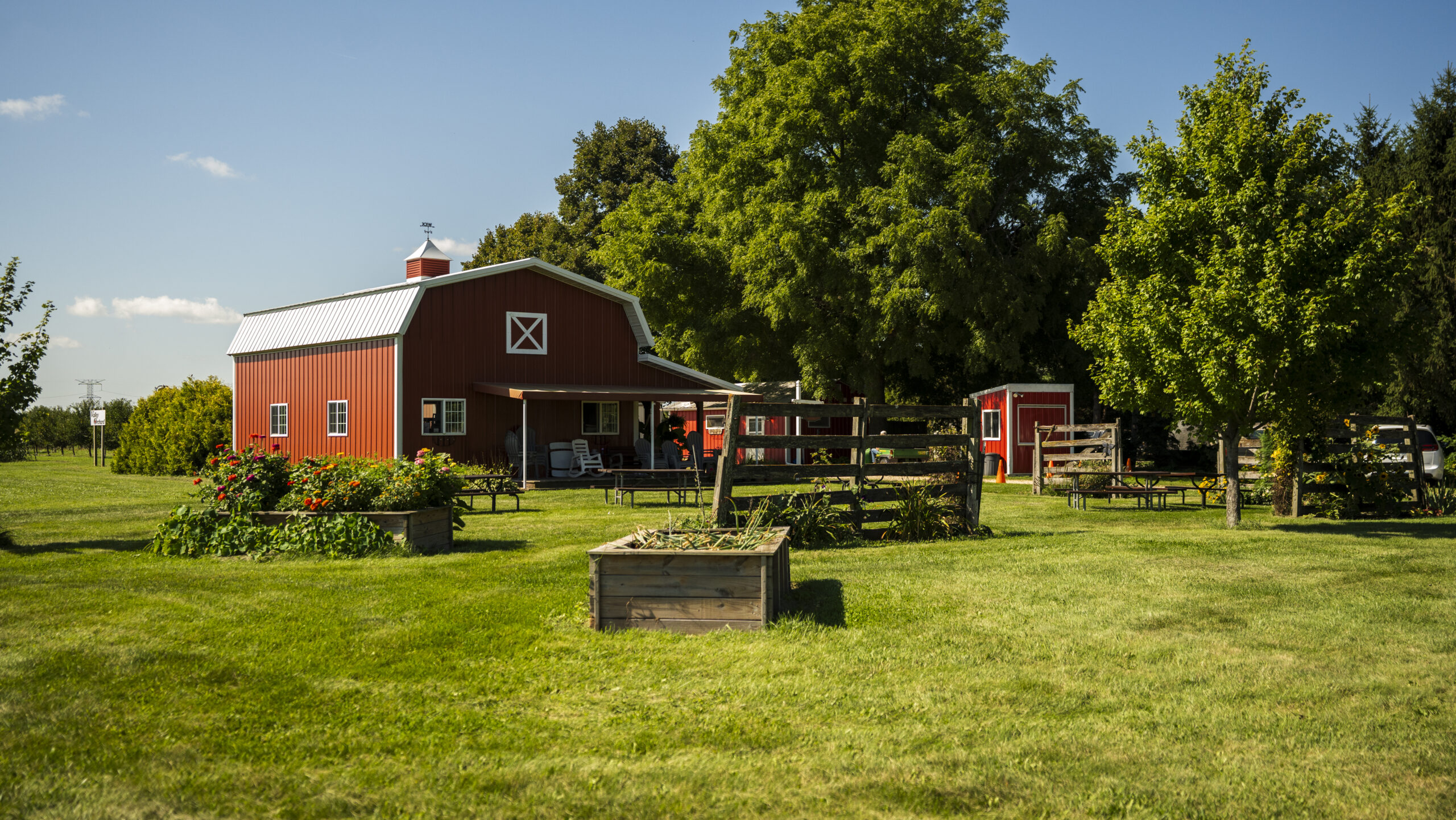
Today, Valley Orchard spans 35 acres and has approximately 5-thousand apple trees, along with other crops that help bring customers to Cherry Valley throughout the growing season.
But growing apples and building a successful retail business turned out to be two very different challenges.
When the grocery store changed the game
For the initial two decades of operation, the business model at Valley Orchard was relatively straightforward.
Raoul grew the apples. A local grocery chain bought most of them. Then the grocery chain changed hands.
Suddenly, Valley Orchard faced a decision that would reshape the future of the farm.
“For the first 20 years of this farm, we sold most of our crop to a local grocery chain,” Raoul says. “When they were bought out or changed hands, we were forced to either find another market for our apples or to try to sell them retail.”
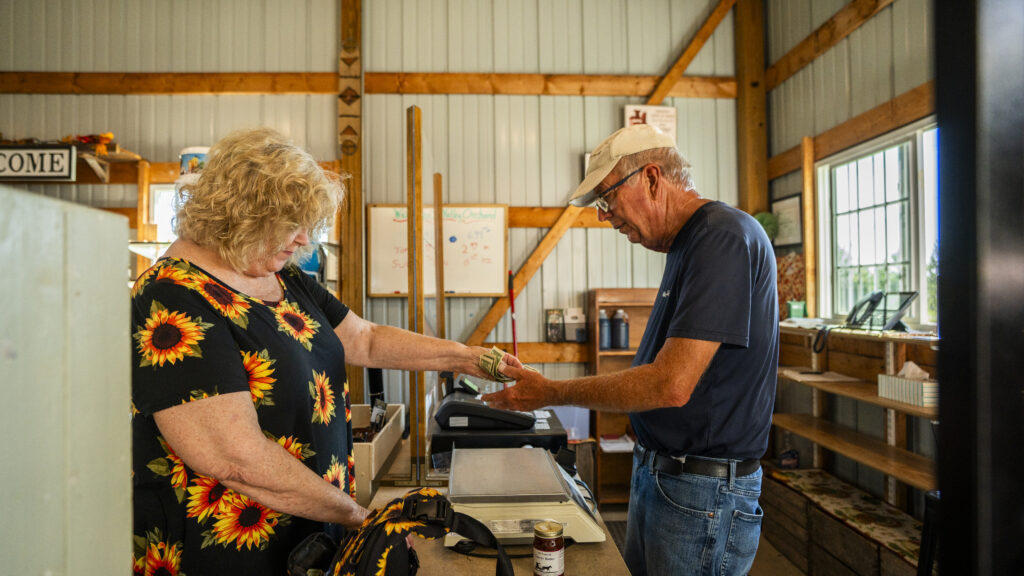
They chose retail. That decision changed everything. Instead of simply growing apples for someone else to sell, Raoul and his family began building a direct relationship with customers.
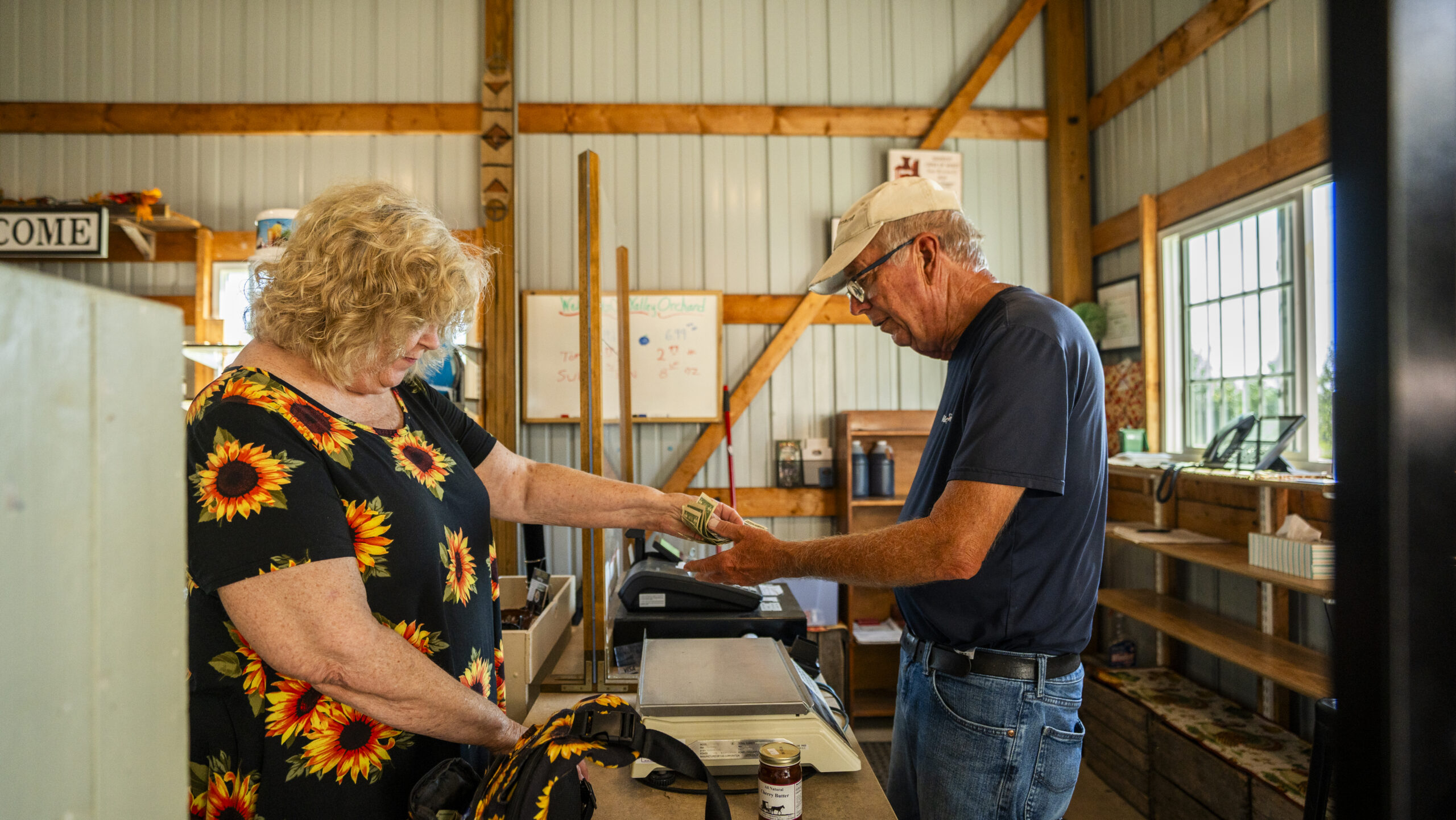
People could come to the orchard. They could see where their food was grown. They could pick apples and other crops. They could buy products from the farm store and turn a shopping trip into an experience.
For Raoul, that experience is one of the things that makes farming so rewarding.
“It gives you a sense of accomplishment,” he says, “to actually produce something that people can enjoy and enjoy the experience of coming out to an orchard.”
Fifty years of taking a chance
Raoul does not sugarcoat the difficulty of the current season. But quitting is not part of his plan.
“We know going in this is a tough year. It’s been a tough year,” he says.
“We’re not going to give up. I can’t. I’ve done this so long. It’s just part of my life.”
There is a certain acceptance that comes with being a farmer.
“You’re a gambler,” Raoul says. “We’re gambling every year no matter what.”
Every spring brings uncertainty. Every bloom carries the possibility of a crop, and every unexpected freeze, storm, or stretch of bad weather can change everything.
But Raoul is looking beyond this season.
“This is just a setback,” he says. “We’ll be back next year.”
The next chapter is already growing
For Raoul, the story of Valley Orchard has never been just about one harvest. It is about what happens after the harvest. It is about what happens after the hailstorm.
And this year, it is about what happens after four freezes threaten nearly everything the orchard was counting on.
And the story is not ending with Raoul.
His sons are part of the future of the farm and will continue the family legacy, carrying forward the work that began when a 29-year-old man and his wife visited a small orchard and decided, almost on a whim, to give farming a try.
One son is deeply involved in the orchard, while the other is becoming increasingly involved in the bakery and store. Together with Raoul’s wife, who has managed the gift portion of the business for as long as the family has operated Valley Orchard, the family keeps the place going.
Raoul hopes his sons will one day carry the legacy forward.
“This was my dream. This was my purpose, I guess you could call it. And I hope that they continue with it.”
For Raoul, their involvement is not simply important for the future of Valley Orchard. It is essential to its present.
“If they were not involved, I wouldn’t continue. I’m not a kid anymore. And without them, I couldn’t operate today without my sons.”
While shucking a piece of sweet corn, Raoul stared across his fields on a sun-kissed, late summer day as gauzy clouds gently drifted through the sky and let himself wonder about how he made it this far over fifty years. But he already knew the answer.
You adapt.
You change the plan.
You find something else to grow.
And when Mother Nature gives you the kind of year that tests everything you have built, you take a deep breath, open the gates, and get ready to try again next season.